




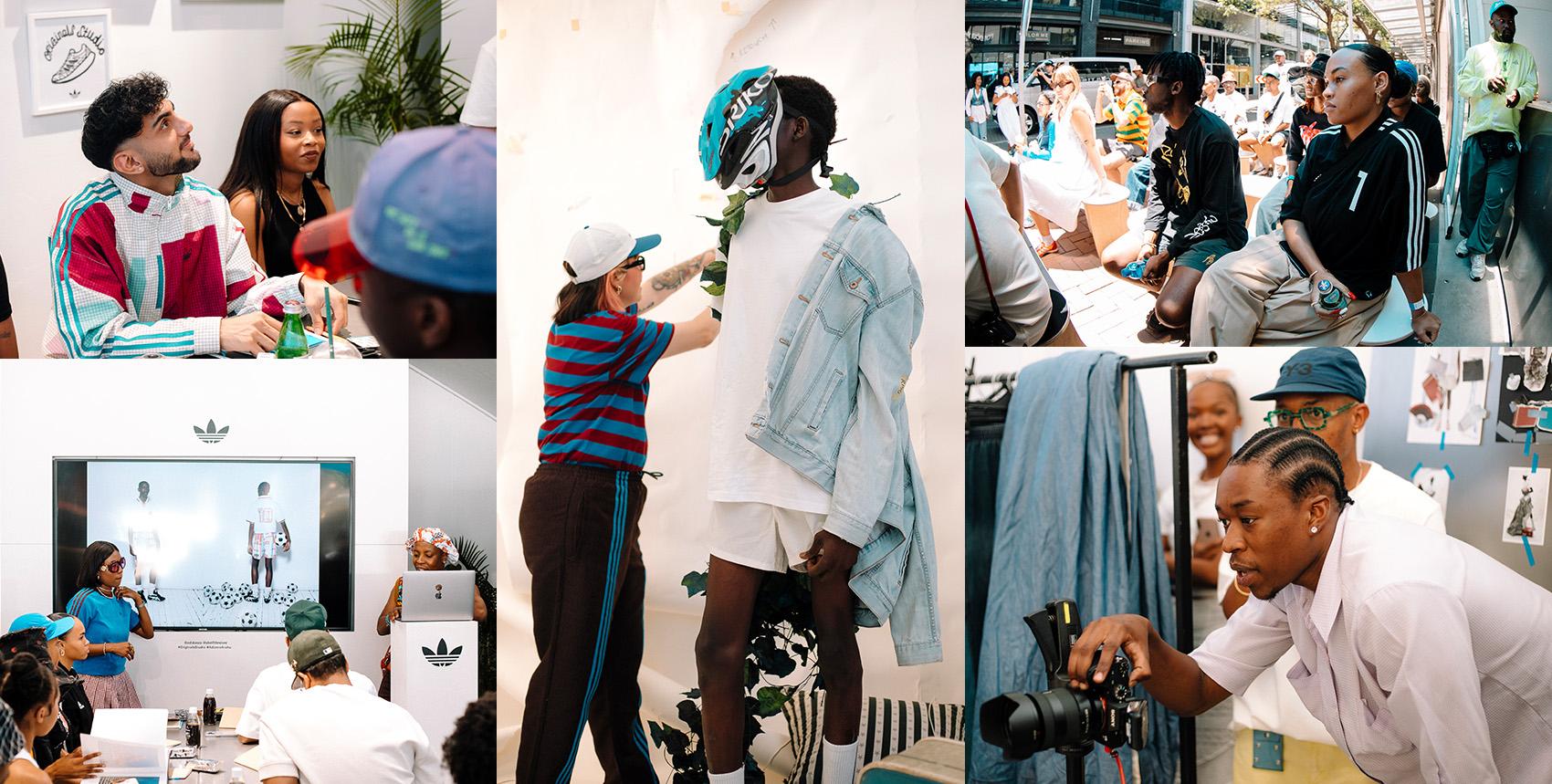
“Soweto Fashion Week’s Spring/Summer 2026 showcase highlighted emerging South African designers, student collections and established creative brands, bringing contemporary local fashion into the spotlight. The event also featured street-inspired collections and hip-hop influences, demonstrating how South African designers continue to combine urban culture, individuality and original design.”
Soweto Fashion Week Highlights South African Streetwear, Emerging Designers and Urban Creative Culture
South African fashion continues to demonstrate its creative strength as Soweto Fashion Week’s Spring/Summer 2026 showcase brings emerging designers, established labels and street-inspired aesthetics into the national fashion conversation. The event, which took place from 5 to 7 November 2026 at Soweto Theatre, celebrated local creativity while providing a platform for designers to present original collections and connect with audiences.
The showcase represents an important opportunity for South African fashion businesses to demonstrate how contemporary clothing can reflect cultural identity, individual expression and changing consumer preferences. In particular, streetwear remains an influential component of the country’s fashion landscape, connecting everyday clothing with music, youth culture, urban experiences and creative entrepreneurship.
Soweto Fashion Week Creates Opportunities for Emerging Designers
Soweto Fashion Week has developed into a platform for designers seeking to introduce their work to wider audiences. Its Spring/Summer 2026 edition continued that tradition by bringing student designers, emerging fashion entrepreneurs and established creative businesses together.
According to Time Out Johannesburg’s report published on 9 November, the showcase included collections from Tshwane University of Technology and the University of Johannesburg. Each institution presented approximately 30 looks during the second day, demonstrating the contribution of fashion education to South Africa’s developing creative industry.
The collections included expressive silhouettes, structured tops and contemporary trousers, highlighting the variety of approaches emerging designers are taking towards modern fashion.
Fashion students benefit from opportunities to display their work in professional environments. Runway exposure can help them develop confidence, receive feedback and establish relationships with people working in the industry. Furthermore, showcasing collections allows designers to communicate their creative identities beyond classroom projects.
For South Africa’s fashion sector, supporting emerging designers is essential to maintaining a pipeline of new talent. Young creatives bring fresh perspectives, experiment with materials and challenge established expectations about how clothing should look and function.
Streetwear Connects Fashion With Music and Urban Identity
Streetwear’s influence on South African fashion is closely connected to music, everyday experiences and the cultural environments in which designers develop their ideas.
The Soweto Fashion Week showcase illustrated these connections through collections that incorporated contemporary street-inspired aesthetics. One of the highlights was Originally Kasified, whose presentation brought hip-hop influences and energetic styling to the runway.
The collection’s appearance reflected the continuing relationship between streetwear and musical culture. Clothing can communicate belonging, personal identity and creative confidence without requiring formal fashion conventions.
Streetwear also offers designers opportunities to reinterpret familiar garments. T-shirts, denim, caps, jackets and trousers can become distinctive through graphics, proportions, colour combinations and construction techniques.
In South Africa, these possibilities allow designers to incorporate township influences, local languages, contemporary music and everyday experiences into clothing. As a result, streetwear can function both as a commercial fashion category and as a form of cultural storytelling.
Established Designers Continue Developing Their Creative Identities
Although emerging talent was central to the showcase, established designers also contributed to its broader fashion narrative.
Luthando Mbobo of Mbobo Movement returned to Soweto Fashion Week with new patchwork and denim designs. His participation demonstrated how designers can continue developing their creative identities while expanding their collections and exploring different markets.
The designer explained that the period following his previous appearance had brought important developments for his business, including recognition through a South Africa Fashion Awards nomination and participation in children’s fashion.
These developments demonstrate the potential for designers to grow beyond a single collection or runway appearance. Fashion businesses can expand into new product categories, collaborate with other creative industries and reach additional audiences as their experience increases.
Denim and patchwork also remain relevant to streetwear because they allow designers to combine familiar materials with distinctive construction and visual storytelling.
For independent labels, maintaining a recognizable identity while introducing new ideas can be particularly important. Consumers often develop relationships with brands because of their distinctive designs, values and creative direction.
Young Designers Demonstrate the Importance of Early Support
The showcase also highlighted the contribution of young designers and creative entrepreneurs.
Eighteen-year-old Enhle Mbatha presented a children’s collection through Enhle Babes. Her journey illustrates how fashion interests can develop through personal experimentation, community encouragement and practical experience.
According to the Time Out report, Mbatha began sewing clothes for dolls before progressing to creating garments for herself and other children in her neighbourhood.
Her experience reflects the importance of accessible opportunities for young people interested in fashion. Early encouragement can help emerging designers develop technical skills, understand customer preferences and build confidence in their abilities.
Children’s fashion also represents an opportunity for designers to explore different colours, shapes and styling approaches. The category requires creativity while considering comfort, practicality and the needs of younger consumers.
Supporting young designers can therefore contribute to the long-term development of South African fashion, particularly when opportunities include training, mentorship and exposure to professional production processes.
Streetwear Businesses Need More Than Creative Ideas
While runway showcases generate attention, sustainable fashion businesses also depend on practical commercial skills.
Independent streetwear designers must understand garment production, sourcing, pricing, inventory management and customer communication. They also need to consider how their products will reach consumers through online stores, physical retail, events or social media.
For many emerging businesses, production costs can present significant challenges. Small manufacturing quantities may increase the cost of individual garments, while larger production runs require capital and create inventory risks.
Designers must therefore balance creativity with financial planning. A visually appealing collection needs a realistic production strategy and pricing structure if it is to become commercially sustainable.
Fashion showcases can help designers build visibility, but the next stage involves converting audience interest into purchases, repeat customers and long-term brand relationships.
Fashion Shows Strengthen Local Creative Communities
Soweto Fashion Week also demonstrates how fashion events can support broader creative communities.
Designers, models, photographers, stylists, makeup artists, production teams and event organisers contribute to the successful presentation of collections. These activities create opportunities for collaboration and professional development across several creative industries.
Fashion events also attract audiences interested in discovering new designers and experiencing contemporary clothing in a shared environment.
For streetwear businesses, these connections can be especially valuable because the category frequently intersects with music, entertainment, photography, art and digital content.
A designer may collaborate with a musician on a collection, work with a photographer to produce campaign imagery or partner with a local retailer to introduce products to customers.
Such relationships can expand a brand’s reach while helping different creative professionals develop their portfolios and businesses.
Digital Platforms Expand Fashion Discovery
Social media and digital platforms continue to influence how consumers discover streetwear.
Designers can use photographs, videos and behind-the-scenes content to communicate their creative processes, introduce collections and engage audiences beyond runway events.
Online platforms also allow consumers to follow emerging labels without necessarily attending fashion shows in person.
However, digital visibility must be supported by accurate product information, consistent communication and reliable customer service. Consumers need clear details about sizing, materials, prices, availability and delivery arrangements before purchasing clothing.
For designers, a digital presence can provide an additional route to sales while strengthening relationships with existing customers.
South African Streetwear Has Opportunities for Further Growth
Soweto Fashion Week’s Spring/Summer 2026 showcase reinforces the importance of local fashion platforms in supporting creative talent and presenting South African design to wider audiences.
The event demonstrates that streetwear is not simply about international brands or imported trends. Local designers continue to develop their own interpretations through cultural influences, original graphics, distinctive garment construction and community-based creative identities.
South African streetwear businesses have opportunities to develop products that reflect local experiences while appealing to consumers seeking originality and individuality.
Nevertheless, continued development will require more than runway exposure. Access to manufacturing, financing, retail opportunities, skills development and reliable distribution remains important for independent fashion entrepreneurs.
Conclusion
Soweto Fashion Week’s Spring/Summer 2026 showcase provided a valuable platform for South African designers, students and established creative businesses to present their work.
Its street-inspired collections and hip-hop influences demonstrated the continuing relationship between fashion, music and urban culture. Meanwhile, the participation of emerging designers highlighted the importance of nurturing new talent and creating opportunities for creative entrepreneurship.
As South African fashion continues to evolve, platforms such as Soweto Fashion Week can help strengthen local brands, encourage collaboration and introduce new creative voices to audiences.
The showcase ultimately reinforces a central message for the country’s streetwear industry: original design, cultural relevance and community support remain important foundations for building a distinctive and sustainable fashion sector.



