




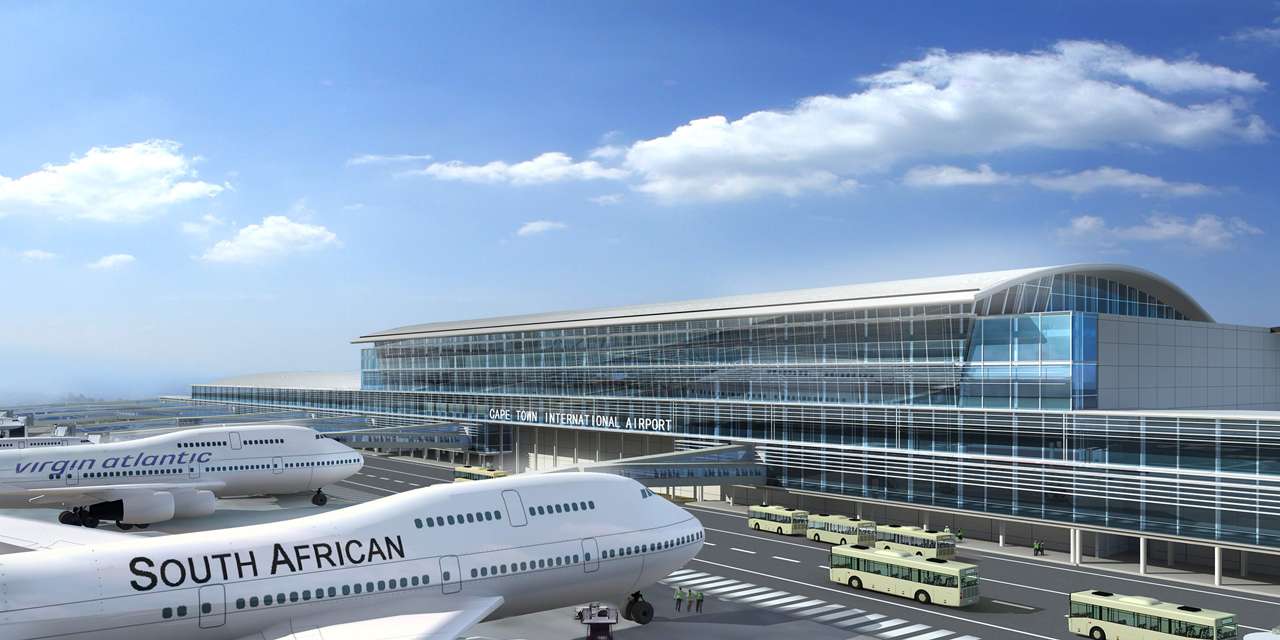
“Airlines in South Africa are raising fares due to a jet fuel supply crisis caused by refinery constraints and logistics bottlenecks at Johannesburg and Cape Town airports. Domestic and regional travellers are advised to budget for higher costs and longer connection times until supply stabilizes in October.”
South Africa’s transport and travel industry is grappling with a severe jet fuel shortage that has rippled across airlines, airports, and passengers. The crisis, which intensified in late August 2026, has forced carriers to raise fares, introduce surcharges, and adjust schedules. For travellers, this means higher costs, potential delays, and a need for careful planning when booking flights.
Background of the Crisis
The shortage stems from refinery capacity constraints at South Africa’s primary fuel suppliers. Compounding the issue are logistics bottlenecks at Johannesburg’s OR Tambo International and Cape Town International airports, where fuel deliveries slowed significantly in August. By early September, jet fuel prices across Southern African hubs were running well above global benchmarks, creating immediate cost pressures for airlines.
Impact on Airlines
- FlySafair has introduced explicit fuel surcharges on domestic routes.
- Airlink, which connects South Africa’s secondary cities with neighbouring countries, has flagged ongoing cost pressures feeding into ticket prices.
- Other carriers have folded the increases into base fares, making it harder for passengers to distinguish between standard pricing and surcharges.
Domestic Travel Effects
Routes such as Johannesburg–Cape Town, Johannesburg–Durban, and smaller city connections like George and East London are seeing the sharpest fare increases. Travellers booking these routes should expect fare volatility between booking and travel dates.
Regional Travel Effects
Regional connections into Mozambique, Zimbabwe, and Zambia are particularly sensitive to fuel cost volatility. Airlink’s regional routes are among the hardest hit, with fares rising unpredictably. Travellers planning multi-destination itineraries should book sooner rather than later to avoid further increases.
Passenger Experience
Beyond fares, the crisis has slowed ground handling operations at secondary terminals. Passengers are advised to allow extra buffer time for connections, especially at OR Tambo International. Travel insurance covering airline disruptions is strongly recommended.
Economic Ripple Effects
The jet fuel shortage is not just a travel inconvenience—it has broader economic implications:
- Tourism operators face cancellations and reduced bookings due to higher travel costs.
- Logistics and trade sectors reliant on air cargo are absorbing increased costs.
- Regional economies dependent on cross-border travel are experiencing reduced passenger flows.
Government and Industry Response
Industry sources expect supply pressures to ease by mid-October 2026, once refinery output stabilizes. In the meantime, airlines are lobbying for priority fuel allocations to maintain essential routes. The Department of Mineral and Petroleum Resources has acknowledged the crisis but has yet to announce concrete relief measures.
Practical Advice for Travellers
- Book direct with airlines rather than third-party platforms to ensure timely updates on schedule changes.
- Compare total fares, including surcharges, before booking.
- Plan flexible itineraries and avoid tight connections.
- Consider mid-October onwards for more stable pricing if travel dates are flexible.
Conclusion
The South African jet fuel crisis highlights the fragility of transport infrastructure when supply chains falter. For now, travellers must navigate higher fares and potential delays, while airlines balance cost recovery with customer retention. The coming weeks will test the resilience of Southern Africa’s aviation sector, but relief is expected once refinery supply normalizes.



