




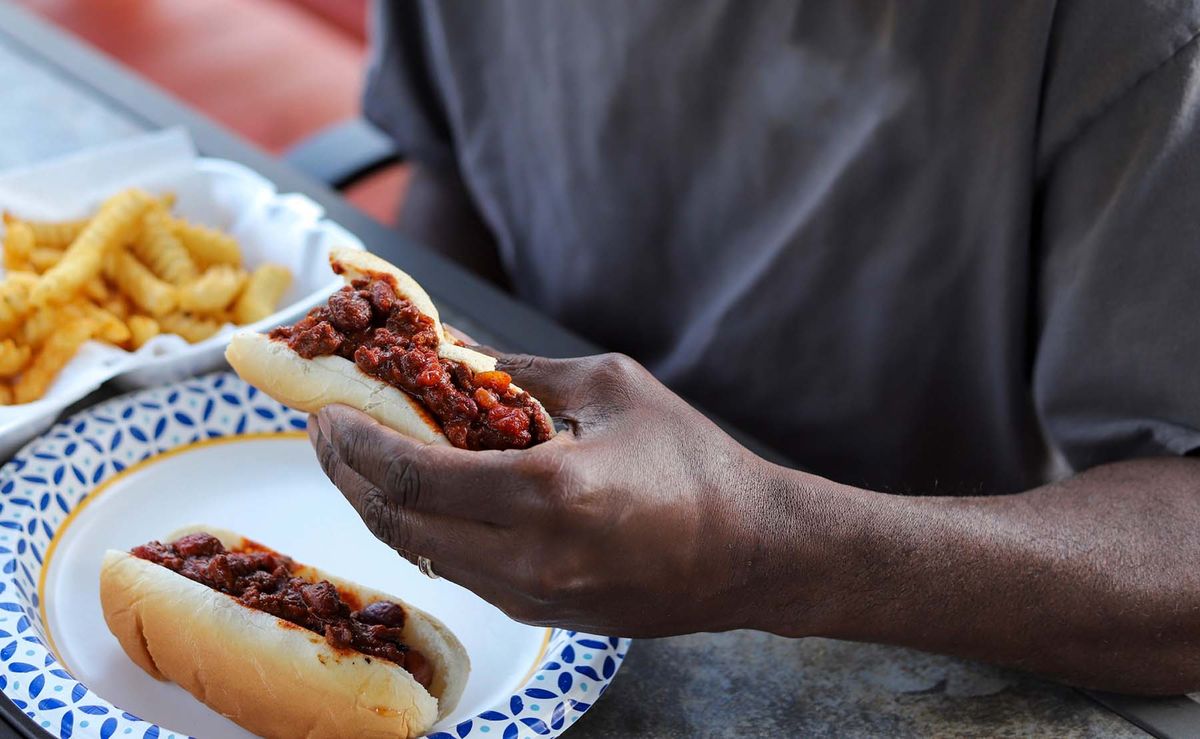
“Cheap, ultra-processed foods have become the most accessible option for struggling South African families, but experts warn this trend is fueling a silent health crisis. Rising rates of obesity, diabetes, and malnutrition are forcing urgent calls for policy reform and community-based nutrition interventions.”
South Africa is facing a mounting nutrition crisis as ultra-processed foods dominate the diets of low-income households. While these products are cheap and widely available, they are contributing to a surge in non-communicable diseases (NCDs) such as diabetes, hypertension, and obesity. Public health experts argue that this trend reflects deeper structural inequalities in food access and affordability, raising urgent questions about the country’s nutrition policies.
The Rise of Ultra-Processed Foods
- Ultra-processed foods include sugary drinks, instant noodles, fried snacks, and packaged baked goods.
- These products are cheaper than fresh fruits, vegetables, and lean proteins, making them the default choice for families struggling with unemployment and rising living costs.
- A recent survey shows that over 60% of households in urban townships rely on processed foods for daily meals, citing affordability and convenience.
Health Consequences
- Obesity rates in South Africa have doubled in the past two decades, with nearly one in three adults classified as obese.
- Type 2 diabetes prevalence has risen sharply, particularly among women and children.
- Malnutrition paradox: while obesity is increasing, micronutrient deficiencies remain widespread, with iron and vitamin A deficiencies reported among children.
Expert Perspectives
- Nutritionists warn that South Africa is experiencing a “double burden” of malnutrition: undernutrition in poorer rural areas and overnutrition in urban centers.
- Dr. Lerato Kodisang, a public health researcher, emphasizes that food affordability is the key driver: “Families are not choosing unhealthy foods because they want to; they are choosing them because they are the only affordable option.”
Policy Challenges
- Government subsidies currently favor staple grains rather than fresh produce.
- Calls are growing for tax incentives on fresh foods and stricter regulations on marketing ultra-processed products to children.
- Civil society groups argue that school feeding programs must prioritize fresh, locally sourced foods to break the cycle of poor nutrition.
Community Responses
- NGOs are piloting community gardens in townships, providing fresh vegetables at low cost.
- Local initiatives such as nutrition education workshops are helping families understand the long-term risks of processed foods.
- However, these efforts remain small-scale compared to the national scope of the problem.
Global Context
- The World Bank’s Food Security Update (May 2026) warns that climate shocks and rising fertilizer prices could worsen food insecurity in Southern Africa.
- With El Niño threatening crop yields, South Africa may face further increases in fresh food prices, pushing more families toward processed alternatives.
The Way Forward
- Experts recommend a multi-pronged approach:
- Nutrition education campaigns targeting schools and communities.
- Policy reform to subsidize fresh produce.
- Food security programs that integrate local agriculture into urban diets.
- Without urgent action, the country risks a public health crisis that could overwhelm its healthcare system.



