




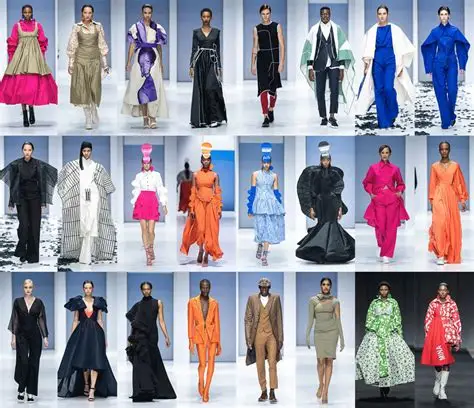
“South Africa’s fashion industry is undergoing a transformation where eco-friendly innovations like biodegradable textiles and upcycled denim are central to design. At the same time, cultural heritage motifs such as Ndebele patterns and Zulu beadwork are being reimagined, creating a vibrant ecosystem rooted in authenticity and responsibility.”
In 2026, South Africa’s fashion industry stands at a crossroads where sustainability and cultural identity converge. This dual focus reflects both global pressures—climate change, ethical consumerism—and local dynamics, including the country’s rich cultural heritage and growing middle class. The result is a fashion ecosystem that is vibrant, competitive, and deeply rooted in values of authenticity and responsibility.
Market Growth and Dynamics
The South African apparel market was valued at USD 5.8 billion in 2023 and is projected to reach USD 7.9 billion by 2030, growing at a CAGR of 4.6%. E-commerce adoption is booming: online sales rose from 2% in 2019 to 5% in 2023, with further growth expected. Global players like Shein, Amazon, and Temu are entering the market, intensifying competition.
Sustainability as a Core Trend
The sustainable fashion market in South Africa is projected to reach USD 680.66 million by 2033, growing at a CAGR of 25.27% from 2026. Recycled materials dominate, with fabrics made from plastic waste, organic cotton, and hemp. Transparency is key: consumers demand disclosure of supply chain practices and circular economy models.
Cape Town labels experiment with biodegradable textiles, while Johannesburg streetwear incorporates upcycled denim and repurposed sneakers. These innovations not only reduce environmental impact but also resonate with younger consumers who prioritize eco-consciousness.
Cultural Identity in Fashion
Heritage prints, traditional motifs, and indigenous craftsmanship are being reimagined for modern wardrobes. Examples include Ndebele-inspired patterns, Zulu beadwork, and Xhosa silhouettes. This revival is not nostalgic—it’s innovative, blending traditional aesthetics with contemporary cuts. Designers are creating garments that resonate with both local and global audiences, positioning South Africa as a leader in culturally sustainable fashion.
Challenges and Opportunities
Global competition pressures local brands to differentiate through authenticity and sustainability. Urbanization and rising disposable incomes fuel demand, but affordability remains a challenge for sustainable products. Storytelling and brand identity are crucial: consumers connect with narratives of eco-consciousness and cultural pride.
Case Studies
- Cape Town eco-labels: experimenting with biodegradable fabrics that decompose naturally.
- Johannesburg streetwear collectives: using upcycled denim and sneakers to appeal to youth culture.
- Luxury brands: integrating indigenous motifs into high-end collections, bridging tradition and modernity.
Consumer Behavior
South African consumers are increasingly eco-conscious, demanding transparency and ethical practices. Surveys show that over 60% of urban millennials prefer brands that demonstrate sustainability and cultural authenticity. This shift is reshaping retail strategies, with many brands adopting circular economy models and digital storytelling to engage audiences.
Global Positioning
South Africa’s sustainable fashion movement is gaining international recognition. Designers are showcasing collections at Paris, Milan, and New York Fashion Weeks, highlighting African innovation in eco-friendly design. This global exposure strengthens South Africa’s role as a hub for sustainable and culturally rich fashion.
Conclusion
South Africa’s fashion industry in 2026 exemplifies how sustainability and cultural identity can coexist and thrive. By embracing eco-friendly innovations and celebrating heritage, local designers are not only meeting global demands but also redefining what it means to be authentically African in fashion. The future of South African fashion lies in this powerful duality—where responsibility meets creativity, and tradition meets innovation.



