




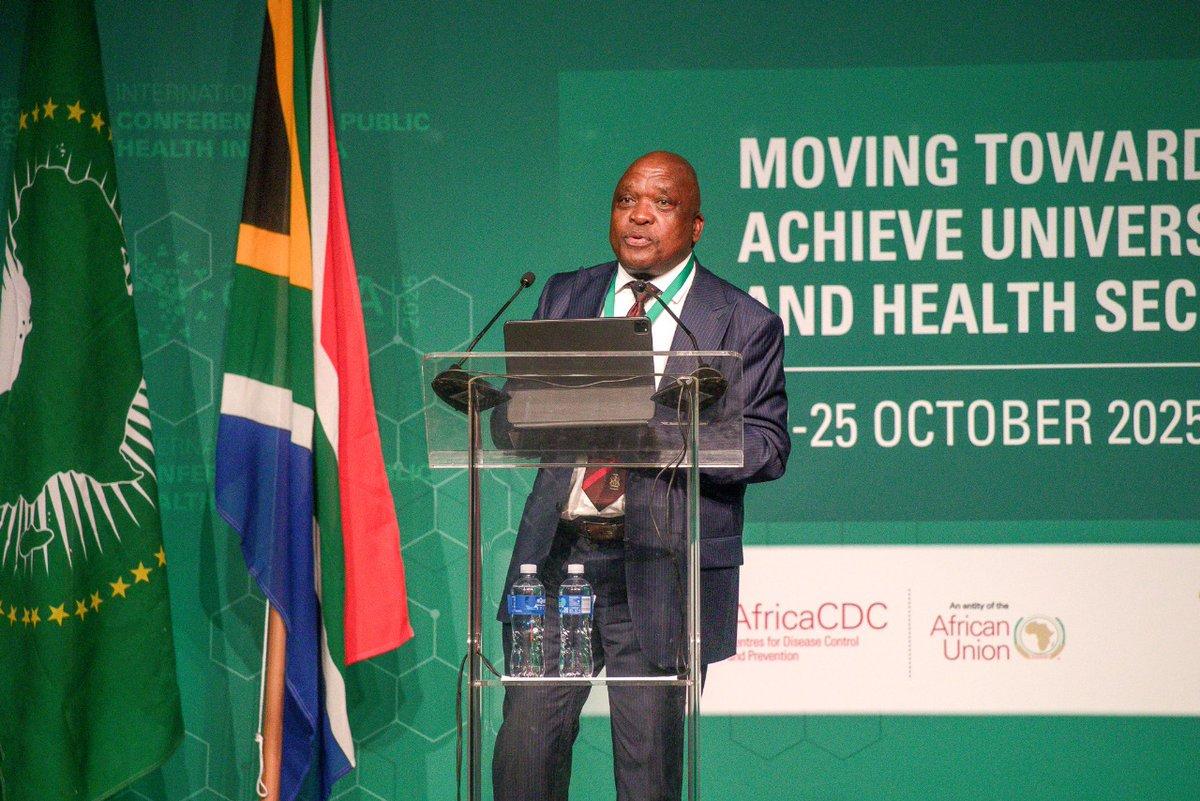
“South Africa is hosting a high-level Southern African Development Community (SADC) health ministers’ meeting in Durban on 9 November 2026, bringing regional governments together to strengthen disease prevention, healthcare delivery, HIV/AIDS programmes, malaria control and emergency preparedness. The discussions come amid renewed regional concerns about infectious disease threats, including the ongoing Bundibugyo Ebola outbreak in the Democratic Republic of the Congo, highlighting the importance of coordinated surveillance, cross-border cooperation and resilient health systems.”
South Africa Takes Regional Leadership in Disease Prevention
South Africa is bringing Southern African governments together to strengthen their collective response to diseases and emerging public health threats, as regional health ministers meet in Durban, KwaZulu-Natal, on Monday, 9 November 2026.
The high-level Southern African Development Community (SADC) meeting is expected to focus on healthcare delivery, HIV/AIDS, disease prevention, malaria control and the development of stronger health systems across the region. The gathering comes at a critical time when governments face increasing pressure to improve public health preparedness, strengthen disease surveillance and protect vulnerable communities from infectious diseases.
According to SAnews, the discussions will concentrate on translating regional health commitments into practical interventions, particularly in emergency preparedness, pharmaceutical production, disease prevention and sustainable healthcare financing.
South Africa’s hosting of the meeting reflects its regional responsibilities and the importance of cooperation in addressing diseases that frequently cross national borders.
Ebola Outbreak Highlights Regional Health Security Concerns
One of the major concerns influencing regional health discussions is the ongoing Ebola outbreak caused by Bundibugyo virus in the Democratic Republic of the Congo (DRC).
The outbreak has become an important public health emergency for Central and Southern Africa, requiring sustained international coordination, stronger surveillance systems and effective emergency response mechanisms.
The World Health Organization continues to monitor the outbreak and has assessed the risk as very high within the affected areas of the DRC. Countries sharing land borders with the DRC face a high regional risk, while the risk for the rest of Africa and the wider world has been assessed as low in the latest published assessment.
Although South Africa is not among the countries reporting the outbreak, regional health authorities recognise the importance of maintaining preparedness against imported infections.
The Ebola situation demonstrates why disease surveillance cannot operate independently within national boundaries. People travel for business, education, family responsibilities and trade, making communication between health authorities essential.
South Africa and neighbouring countries therefore have an interest in maintaining effective border health systems, rapid laboratory testing, emergency isolation facilities and trained healthcare personnel.
The regional meeting provides an opportunity to strengthen cooperation in these areas and encourage governments to share information more effectively.
Disease Surveillance and Emergency Preparedness
Disease surveillance is expected to remain a central component of regional health security discussions.
Effective surveillance allows public health authorities to identify unusual disease patterns, investigate suspected outbreaks and respond before infections spread extensively.
For countries across Southern Africa, strengthening surveillance requires investment in laboratories, trained epidemiologists, reliable reporting systems and cooperation between healthcare facilities.
Public health emergencies can develop rapidly when diagnostic services are weak or when information about infections is delayed.
Regional coordination can improve the exchange of epidemiological information and support quicker responses when disease threats emerge.
The SADC meeting is expected to emphasise early warning systems, information sharing and coordinated responses to emergencies, including outbreaks affecting neighbouring countries.
According to SAnews, regional health security and emergency preparedness are among the priority areas being discussed by ministers.
The importance of preparedness extends beyond Ebola.
Other infectious diseases, including cholera, tuberculosis, respiratory infections and malaria, continue to require sustained attention across the region.
Improved surveillance can help authorities identify disease outbreaks, monitor transmission patterns and direct resources towards communities facing the greatest risks.
Malaria Remains a Regional Health Priority
Malaria control is another important issue expected to feature prominently in regional health discussions.
The disease continues to affect communities across parts of Southern Africa, particularly populations living in areas where environmental conditions support mosquito transmission.
Malaria prevention requires a combination of interventions, including mosquito control, appropriate preventive measures, early diagnosis and effective treatment.
Public health authorities must also strengthen access to healthcare services in rural and underserved communities, where delays in diagnosis can increase the risk of severe illness.
The regional meeting will culminate in the commemoration of SADC Malaria Day on Friday, 13 November 2026.
The commemoration is expected to highlight the continuing burden of malaria and reinforce the importance of cooperation, prevention, surveillance and coordinated interventions towards malaria elimination.
The South African Department of Health has indicated that the meeting will address malaria control and regional efforts to strengthen healthcare delivery.
Malaria elimination requires sustained commitment rather than short-term campaigns.
Countries must maintain preventive interventions, monitor transmission patterns and ensure that affected communities can access diagnostic testing and treatment.
Cross-border cooperation is particularly important because mosquito-borne diseases do not respect political boundaries.
HIV/AIDS Programmes Require Continued Investment
HIV/AIDS remains another major public health priority for Southern Africa.
The region has made substantial progress in expanding HIV testing, treatment and prevention services, but maintaining these gains requires continued investment.
Regional ministers are expected to review progress towards HIV epidemic control and the international 95-95-95 targets.
These targets seek to ensure that 95% of people living with HIV know their status, 95% of those diagnosed receive treatment and 95% of those receiving treatment achieve viral suppression.
Achieving these goals requires accessible testing services, affordable medicines, reliable healthcare infrastructure and community-based support.
It also requires continued efforts to address stigma and discrimination, which can prevent individuals from seeking testing or treatment.
Healthcare authorities must ensure that people living with HIV can access services without discrimination and maintain continuity of treatment.
The regional meeting is expected to examine strategies for protecting essential HIV/AIDS programmes amid financial pressures and changing development assistance priorities.
Sustainable financing will be particularly important as governments seek to maintain treatment programmes while responding to additional public health challenges.
Sustainable Healthcare Financing and Pharmaceutical Production
Healthcare financing is another significant issue facing governments across Southern Africa.
Many health systems operate under considerable pressure, including shortages of medical personnel, infrastructure constraints and rising demand for services.
The SADC meeting is expected to examine strategies for strengthening domestic health financing and protecting essential programmes.
Ministers are also expected to discuss regional pharmaceutical manufacturing and the development of sustainable supply chains for medicines, vaccines and diagnostic products.
Greater regional manufacturing capacity could reduce dependence on international suppliers and strengthen the availability of essential healthcare commodities.
The establishment and operationalisation of the SADC Pharmaceutical Pooled Procurement Services is also among the priorities identified for discussion.
Pooled procurement could allow participating countries to use collective purchasing power to improve affordability, strengthen supply security and create more predictable demand for regional manufacturers.
Such arrangements could be particularly important during disease outbreaks, when demand for medicines, vaccines and diagnostic supplies can increase sharply.
However, successful implementation would require effective regulatory cooperation, quality assurance, reliable financing and coordination among participating governments.
Climate Change and Disease Vulnerability
Climate change is emerging as another important consideration in regional disease prevention.
Changing weather patterns, water shortages and extreme weather events can influence disease transmission and place additional pressure on healthcare systems.
The anticipated 2026–27 El Niño phenomenon is expected to create further challenges for food security, nutrition, water availability and climate-sensitive diseases.
These conditions can increase vulnerability among communities already experiencing economic and healthcare difficulties.
Public health authorities must therefore strengthen early warning systems and integrate climate-related risks into disease prevention strategies.
Water scarcity and inadequate sanitation can increase the risk of certain infectious diseases, while food insecurity and malnutrition can weaken the resilience of vulnerable populations.
The SADC meeting is expected to examine regional approaches to climate preparedness, nutrition interventions and healthcare system resilience.
These discussions highlight the need for governments to treat climate preparedness and disease prevention as interconnected public health priorities.
Strengthening Healthcare Systems Across Southern Africa
Regional health cooperation also provides an opportunity to address broader healthcare system challenges.
Countries across Southern Africa face differing levels of access to healthcare services, particularly between urban centres and rural communities.
Improving healthcare delivery requires investment in medical infrastructure, healthcare professionals, laboratories and community-based services.
It also requires policies that promote equitable access to essential medicines and reliable diagnostic services.
Regional cooperation can support the exchange of expertise, joint training programmes and coordinated approaches to emerging healthcare challenges.
The meeting is expected to address the development of resilient and equitable health systems capable of responding to infectious diseases, climate-related emergencies and other public health threats.
Stronger health systems can improve disease prevention while also reducing the consequences of outbreaks when they occur.
South Africa’s Role in Regional Disease Prevention
South Africa’s participation in regional health cooperation places it in an important position to support disease surveillance, laboratory capacity and emergency preparedness.
Its healthcare infrastructure and public health institutions can contribute to regional efforts to strengthen disease detection and response.
However, regional preparedness requires collaboration rather than isolated national action.
Countries must share information, coordinate emergency responses and support communities affected by disease outbreaks.
The Durban meeting offers an opportunity to strengthen these partnerships and develop practical approaches to common public health challenges.
The discussions also underline the importance of protecting essential healthcare services when governments face financial constraints.
Conclusion: Regional Cooperation Remains Essential
The SADC health ministers’ meeting in Durban represents an important opportunity for Southern African governments to strengthen their collective approach to disease prevention and healthcare delivery.
With Ebola preparedness, malaria control, HIV/AIDS programmes, climate-related health risks and sustainable financing on the agenda, the discussions reflect the increasingly interconnected nature of regional public health challenges.
The effectiveness of the meeting will ultimately depend on whether political commitments translate into measurable improvements in disease surveillance, healthcare access, emergency preparedness and treatment availability.
For South Africa and its neighbours, stronger regional cooperation remains essential to protecting communities, preventing avoidable illness and building health systems capable of responding to future emergencies.
The meeting also reinforces a central public health principle: preventing diseases and controlling outbreaks requires sustained investment, reliable information and cooperation between governments, healthcare institutions and communities.



