




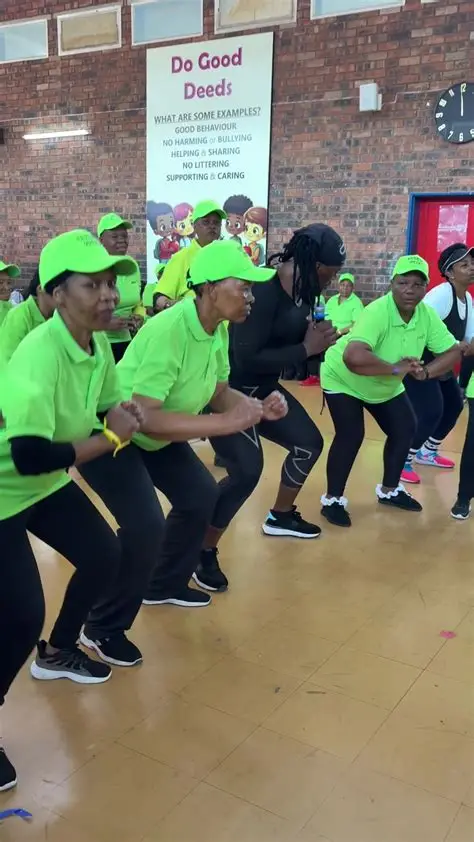
”South Africa has unveiled SA‑GAPPA‑H, a groundbreaking alliance spearheaded by Wits University to integrate physical activity into healthcare, workplaces, and communities. The initiative seeks to democratize fitness, reduce non‑communicable diseases, and address inequality by promoting accessible, low‑cost movement solutions.”
South Africa is facing a silent epidemic: physical inactivity and obesity. According to Wits University, 35% of South Africans are inactive, while 51% of deaths are linked to non‑communicable diseases (NCDs) such as diabetes, heart disease, and cancer. Recognizing this urgent crisis, Wits has launched the South African Chapter of the Global Alliance for the Promotion of Physical Activity and Health (SA‑GAPPA‑H), a bold initiative designed to embed physical activity into the nation’s healthcare system and everyday life.
Why This Matters
- Global impact: Physical inactivity causes 5 million deaths annually worldwide.
- Local burden: Obesity is rising sharply, particularly among black women, where one‑third live with obesity.
- Triple burden of disease: South Africa faces NCDs, infectious diseases (HIV/TB), and systemic challenges like poverty and inequality.
The Launch
The initiative was spearheaded by Professor Demitri Constantinou, who convened an exploratory meeting in May 2026 to establish SA‑GAPPA‑H. The alliance builds on South Africa’s commitment to the Hamburg Declaration (2025), which emphasized physical activity as a cornerstone of public health. International recognition followed, with Professor Fabio Pigozzi, President of the International Federation of Sports Medicine, praising the effort as a model of leadership and collaboration.
Movement as Medicine
The campaign emphasizes that 130 minutes of moderate activity per week can significantly improve health outcomes. Importantly, activity doesn’t have to mean gym memberships or marathons. Everyday actions—taking the stairs, hanging laundry, washing the car, or stretching at a desk—all count. This democratizes fitness, making it accessible across socioeconomic divides.
Community and Healthcare Integration
SA‑GAPPA‑H aims to:
- Embed physical activity into healthcare protocols so doctors prescribe movement alongside medication.
- Promote workplace wellness programs encouraging employees to move more.
- Support community initiatives like walking clubs, school fitness programs, and neighborhood exercise hubs.
Addressing Inequality
One of the biggest challenges is ensuring inclusivity. Wealthier demographics often have access to gyms and wellness programs, while poorer communities face barriers. SA‑GAPPA‑H stresses low‑cost, community‑based solutions to ensure physical activity is not a privilege but a right.
Expert Voices
- Professor Georgia Torres, Head of Exercise Science at Wits, called physical activity the “silver bullet” for preventing NCDs.
- Constantinou emphasized that national targets for physical activity don’t exist in South Africa, highlighting a policy gap that SA‑GAPPA‑H intends to fill.
Conclusion
The launch of SA‑GAPPA‑H represents a turning point in South Africa’s public health strategy. By embedding movement into healthcare, workplaces, and communities, the initiative seeks to transform fitness from a luxury into a national right and necessity. If successful, it could serve as a global model for combating inactivity and reducing the burden of disease.



