




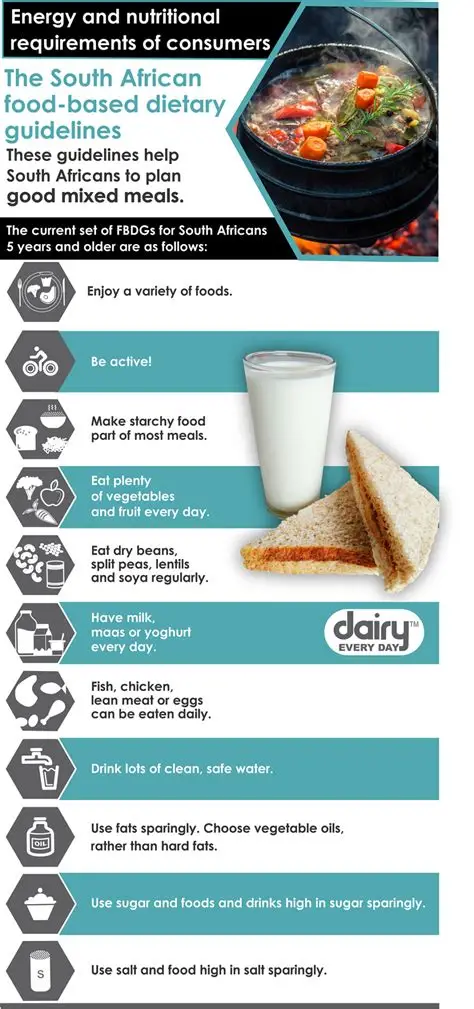
“South Africa has released revised national dietary guidelines to reshape food culture and fight rising obesity, diabetes, and hypertension. The guidelines emphasize traditional foods, reduced salt and sugar intake, and clean water as the primary beverage of choice.”
South Africa is facing a mounting public health crisis. With 70% of women and 40% of men overweight or obese, the country ranks among the highest globally for obesity prevalence. Chronic diseases such as diabetes and hypertension are escalating at alarming rates, driven by poor dietary habits and the widespread consumption of ultra-processed foods. In response, the Department of Health launched updated national dietary guidelines on July 19, 2026, designed to reshape the nation’s food culture and promote healthier living.
Why New Guidelines Were Needed
- Obesity epidemic: South Africa’s obesity rates are among the highest worldwide.
- Dietary shift: Traditional diets of beans, maize, and leafy greens have been displaced by fast food and sugary beverages.
- Chronic disease burden: Diabetes and hypertension are among the fastest-growing non-communicable diseases.
The urgency of reforming the nation’s food culture has never been greater.
Key Recommendations
- Traditional foods: Promote indigenous staples like beans, maize, legumes, and leafy greens.
- Salt and sugar reduction: Limit processed foods and sugary drinks, encourage home cooking.
- Hydration with clean water: Position water as the primary beverage of choice.
- Balanced diets: Encourage variety, moderation, and portion control.
Implementation Strategy
- Schools: Feeding schemes will prioritize traditional staples over processed foods.
- Hospitals: Patient meal plans will align with the new standards.
- Community programs: Outreach campaigns will raise awareness.
- Media campaigns: Nationwide messaging to shift public perception of healthy eating.
These strategies aim to embed the guidelines into everyday life, ensuring broad adoption across diverse communities.
Expert Opinions
Nutrition experts stress that cultural relevance is crucial. Dietary advice often fails when it does not resonate with lived experiences. By rooting guidelines in traditional foods, the government hopes to ensure long-term adoption.
Challenges Ahead
- Food access: Many low-income households struggle to afford nutritious food.
- Structural barriers: Without systemic changes, guidelines alone may not suffice.
- Industry pushback: Beverage and processed food companies may resist reduced consumption campaigns.
These challenges highlight the need for coordinated interventions that address both food availability and affordability.
Broader Implications
The guidelines are not just about nutrition—they touch on economic inequality, cultural identity, and sustainability. By encouraging traditional diets, the government is also supporting local agriculture and reducing reliance on imported processed foods.
Conclusion
South Africa’s updated dietary guidelines represent a bold step toward tackling obesity and chronic disease. While challenges remain, the emphasis on traditional foods, reduced sugar and salt intake, and clean water provides a culturally relevant and sustainable framework for healthier living. If successfully implemented, these guidelines could reshape the nation’s food culture and improve long-term public health outcomes.



