




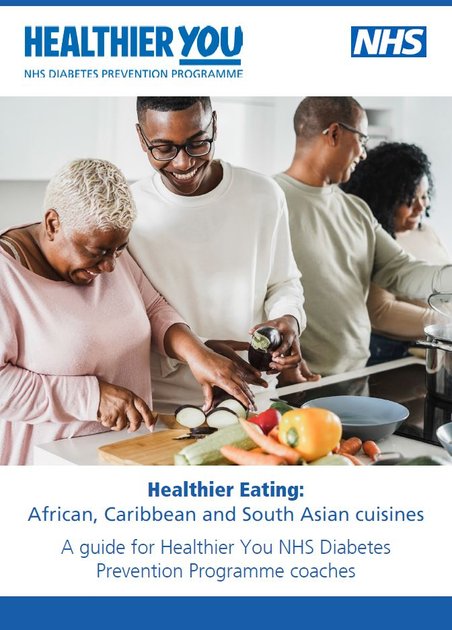
“South Africa has unveiled revised national dietary guidelines that prioritize indigenous foods, reduced salt and sugar consumption, and hydration through clean water. The initiative seeks to combat rising obesity, diabetes, and hypertension while reconnecting communities with cultural eating practices.”
South Africa is facing a mounting public health crisis driven by poor nutrition, rising obesity rates, and increasing cases of diabetes and hypertension. In response, the Department of Health has unveiled updated national dietary guidelines in July 2026, marking a pivotal moment in the country’s fight against lifestyle-related diseases. These guidelines are not merely advisory—they are intended to reshape food policy, influence school feeding schemes, and guide hospital nutrition programs nationwide.
Why New Guidelines Were Needed
Obesity rates in South Africa have surged, with nearly 70% of women and 40% of men overweight or obese. Diabetes and hypertension are among the fastest-growing non-communicable diseases. Ultra-processed foods and sugary beverages dominate diets, especially in urban areas, while traditional diets rich in beans, maize, and vegetables have been sidelined by fast food and convenience meals.
Key Recommendations
- Traditional Foods: Promote indigenous staples like beans, maize, leafy greens, and legumes.
- Salt and Sugar Reduction: Limit processed foods and sugary drinks, encourage home cooking with fresh ingredients.
- Hydration with Clean Water: Position water as the primary beverage of choice, reduce reliance on sodas and sweetened juices.
- Balanced Diets: Encourage variety to ensure adequate intake of vitamins and minerals, highlight moderation and portion control.
Implementation Strategy
- Schools: Feeding schemes will prioritize traditional staples over processed foods.
- Hospitals: Patient meal plans will align with the new standards.
- Community Programs: Outreach campaigns will raise awareness and encourage adoption.
- Media Campaigns: Nationwide messaging to shift public perception of healthy eating.
Expert Opinions
Nutrition experts emphasize that cultural relevance is crucial. Dietary advice often fails when it does not resonate with lived experiences. By rooting guidelines in traditional foods, the government hopes to ensure long-term adoption.
Challenges Ahead
- Food Access: Many low-income households struggle to afford nutritious food.
- Structural Barriers: Without changes to the food system, guidelines alone may not be enough.
- Industry Pushback: Beverage and processed food companies may resist reduced consumption campaigns.
Broader Context
South Africa’s dietary guidelines are part of a larger push to address non-communicable diseases, which now account for a significant portion of healthcare costs. The initiative aligns with global health strategies that emphasize prevention through lifestyle changes rather than treatment alone.
Conclusion
The updated dietary guidelines represent a bold step toward reshaping South Africa’s food culture and tackling the country’s growing wellness crisis. By emphasizing traditional foods, reducing salt and sugar, and promoting hydration with clean water, the government hopes to reverse alarming health trends and build a healthier future for all citizens.



