




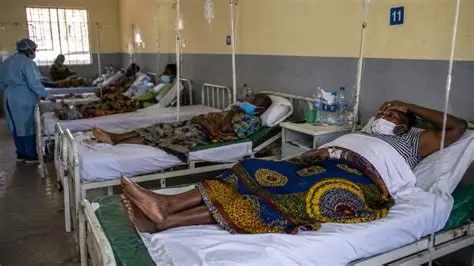
“South Africa’s Department of Health has announced comprehensive measures to prepare for a possible Ebola outbreak, including hospital readiness, border screening, and specialised scientist training. Although no cases have been detected locally, the government is prioritising surveillance and rapid response as neighbouring countries battle the virus.”
Ebola virus disease (EVD) is a severe, often fatal illness caused by infection with the Ebola virus. It spreads through direct contact with bodily fluids of infected individuals and has a case fatality rate ranging from 30% to 50%. Recent outbreaks in the Democratic Republic of Congo and Uganda have heightened regional concerns, prompting South Africa to strengthen its preparedness.
Government Response
- Hospital Readiness: The Health Minister confirmed that 12 private and 24 public hospitals have been designated to manage suspected Ebola cases.
- Border Screening: Port health workers integrated into the Border Management Authority are screening travellers from high‑risk areas.
- Surveillance: The NICD is coordinating laboratory testing and has one of only two biosafety level‑4 labs in Africa, capable of handling dangerous pathogens.
Training & Capacity Building
This week, NICD scientists are attending a four‑day specialised workshop in Pretoria to enhance Ebola preparedness. The training focuses on biosafety protocols, diagnostic testing, and regional collaboration. South Africa’s expertise is critical not only domestically but also for neighbouring countries that rely on NICD’s laboratory support.
Public Health Strategy
- Preparedness over Panic: Officials emphasise that science, not fear, guides their approach.
- Rapid Response Teams: Deployed to investigate suspected cases immediately.
- Community Awareness: Public messaging campaigns highlight Ebola’s transmission routes and prevention methods.
Regional Context
The outbreak in Central Africa has already strained health systems. South Africa’s proactive stance reflects lessons learned from past epidemics, including COVID‑19, where delayed responses worsened outcomes. By investing in readiness now, the country aims to avoid being caught off guard.
Challenges
- Resource Allocation: Balancing Ebola preparedness with ongoing battles against influenza, RSV, and diphtheria.
- Public Confidence: Ensuring communities trust government messaging and comply with health protocols.
- Cross‑Border Risks: High mobility across Southern Africa increases the likelihood of imported cases.
Expert Commentary
Health experts stress that while Ebola is not airborne, its high fatality rate makes vigilance essential. Early detection and isolation remain the most effective tools to prevent widespread transmission. The NICD’s role as a regional hub underscores South Africa’s responsibility beyond its borders.
Conclusion
South Africa’s Ebola preparedness demonstrates a proactive, science‑driven approach to disease management. With hospitals designated, border screening in place, and scientists undergoing specialised training, the country is positioning itself as a regional leader in outbreak response. The absence of confirmed cases should not breed complacency; rather, it highlights the importance of readiness in safeguarding public health.



