




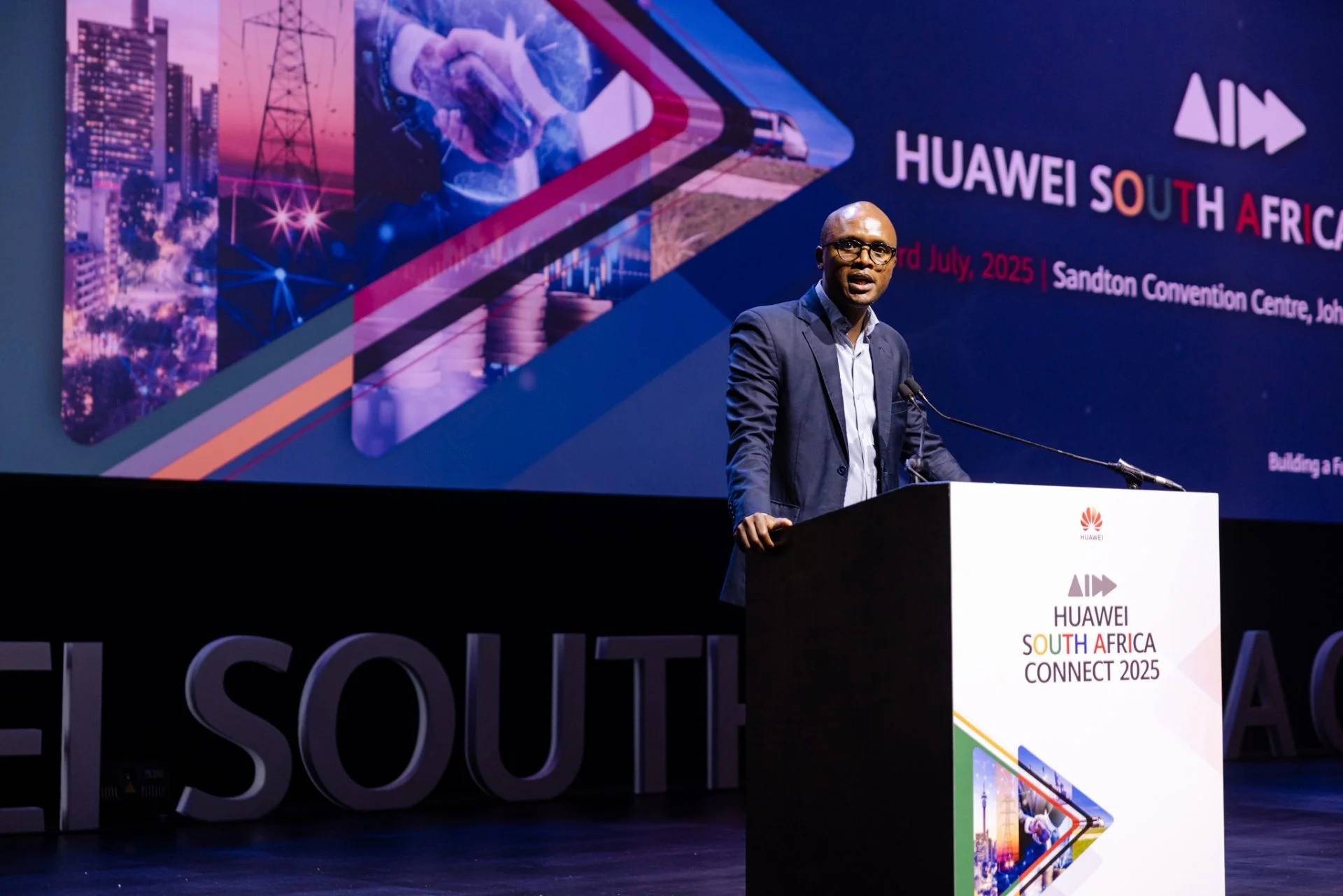
“At Huawei’s Connect 2026 conference in Johannesburg, leaders warned that South Africa must act decisively to harness AI’s transformative potential, with projections showing the market could triple by 2030. The discussions highlighted both opportunities—massive GDP growth and job creation—and challenges, including infrastructure gaps and shortages of AI skills.”
Artificial Intelligence (AI) is no longer a futuristic concept—it is rapidly becoming the backbone of modern economies. At the Huawei South Africa Connect 2026 conference, policymakers, industry leaders, and technology experts gathered to discuss how South Africa can seize AI’s potential. The event underscored the urgency of building robust infrastructure, fostering digital talent, and ensuring ethical adoption of AI technologies.
Current Market Landscape
- AI market value: Over R50 billion in 2026.
- Projected growth: Expected to triple by 2030, reaching more than R150 billion.
- GDP impact: AI could contribute between R1 trillion and R1.4 trillion to South Africa’s economy by 2030.
- Job creation: Between 200,000 and 400,000 ICT jobs could be generated.
These figures highlight AI’s potential to become a cornerstone of South Africa’s economic transformation.
Key Themes from Huawei Connect 2026
1. Infrastructure Gaps
Huawei executives stressed that agentic AI systems—capable of independent decision-making—require resilient networks, advanced cloud platforms, and powerful data centers. South Africa’s current infrastructure gaps pose challenges but also opportunities for investment.
2. Government’s Role
Minister Solly Malatsi emphasized that AI should be seen as an opportunity rather than a threat. He called for stronger partnerships between government and industry to expand digital access, particularly through affordable devices and connectivity.
3. Global Collaboration
South Africa has joined 29 other nations in establishing the World AI Cooperation Organisation, an intergovernmental body promoting ethical and responsible AI adoption. This positions the country as a key player in shaping global AI standards.
Opportunities for South Africa
- Economic Leapfrogging: AI offers South Africa a chance to bypass traditional industrial stages and leap directly into advanced digital economies.
- Sectoral Transformation: AI applications are expected to revolutionize public services, energy, finance, telecommunications, and education.
- Global Competitiveness: By investing in AI, South Africa could position itself as a regional AI hub in Sub-Saharan Africa.
Challenges Ahead
- Skills Shortage: A lack of trained AI professionals remains a major barrier.
- Data Silos: Enterprises often fail to integrate AI into workflows due to fragmented data systems.
- Ethical Concerns: Ensuring responsible AI adoption is critical to avoid bias, misuse, or exclusion.
Industry Initiatives
Vodacom, in partnership with the University of Johannesburg (UJ) and Amazon Web Services (AWS), launched the Vodacom AI Lab to build South Africa’s AI talent pipeline. This initiative connects academic research with real-world business challenges, giving students hands-on AI experience.
Expert Perspectives
- Nicholas Ma (Huawei VP): “AI is more than just a tool—it has moved into core production and operations.”
- Shameel Joosub (Vodacom CEO): “Technology alone will not determine success. People, skills, and partnerships will.”
Conclusion
South Africa stands at a pivotal moment in its AI journey. With the right investments in infrastructure, skills, and ethical frameworks, the country could unlock unprecedented economic growth and job creation. However, failure to act decisively risks widening the digital divide and missing out on one of the greatest technological opportunities of our time.



