




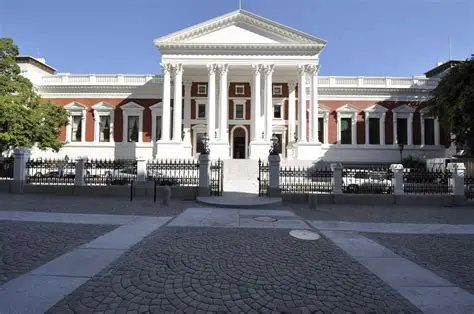
“South Africa’s Parliament convened a summit in Pretoria to deliberate on transferring budgetary oversight of ten democracy institutions from the executive to Parliament. The reform aims to bolster independence, reduce political interference, and enhance investor confidence in governance.”
On July 16, 2026, South Africa’s governance landscape reached a pivotal moment as the National Assembly, led by Speaker Thoko Didiza, hosted a landmark summit in Pretoria. The central issue: whether the budgets of democracy-supporting institutions—commonly referred to as Chapter 9 institutions—should be transferred from executive control to parliamentary oversight. This debate carries profound implications for the country’s democratic architecture, institutional independence, and investor confidence.
Background: Chapter 9 Institutions
Chapter 9 of South Africa’s Constitution establishes institutions designed to safeguard democracy, human rights, and accountability. These include:
- South African Human Rights Commission (SAHRC)
- Public Protector
- Auditor-General
- Commission for Gender Equality
- Independent Electoral Commission (IEC)
These bodies are tasked with ensuring electoral integrity, fiscal accountability, and protection of rights. However, their funding has historically been tied to the executive branch, raising concerns about compromised independence.
The Budget Debate
At the heart of the summit was the question: Should Parliament, rather than the executive, control the budgets of democracy institutions?
- Current System: Budgets are allocated through executive channels, creating dependency.
- Proposed Reform: Parliamentary oversight would redraw accountability lines, ensuring institutions answer to the legislature.
- Implications: This shift could bolster independence, reduce political interference, and enhance investor confidence in South Africa’s regulatory environment.
Appointment and Removal Procedures
Beyond budgets, the summit addressed harmonization of appointment and removal procedures. Currently, inconsistencies allow room for executive influence in commissioner selection. Standardizing these processes would:
- Reduce governance risks.
- Strengthen institutional credibility.
- Ensure transparent and merit-based appointments.
Investor Confidence and International Perception
South Africa’s credibility in global markets is closely tied to perceptions of institutional independence. By shifting budgetary oversight to Parliament, the country signals a commitment to transparency and accountability. Analysts argue that this reform could:
- Improve ratings from international watchdogs.
- Attract foreign investment by reducing political risk.
- Strengthen South Africa’s standing in multilateral institutions.
Political Dynamics
The debate also reflects broader tensions within South Africa’s Government of National Unity (GNU). While coalition partners support reforms to strengthen democracy, some factions fear that parliamentary control could politicize budget allocations. The summit revealed:
- Support from reformist blocs who see this as a safeguard against executive overreach.
- Skepticism from traditionalists who worry about legislative gridlock and politicization.
Civil Society and Public Reaction
Civil society organizations welcomed the debate, emphasizing that independent institutions are essential for protecting rights and ensuring accountability. Public opinion polls suggest strong support for reforms that reduce executive influence, particularly in light of past controversies involving the Public Protector and Auditor-General.
Risks and Challenges
Despite optimism, several risks remain:
- Legislative gridlock could delay budget approvals.
- Partisan politics within Parliament may undermine neutrality.
- Implementation hurdles in harmonizing appointment procedures across diverse institutions.
Conclusion
The July 16 summit marks a turning point in South Africa’s democratic journey. By considering reforms that transfer budgetary oversight from the executive to Parliament, the country is taking steps to strengthen institutional independence, credibility, and investor confidence. While challenges remain, the debate underscores South Africa’s ongoing commitment to deepening democracy and safeguarding governance structures.



