




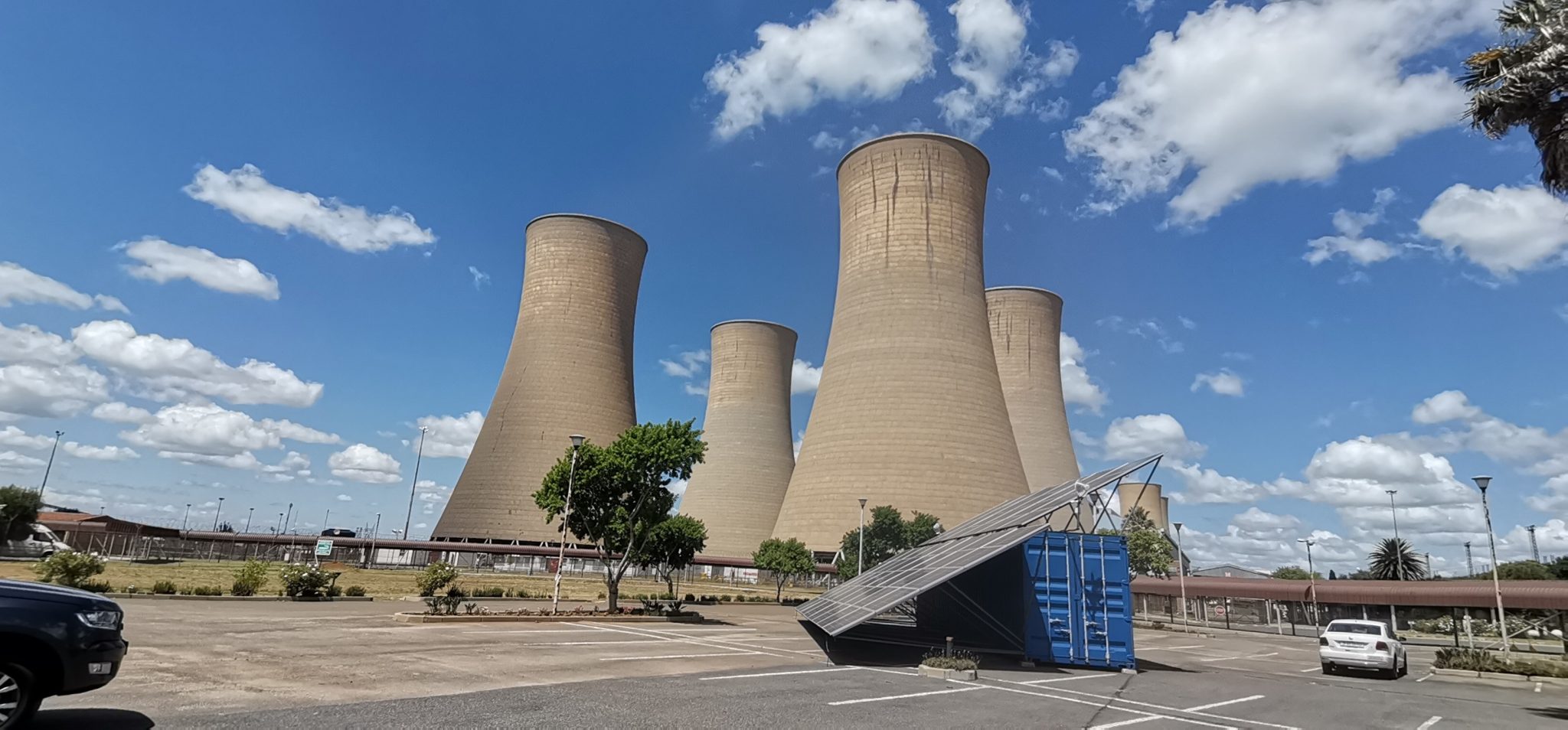
“South Africa’s mining giants, including Anglo American and Sibanye Stillwater, are rapidly investing in renewable energy projects to cut costs and meet decarbonization targets, reducing dependence on Eskom’s aging coal-fired grid. At the same time, government reforms in electricity pricing and NERSA’s registration of 124 new renewable projects highlight a systemic shift toward transparency, affordability, and clean energy expansion.”
South Africa’s energy landscape is at a pivotal moment. For decades, Eskom’s coal-heavy grid has powered Africa’s most industrialized economy, but chronic load-shedding, rising costs, and climate pressures have forced both government and industry to rethink the model. Recent developments — miners’ renewable push, electricity pricing reforms, and NERSA’s approval of 124 new renewable projects — collectively mark a turning point in the country’s energy transition.
Mining Sector’s Renewable Drive
Mining companies, historically among Eskom’s largest consumers, are now spearheading renewable adoption. Anglo American’s joint venture with EDF, Envusa Energy, already generates 520 MW of wind and solar power, covering 30% of its mines’ consumption, with ambitions to reach 3,000 MW by 2030. Sibanye Stillwater, meanwhile, prefers off-take contracts, securing renewable supply without owning generation assets. These moves are not just about sustainability — renewables are 20–30% cheaper than Eskom’s coal-based electricity.
Government’s Electricity Pricing Reforms
Electricity Minister Kgosientsho Ramokgopa unveiled the Revised Electricity Pricing Policy this month, aiming to restructure tariffs across generation, transmission, distribution, and retail. Prices have surged 900% since 2007, far outpacing inflation. The reforms promise transparency, affordability, and expanded free basic electricity for indigent households. Analysts remain divided: while some argue tariff separation will expose inefficiencies, others believe it could eventually lower costs if implemented effectively.
NERSA’s Renewable Expansion
On August 20, NERSA registered 124 new renewable facilities, adding 804 MW of capacity worth R20.18 billion. Solar dominates in number (122 projects, 236 MW), but wind leads in capacity (2 projects, 568 MW). These projects span all nine provinces, with strong hubs in the Northern Cape, Mpumalanga, and Gauteng. Since 2018, NERSA has approved 2,619 facilities totaling 20,131 MW, reflecting a massive private-led investment wave.
Challenges Ahead
Despite progress, Eskom remains central to baseload supply. Renewables cannot yet fully replace coal, especially during peak demand. Grid integration, regulatory compliance, and financing sustainability are ongoing challenges. Moreover, while reforms promise affordability, execution will determine whether households truly benefit.
Broader Implications
- Economic resilience: Reduced reliance on Eskom strengthens industrial competitiveness.
- Climate commitments: Aligns with South Africa’s pledge to cut emissions.
- Social equity: Pricing reforms aim to protect vulnerable households.
- Investment confidence: Private-led renewable growth signals a stable regulatory environment.
Conclusion
South Africa’s energy sector is shifting from crisis management to structural transformation. Mining companies’ renewable investments, government’s pricing reforms, and NERSA’s rapid project approvals collectively signal a future where clean energy, affordability, and resilience define the power landscape. While Eskom’s coal plants remain critical for now, the trajectory is clear: South Africa is accelerating toward a diversified, renewable-powered economy.



