




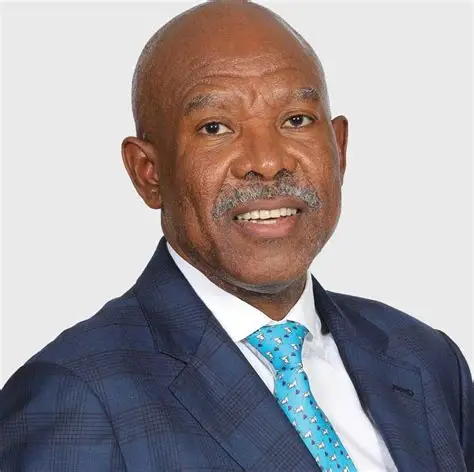
“The South African Reserve Bank (SARB) surprised markets by keeping its repo rate unchanged at 7%, arguing that policy is already tight enough to curb inflation, which hit 5% in June, its highest in two years. The decision reflects a balancing act between rising fuel‑driven price pressures and weak domestic demand, leaving economists divided on the future path of interest rates.”
South Africa’s monetary policy landscape took a dramatic turn on July 23, 2026, when the South African Reserve Bank (SARB) announced its decision to hold the repo rate at 7%, defying widespread expectations of a hike. The move comes against the backdrop of surging inflation, volatile global oil prices, and weakening consumer confidence. While the central bank insists its stance is sufficiently restrictive, the decision has triggered intense debate among economists, investors, and business leaders about the risks and opportunities ahead.
Global Context
The SARB’s decision cannot be divorced from global developments. Oil prices have rebounded sharply to $90 per barrel, driven by renewed instability in the Middle East and disruptions in the Strait of Hormuz. At the same time, the AI boom has buoyed global investment, offsetting some of the drag from geopolitical tensions. Major central banks, including the European Central Bank and Bank of Japan, raised rates in June, while the US Federal Reserve held steady but signaled vigilance. The dollar’s strength has added pressure on emerging market currencies, including the rand.
Domestic Economic Conditions
South Africa’s economy grew close to 2% year‑on‑year in Q1 2026, largely due to net exports rather than domestic demand. However, growth is expected to slow in Q2 and Q3 as consumer and business confidence falters. Municipal dysfunction, rising fuel costs, and uncertainty around investment have constrained growth. Retail sales showed resilience, rising 2.3% in May, but wholesale trade fell sharply, underscoring uneven sectoral performance.
Inflation Dynamics
Annual consumer inflation accelerated to 5% in June, up from 4.5% in May, marking the highest level in two years. Transport costs surged 12.7%, driven by fuel prices up 34.3%, while housing and utilities rose 5.5%. Core inflation also ticked higher to 4.1%, reinforcing concerns about sticky underlying pressures. Food inflation, however, remained subdued, easing to 1.4%, offering some relief to households.
The Policy Decision
Governor Lesetja Kganyago defended the rate hold, stating that policy is “tight enough” to bring inflation back within the SARB’s 3% target band by 2028. Four Monetary Policy Committee members supported the hold, while two favored a 25‑basis‑point hike. The rand plunged over 2% against the dollar immediately after the announcement, reflecting market disappointment.
Diverging Economic Views
Economists remain split. Some, like Citi’s Gina Schoeman, warn of second‑round inflation effects and predict a hike at the next meeting in September. Others, including Goldman Sachs’ Andrew Matheny, argue that the May hike provided enough buffer, allowing SARB to adopt a wait‑and‑see approach. The Bureau for Economic Research highlighted sticky services inflation and rising wholesale trade weakness as risks to growth.
Business and Consumer Impact
For businesses, the rate hold offers short‑term relief from higher borrowing costs but prolongs uncertainty. Exporters face weaker commodity prices, while importers benefit from lower input costs. Households remain squeezed by fuel‑driven inflation, eroding disposable income and dampening retail demand. The decision underscores the delicate balance between stabilizing prices and supporting growth.
Policy Outlook
Looking ahead, SARB’s baseline forecast anticipates recovery in the second half of 2026 as global shocks fade. However, downside risks remain significant, including persistent oil volatility, weak domestic investment, and structural governance challenges. The September meeting will be closely watched, with markets divided between expectations of a hike and continued policy stability.
Conclusion
The SARB’s July 2026 decision reflects the complexity of South Africa’s economic environment: inflation at a two‑year high, fragile growth, and global uncertainty. By holding rates, the central bank has signaled confidence in its restrictive stance, but the move has unsettled markets and left economists debating the path forward. For South Africa, the challenge remains balancing inflation control with growth revival—a balancing act that will define the country’s economic trajectory in the months ahead.



