




“The SARB has maintained the repo rate at 7%, warning that global oil price shocks and weak domestic confidence pose downside risks to growth. Inflation is expected to remain above 4% until early 2027, with households already strained by higher fuel costs.”
The South African Reserve Bank (SARB), under Governor Lesetja Kganyago, released its July 2026 Monetary Policy Committee (MPC) statement, confirming that the repo rate will remain unchanged at 7%. This decision comes at a time of heightened global uncertainty, particularly due to the ongoing crisis in the Middle East, which has disrupted oil supply chains and driven prices sharply higher. The SARB’s cautious stance reflects its balancing act between supporting growth and containing inflationary pressures.
Global Context
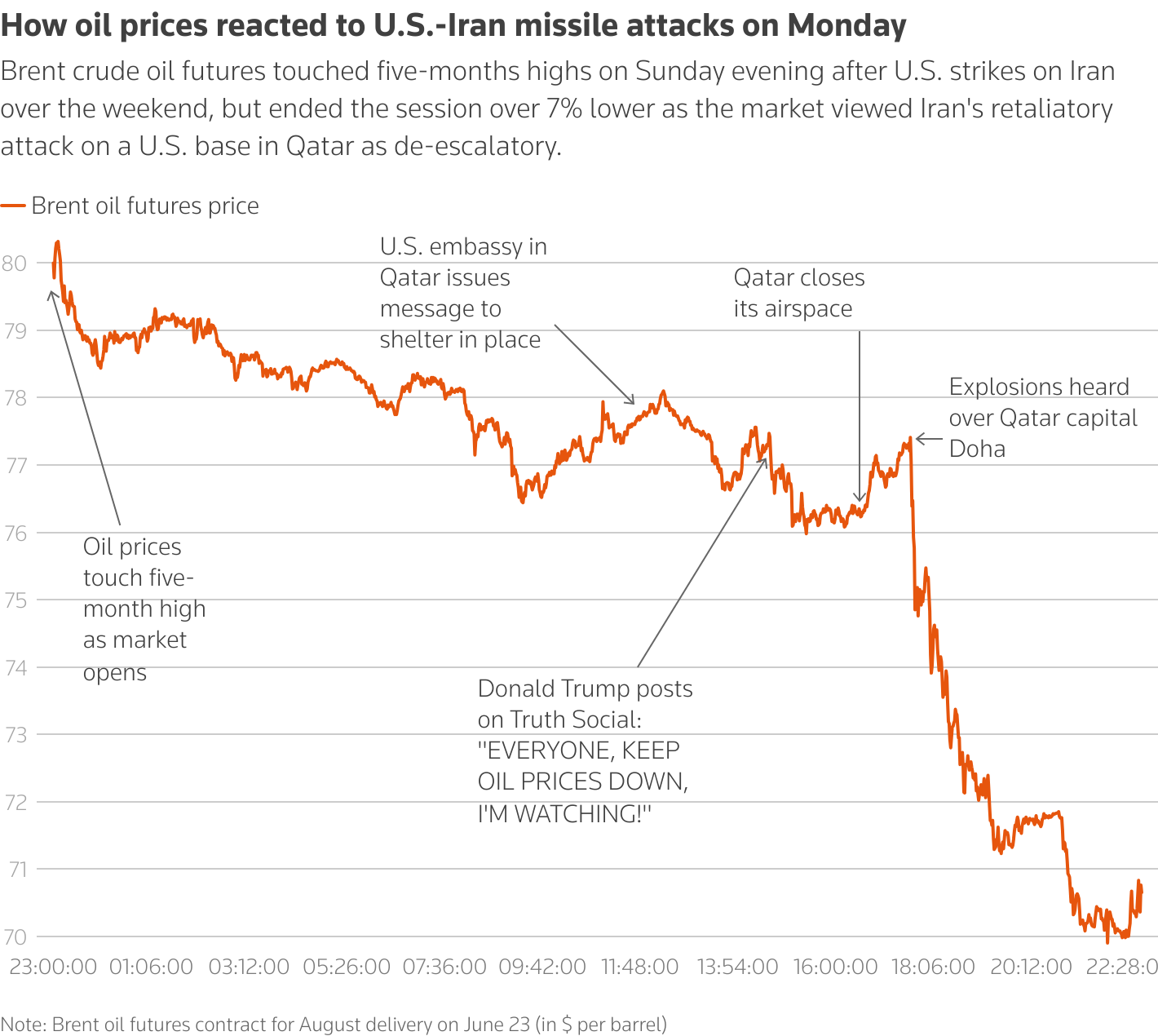
- Oil Prices: Brent crude rebounded from $70 to $90 per barrel in July, reversing earlier declines.
- Global Growth: Despite geopolitical instability, the AI boom has provided some offset, with investments in data centers and elevated valuations for tech firms.
- Central Banks: The ECB and Bank of Japan raised rates in June, while the Fed held steady but signaled vigilance on inflation.
These dynamics have strengthened the US dollar, putting pressure on emerging market currencies, including the rand.
Domestic Economic Outlook
- Growth: South Africa’s Q1 2026 GDP grew ~2% year-on-year, driven by net exports rather than domestic demand.
- Confidence: Both consumer and business confidence have fallen sharply, reflecting uncertainty and municipal dysfunction.
- Exports: Prices for key commodities have declined, though terms of trade improved due to lower import costs.
The SARB anticipates slower growth in Q2 and Q3 2026, with recovery expected in the second half of the year if global conditions stabilize.
Inflation Trends
- Current Inflation: 5%, above the SARB’s target band of 3–4%.
- Drivers: Fuel costs remain the primary inflationary pressure, though goods prices are relatively contained.
- Forecast: Headline inflation is expected to stay above 4% until early 2027, with risks tilted to the upside.
The rand has shown resilience, holding steady against the US dollar and strengthening against the euro, which has helped cushion imported inflation.
Policy Decision
The SARB’s decision to hold the repo rate at 7% reflects:
- A desire to anchor inflation expectations.
- Recognition of weak domestic demand.
- Concern over municipal dysfunction as a structural drag on growth.
Governor Kganyago emphasized that while the economy began 2026 with momentum, households are now suffering from higher fuel costs, and investment remains subdued.
Implications for South Africans
- Borrowers: Mortgage and loan repayments remain high, limiting household spending power.
- Investors: The rand’s resilience offers some stability, but volatility in oil prices could trigger renewed inflationary pressures.
- Businesses: Weak confidence and municipal inefficiencies continue to constrain investment and expansion.
Risks Ahead
- Global Oil Prices: Continued volatility could push inflation higher.
- Domestic Confidence: Weak consumer and business sentiment may prolong sluggish growth.
- Municipal Dysfunction: Infrastructure and governance failures remain a binding constraint on long-term growth.
Conclusion
The SARB’s July 2026 MPC statement underscores the delicate balance policymakers face in navigating global shocks and domestic weaknesses. By holding the repo rate at 7%, the central bank aims to stabilize inflation expectations while acknowledging the fragility of South Africa’s growth outlook. The months ahead will test the resilience of households, businesses, and policymakers as they confront both external and internal challenges.



