




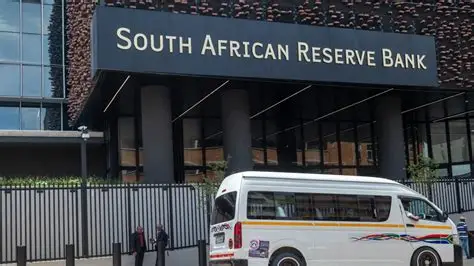
“The South African Reserve Bank (SARB) has decided to keep the repo rate unchanged at 7%, balancing inflationary pressures against fragile growth prospects. Rising global oil prices and domestic governance challenges continue to weigh on household consumption and business confidence.”
The South African Reserve Bank’s (SARB) July 2026 Monetary Policy Committee (MPC) decision to hold the repo rate at 7% underscores the delicate balancing act policymakers face in navigating global oil shocks and domestic structural weaknesses. With inflation at 5%, above the target band of 3–4%, households are squeezed by rising fuel costs, while municipalities struggle to deliver essential services.
Global Context
- Oil Prices: Brent crude surged back to $90 per barrel, reversing earlier declines due to renewed instability in the Middle East, particularly disruptions in the Strait of Hormuz.
- Global Growth: Despite geopolitical tensions, world growth forecasts remain steady, buoyed by the AI investment boom in data centers and tech valuations.
- Central Banks Abroad: The Bank of Japan and European Central Bank raised rates in June, while the US Federal Reserve held steady but signaled hawkish intent. The dollar strengthened, putting pressure on emerging market currencies like the rand.
Domestic Economic Performance
- GDP Growth: South Africa’s first-quarter GDP grew nearly 2% year-on-year, driven by net exports rather than domestic demand. However, SARB projects slower growth in Q2 and Q3.
- Confidence: Consumer confidence has dropped sharply, and business sentiment has weakened. Municipal dysfunction is cited as a binding constraint on growth.
- Exports: Commodity prices have fallen, though terms of trade improved due to cheaper imports.
Inflation Dynamics
- Current Rate: Headline inflation stands at 5%, above the SARB’s target band.
- Drivers: Fuel costs remain the primary culprit. Petrol and diesel prices eased briefly but rebounded alongside global oil.
- Other Prices: Goods inflation has been contained, and the rand has shown resilience against the dollar and euro.
Policy Decision
The MPC’s decision to hold rates reflects caution:
- Raising rates further could choke fragile growth.
- Cutting rates risks fueling inflation amid volatile oil markets.
- The SARB’s baseline forecast anticipates recovery in the second half of 2026, but risks remain tilted to the downside.
Structural Challenges
- Municipal Dysfunction: Poor governance at local levels hampers service delivery and investment.
- Household Strain: Rising fuel costs erode disposable income, limiting consumption.
- Reform Momentum: Business Leadership South Africa’s Quarterly Review shows reform momentum turning negative for the first time since 2024, with the Reform Completion Index falling to 71.1.
Implications for Banking Sector
The banking sector faces a dual challenge:
- Credit Demand: Weak consumer confidence and household strain reduce demand for loans.
- Liquidity Management: Banks must navigate tighter liquidity conditions as global oil shocks ripple through financial markets.
- Investment Climate: Governance reforms and municipal dysfunction weigh on investor sentiment, limiting capital inflows.



