




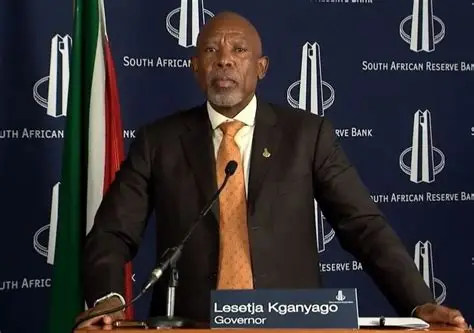
“The SARB has decided to keep the repo rate steady at 7%, citing external inflationary pressures such as rising fuel prices and global instability. While this provides short-term relief for borrowers, the central bank emphasized that inflation risks could force future tightening if conditions worsen.”
The South African Reserve Bank’s (SARB) July 2026 Monetary Policy Committee (MPC) meeting concluded with a decision to hold the repo rate steady at 7%, a move that reflects the delicate balance between supporting economic growth and containing inflation. Governor Lesetja Kganyago emphasized that while households and businesses will welcome the stability, inflationary risks remain a pressing concern.
Global Context
The MPC statement highlighted global volatility, particularly the Middle East crisis, which has disrupted oil supply chains. Oil prices rebounded from $70 to $90 per barrel, directly impacting South Africa’s fuel costs. Meanwhile, the global AI investment boom has offset some economic pressures, but uncertainty persists.
Domestic Economic Conditions
South Africa’s economy grew close to 2% year-on-year in Q1 2026, driven mainly by net exports rather than domestic demand. Consumer confidence has fallen sharply, and business confidence remains weak. Municipal dysfunction and infrastructure inefficiencies continue to constrain growth.
Inflation Pressures
Inflation rose to 5% in June 2026, driven largely by fuel and transport costs. While petrol and diesel prices eased temporarily, global oil price increases have reignited inflationary pressures. The SARB expects headline inflation to remain above 4% until early 2027.
Banking Sector Impact
Commercial banks such as Standard Bank, FNB, and Nedbank will maintain lending rates aligned with the prime rate of 10.5%.
Stability in repo rates provides predictability for banks’ credit portfolios.
However, weak consumer demand and inflationary risks may limit aggressive lending strategies.
Consumer Impact
For homeowners with variable-rate loans, the unchanged repo rate translates into stable monthly repayments, easing household budget pressures. Property market activity shows moderate growth, with average house price inflation at 3–4% year-on-year.
Expert Opinions
Thys van Zyl (Everest Advisory Services): The SARB’s decision reflects recognition that inflation is driven by external factors, making rate hikes less effective.
Absa economists: Stability in repo rates signals cautious optimism, anchoring consumer confidence.
Nedbank analysts: Expect repo rate stability to continue into late 2026, barring unforeseen shocks.
Risks Ahead
Despite the relief, risks remain:
Fuel price volatility could reignite inflation.
Weak economic growth limits job creation and tax revenue.
Structural reforms in infrastructure and logistics are critical to long-term stability.
Conclusion
The SARB’s decision to hold the repo rate at 7% underscores the balancing act between stabilizing the economy and managing inflation. For banks, the move ensures lending stability, while households gain temporary relief. However, the road ahead remains uncertain, with external shocks and domestic structural challenges continuing to shape South Africa’s banking and economic outlook.



