




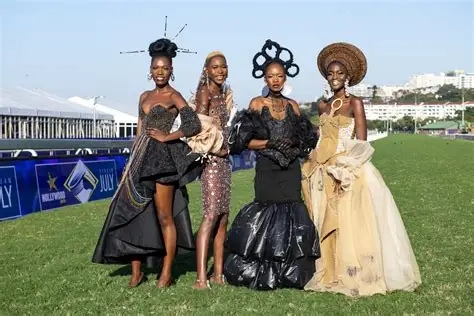
“South Africa’s fashion industry in 2026 is redefining global style by merging heritage-inspired prints, bold colour palettes, and futuristic streetwear. The Durban July 2026 showcase emphasized sustainability and cultural authenticity, positioning South Africa as a leader in innovative design.”
Fashion in South Africa has always been more than clothing—it is a mirror of culture, identity, and innovation. In 2026, the country’s fashion landscape is undergoing a dynamic transformation, blending heritage prints, bold colour palettes, and streetwear into a uniquely South African aesthetic. This evolution is not only shaping local wardrobes but also influencing global conversations about identity, sustainability, and digital culture.
Colour Trends Defining 2026
- Earthy Neutrals: Shades like sand, stone, and soft brown dominate collections, grounding them in South Africa’s natural landscapes.
- Jewel Tones: Emerald green, sapphire blue, and ruby red inject vibrancy, appearing in sneakers, jackets, and semi-formal wear.
- Metallics: Chrome silver and rose gold reflect digital culture, connecting fashion to music videos and online aesthetics.
- Pastels: Soft pinks and sage greens balance boldness, especially in summer collections.
These palettes illustrate how designers are blending local identity with global relevance, ensuring South African fashion remains distinctive yet adaptable.
Prints and Patterns
- Animal Prints with Neon Updates: Leopard and zebra motifs are reimagined with electric overlays, transforming classic designs into futuristic streetwear statements.
- Heritage Patterns: Ndebele and other African motifs dominate collections, reinforcing cultural pride and authenticity.
- Graphic Streetwear: Oversized hoodies and bomber jackets feature bold, experimental graphics, appealing to younger audiences.
This fusion of heritage and futurism positions South Africa as a hub of innovative design.
Streetwear as Cultural Backbone
Streetwear remains the heartbeat of South African youth fashion. Unlike rigid international runway cycles, local streetwear thrives on adaptability—minimalist one season, explosive with colour the next. Influenced by Amapiano culture, oversized silhouettes, layered jewellery, and statement sunglasses dominate nightlife and social media aesthetics. Streetwear is not just clothing but a cultural marker of identity and rebellion.
Sustainability at the Core
The Durban July 2026 showcase placed sustainability front and center:
- Biodegradable textiles: Cape Town labels experimented with fabrics designed to decompose naturally.
- Upcycled denim: Johannesburg streetwear brands repurposed sneakers and denim, proving circular fashion can be stylish.
- Natural textures: Linen, hemp, and organic cotton dominated collections, reinforcing eco-conscious aesthetics.
South Africa’s sustainable fashion market is projected to reach USD 680.66 million by 2033, growing at a CAGR of 25.27% from 2026.
Designer Highlights
- Gert-Johan Coetzee unveiled couture gowns merging countryside motifs with avant-garde precision.
- Emerging designers introduced neon-updated animal motifs and metallic fabrics, symbolizing the fusion of heritage and futurism.
- Streetwear labels showcased oversized silhouettes and bold graphics, reinforcing youth-driven dominance.
Influencer Narratives
Influencers amplified the sustainability message:
- Thobeka “Thobi Rose” Mthembu and Juicy Jay Jwacu embraced countryside authenticity by road-tripping from Johannesburg to Durban, turning their journey into a sustainable fashion statement.
- Somizi Mhlongo and Zola Mhlongo arrived via private jet, embodying luxury interpretations of “Country Allure.”
Their contrasting narratives highlighted the tension between authentic rural engagement and luxury spectacle, sparking debate about the balance between heritage and modernity.
Conclusion
South Africa’s 2026 fashion trends are a testament to the country’s ability to merge heritage authenticity with futuristic creativity. By emphasizing sustainability, cultural pride, and bold aesthetics, South African designers are not only shaping local wardrobes but also influencing global fashion conversations. The Durban July 2026 showcase proved that fashion in South Africa is more than glamour—it is a cultural manifesto for identity, sustainability, and innovation.



