




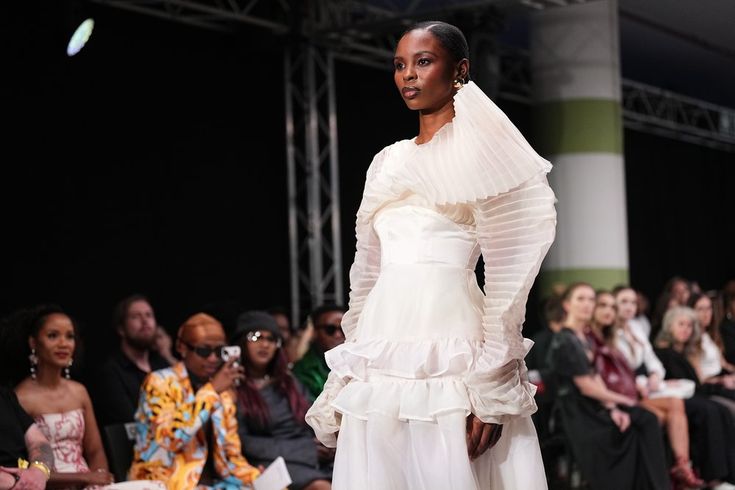
“South Africa’s fashion scene in 2026 is dominated by oversized streetwear silhouettes, heritage-inspired prints, and minimalist quiet luxury, reshaping both local wardrobes and global style narratives. These trends are deeply intertwined with Amapiano music, nightlife culture, and digital aesthetics, making South African fashion a powerful cultural export.”
Fashion in South Africa has always been more than clothing—it is a mirror of culture, identity, and innovation. In 2026, this mirror reflects oversized silhouettes, heritage prints, and quiet luxury, reshaping both local and global conversations. These trends are deeply intertwined with music, digital aesthetics, and cultural pride, making South African fashion a powerful voice in global style narratives.
Oversized Streetwear: The Youth Uniform
Across Johannesburg, Cape Town, Durban, and Pretoria, baggy cargos, roomy hoodies, bomber jackets, and relaxed fits dominate youth wardrobes. Oversized silhouettes symbolize comfort, inclusivity, and gender-fluidity. Unlike rigid international runway cycles, South African streetwear thrives on adaptability—minimalist one season, explosive with colour the next. Sneaker culture, layered jewellery, and statement sunglasses amplify individuality. Social media platforms like TikTok and Instagram have become the runway, allowing youth to showcase their looks globally.
Influence of Amapiano Culture
Amapiano, once just a music genre, has evolved into a fashion lifestyle marker. Sneakers, layered jewellery, statement sunglasses, and matching sets define this aesthetic. The rise of “luxe township fashion” blends designer bags with cargos, sportswear with tailored jackets, and sneakers with formal pieces. Nightlife culture, especially Amapiano events, has become the testing ground for new styles. What is worn in clubs and concerts often sets the tone for mainstream fashion. This fusion of sound and style has created a uniquely South African aesthetic that resonates internationally.
Heritage Prints and Cultural Identity
At the heart of 2026’s trends are Ndebele and Zulu-inspired motifs, reimagined into modern silhouettes. Designers incorporate beadwork, geometric patterns, and traditional colour schemes into gowns, streetwear, and accessories. Even animal prints like leopard and zebra are updated with neon overlays, blending tradition with futurism. These prints are more than decorative—they are statements of belonging, pride, and creativity. This revival of heritage prints reinforces cultural pride while appealing to international audiences.
Quiet Luxury and Minimalism
Quiet luxury, defined by understated elegance and premium fabrics, has gained traction among South Africa’s urban elite. Unlike flashy displays of wealth, quiet luxury emphasizes craftsmanship, subtle branding, and timeless design. This movement aligns with global sustainability trends, encouraging investment in fewer but higher-quality pieces. South African designers are merging quiet luxury with local aesthetics, creating garments that are both globally relevant and culturally rooted.
Digital Aesthetics and Global Reach
Social media has amplified South Africa’s fashion voice. TikTok challenges, Instagram reels, and digital lookbooks have transformed local designers into global influencers. Digital aesthetics—filters, augmented reality try-ons, and virtual fashion shows—are now integral to the industry. This digital-first approach ensures that South African fashion is not confined to local runways but is showcased on global platforms.
Economic and Cultural Impact
The rise of these trends has significant economic implications. Streetwear brands are thriving, heritage prints are boosting textile industries, and quiet luxury is attracting international buyers. Fashion tourism is also on the rise, with visitors flocking to South Africa to experience its vibrant style culture. Culturally, these trends reinforce national pride and identity, positioning South Africa as a leader in global fashion innovation.
Conclusion
South Africa’s 2026 fashion trends—oversized streetwear, heritage prints, and quiet luxury—are more than style choices; they are cultural statements. Intertwined with Amapiano music, digital aesthetics, and sustainability, these trends reflect a nation that is both proud of its heritage and forward-looking in its innovation. As South African fashion continues to gain global recognition, it stands as a testament to the power of culture, creativity, and identity in shaping the future of style.



