




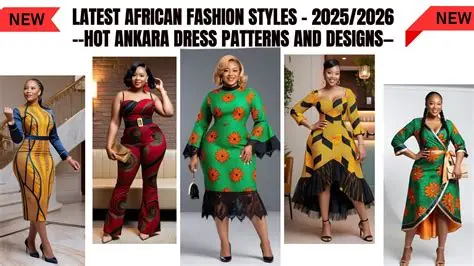
“South African fashion in 2026 is defined by oversized streetwear, heritage-inspired prints, and bold colour palettes, with Amapiano culture driving identity-driven styles. Meanwhile, “quiet luxury” offers a minimalist counterbalance, signaling a dynamic transformation in both local and global fashion narratives.”
Fashion in South Africa has always been more than clothing—it is a mirror of culture, identity, and innovation. In 2026, this mirror reflects a dynamic transformation where streetwear, heritage prints, and bold colour palettes converge to create a uniquely South African aesthetic. This evolution is not only shaping local wardrobes but also influencing global conversations about identity, sustainability, and digital culture.
Streetwear as the Cultural Backbone
Oversized streetwear continues to dominate youth fashion across Johannesburg, Cape Town, Durban, and Pretoria. Baggy cargos, roomy hoodies, bomber jackets, and relaxed silhouettes are everywhere—from university campuses to Amapiano nightlife events. Unlike rigid international runway cycles, South African streetwear thrives on adaptability—minimalist one season, explosive with colour the next. It is comfortable, expressive, gender-fluid, and easy to style, making it the heartbeat of South African youth fashion.
Influence of Amapiano Culture
Amapiano is no longer just music—it’s fashion culture. The genre continues influencing sneakers, luxury streetwear, layered jewellery, statement sunglasses, and matching sets. This synergy between music and fashion has created a new aesthetic: luxe township fashion blending designer bags with cargos, sportswear with tailored jackets, and sneakers with formal pieces. The result is a fusion of global luxury and local identity, redefining what it means to dress with cultural pride.
Heritage Prints and Cultural Identity
At the heart of this year’s trends are Ndebele and Zulu-inspired motifs, reimagined into modern silhouettes. Designers incorporated beadwork, geometric patterns, and traditional colour schemes into gowns, streetwear, and accessories. This revival of heritage prints reinforces cultural pride while appealing to international audiences, ensuring South African fashion remains distinctive in a homogenized global market. Animal prints also received futuristic updates, with leopard and zebra motifs layered with neon overlays, blending tradition with futurism.
Colour Trends Defining 2026
- Earthy Neutrals: Shades like sand, stone, and soft brown dominate collections, grounding them in South Africa’s natural landscapes.
- Jewel Tones: Emerald green, sapphire blue, and ruby red inject vibrancy, appearing in sneakers, jackets, and semi-formal wear.
- Metallics: Chrome silver and rose gold reflect digital culture, connecting fashion to music videos and online aesthetics.
- Pastels: Soft pinks and sage greens balance boldness, especially in summer collections.
These palettes illustrate how designers are blending local identity with global relevance, ensuring South African fashion remains distinctive yet adaptable.
Quiet Luxury Movement
Even though bold streetwear dominates, quiet luxury fashion has become extremely popular online. Neutral tones, tailored silhouettes, and minimal branding define this movement. It appeals to professionals and older demographics who prefer understated elegance over loud statements. This duality—streetwear for youth, quiet luxury for professionals—demonstrates the versatility of South African fashion.
Sustainability and Innovation
Eco-conscious design is increasingly central. Many designers are experimenting with recycled fabrics, organic cotton, and innovative dyeing techniques to reduce environmental impact. Sustainable streetwear is not only a trend but a necessity, aligning South African fashion with global sustainability goals.
Global Influence
South Africa’s fashion trends are now influencing international markets. From London to New York, designers are borrowing from Amapiano-inspired aesthetics and heritage prints. This global recognition underscores the country’s growing role as a trendsetter in identity-driven fashion.
Conclusion
South Africa’s 2026 fashion landscape is a vibrant mix of oversized streetwear, heritage prints, bold colour palettes, and quiet luxury. It reflects cultural pride, sustainability, and global relevance, positioning South Africa as a leader in redefining fashion for the modern era.



