




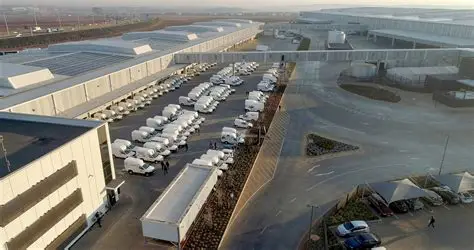
“South Africa’s industrial property sector is experiencing a logistics-driven boom in 2026, with Gauteng and the N3 corridor emerging as prime hubs for warehouse and distribution investments. E-commerce growth, port upgrades, and supply chain reconfiguration are tightening vacancies and compressing yields, making industrial real estate the star performer of the commercial property market.”
South Africa’s industrial real estate sector has entered 2026 with remarkable momentum, positioning itself as the backbone of the country’s commercial property resurgence. The logistics-driven boom is reshaping investment strategies, redefining property yields, and cementing industrial assets as critical infrastructure for both national and continental trade. This transformation is particularly evident in Gauteng, Durban, and Cape Town, where logistics corridors are experiencing unprecedented demand for modern warehouses and distribution hubs.
Key Drivers of Growth
- E-commerce Warehousing: Online retail penetration continues to accelerate, requiring temperature-controlled and last-mile facilities near major population centers.
- N3 Corridor Logistics: The Durban–Johannesburg freight artery is being upgraded with interchanges, truck stops, and logistics parks, attracting speculative developments in Hammarsdale, Pinetown, and Harrismith.
- Port & Rail Upgrades: Investments in Durban and Richards Bay terminals, alongside private inland logistics hubs, are enabling larger distribution centers and container parks.
- Supply Chain Reconfiguration: Manufacturers and importers are adopting “just-in-case” inventory strategies, increasing demand for cross-dock and medium-term storage facilities.
Market Performance
- Vacancy Rates: National vacancies have dropped below 5%, signaling robust absorption.
- Rental Growth: Cape Town’s logistics corridors are seeing rental growth of 8.4% year-on-year, with last-mile sites near Sandton and Midrand achieving premium yields of 6–7%.
- Investor Confidence: REITs are reporting strong returns, and auctions are gaining traction as transparent transaction channels.
Regional Highlights
- Gauteng: Industrial land parcels remain the highlight, given the province’s role as South Africa’s economic hub.
- KwaZulu-Natal: Redevelopment sites in Durban are attracting strong bids, driven by infrastructure upgrades and port expansion.
- Western Cape: Logistics corridors near Cape Town continue to be in demand, particularly for lifestyle-driven residential and mixed-use projects.
Strategic Importance
Industrial property is increasingly viewed as resilient and scalable, aligning with global supply chain trends. South Africa’s role as a logistics hub for the African continent is being reinforced by its ports, rail corridors, and highways, which support industrial absorption and regional trade.
Risks and Challenges
- Currency Volatility: Rand fluctuations remain a concern for foreign investors.
- Infrastructure Bottlenecks: Despite upgrades, congestion at ports and highways can still disrupt logistics flows.
- Regulatory Hurdles: Zoning and land use regulations continue to pose challenges for developers.
Conclusion
South Africa’s industrial real estate sector in 2026 is not just thriving—it is redefining the country’s commercial property landscape. With logistics corridors tightening, yields compressing, and investor confidence surging, industrial property has become the star performer of the market. The sector’s resilience, scalability, and alignment with global supply chain strategies ensure that it will remain a cornerstone of South Africa’s economic future.



