




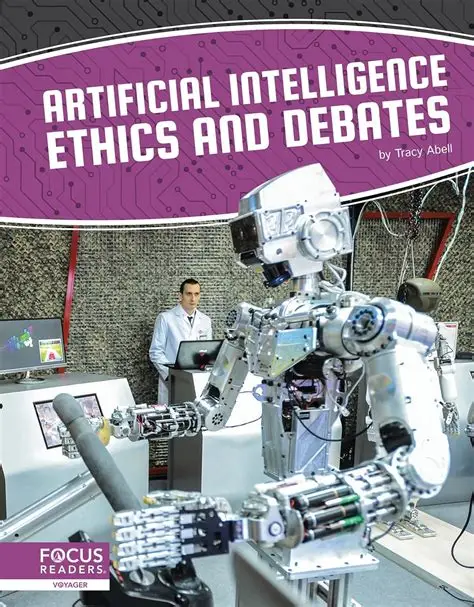
“The South African government has withdrawn its Draft National Artificial Intelligence Policy 2026 after revelations that the document contained fabricated AI‑generated references. The scandal has ignited national debate on the credibility of AI in policymaking, the risks of unchecked automation, and the urgent need for ethical governance frameworks.”
Artificial Intelligence (AI) has rapidly become a cornerstone of technological transformation worldwide, and South Africa has been no exception. However, the withdrawal of the Draft National AI Policy 2026 following a scandal involving fake AI‑generated citations has thrown the country’s AI ambitions into turmoil. This incident raises critical questions about governance, ethics, and the role of AI in shaping public policy.
Background of the Policy
The Draft National AI Policy 2026 was introduced by the Department of Communications and Digital Technologies (DCDT) as a framework to guide responsible AI adoption across public and private sectors. Its goals included:
- Ensuring ethical innovation
- Protecting public interest and rights
- Advancing social and economic transformation
- Establishing new regulatory bodies for AI oversight
The policy was published for public comment in April 2026, after years of consultations and summits involving government, academia, and industry stakeholders.
The Scandal
In late April 2026, Minister Solly Malatsi withdrew the policy after it was discovered that several references in the document were fabricated by AI systems. These hallucinated citations undermined the credibility of the entire framework. Critics argued that the reliance on AI without adequate human oversight demonstrated the very risks the policy was supposed to mitigate.
Public Reaction
- Academia: Universities condemned the use of fake citations, warning that it erodes trust in research and policymaking.
- Industry: Tech companies expressed concern about regulatory uncertainty, fearing delays in AI adoption.
- Civil Society: Advocacy groups highlighted the dangers of AI misuse, calling for stronger transparency and accountability mechanisms.
Implications for Governance
The scandal underscores the fragility of trust in AI systems. If policymakers themselves fall victim to AI hallucinations, how can citizens trust AI in critical areas such as healthcare, justice, or finance? The incident has accelerated calls for:
- Independent oversight bodies to monitor AI use in government.
- Mandatory human review of AI‑generated content in official documents.
- Ethical AI standards aligned with international norms.
Economic Impact
South Africa has positioned AI as a driver of economic growth, particularly in sectors like finance, agriculture, and healthcare. The withdrawal of the policy creates uncertainty for investors and startups. Without clear regulations, businesses may hesitate to adopt AI solutions, slowing innovation and competitiveness.
International Context
Globally, countries such as the EU, US, and China are advancing comprehensive AI regulations. South Africa’s withdrawal of its draft policy risks leaving it behind in the global AI race. Moreover, the scandal may damage its reputation as a trustworthy partner in international AI collaborations.
Lessons Learned
- Human Oversight is Non-Negotiable: AI can assist in drafting policies, but human experts must validate outputs.
- Transparency Builds Trust: Governments must disclose when AI tools are used in policymaking.
- Ethics Must Guide Innovation: Without ethical safeguards, AI risks undermining democracy and public trust.
Future Outlook
Despite the setback, the scandal could serve as a turning point. By acknowledging the risks and strengthening governance, South Africa has an opportunity to rebuild credibility and lead in ethical AI adoption. A revised policy, free from AI‑generated errors, could emerge stronger and more resilient.
Conclusion
The withdrawal of South Africa’s Draft National AI Policy 2026 highlights both the promise and peril of Artificial Intelligence. While AI offers transformative opportunities, its misuse—even in policymaking—can erode trust and stall progress. The scandal is a wake‑up call: South Africa must balance innovation with ethics, ensuring that AI serves society responsibly.



