




“The South African government has withdrawn its Draft National Artificial Intelligence Policy 2026 after revelations that the document contained fabricated AI-generated citations. The scandal has ignited national debate over ethical AI use, regulatory oversight, and the country’s readiness to govern transformative technologies.”
Artificial Intelligence (AI) continues to reshape economies, societies, and governance worldwide. In South Africa, the urgency to regulate AI culminated in the Draft National AI Policy 2026, a framework designed to ensure responsible innovation, safeguard public interest, and align technological adoption with constitutional values. However, the policy was abruptly withdrawn in April 2026 after it was discovered that several references in the document were fabricated by AI systems. This scandal has triggered widespread debate about the credibility of AI-driven policymaking, the risks of overreliance on generative systems, and the future of AI governance in South Africa.
Background of the Policy
- Origins: The policy process began with the National AI Summit in April 2024, where stakeholders from academia, industry, and government discussed the need for a unified AI framework.
- Framework: By August 2024, a National AI Policy Framework was published, receiving 32 submissions from diverse sectors.
- Approval: On February 24, 2026, the Department of Communications and Digital Technologies (DCDT) confirmed the draft had cleared socio-economic impact assessments and was approved by Cabinet for public comment.
- Publication: The final draft was gazetted on April 10, 2026, only to be withdrawn two weeks later.
The Scandal
The withdrawal was prompted by revelations that the draft contained AI-hallucinated citations—references to non-existent studies and reports. This undermined the credibility of the policy and raised concerns about the unchecked use of generative AI in official government processes. Minister Solly Malatsi announced the withdrawal, citing the need to restore public trust and prevent misinformation from shaping national legislation.
Implications for Governance
- Trust in AI Systems: The scandal highlights the dangers of relying on AI without robust verification mechanisms.
- Policy Vacuum: With the withdrawal, South Africa lacks a comprehensive national AI policy, leaving industries uncertain about regulatory expectations.
- Global Reputation: The incident may affect South Africa’s standing in international AI governance forums, where credibility and transparency are paramount.
Stakeholder Reactions
- Academia: Universities criticized the reliance on AI-generated content, urging a return to human-led peer review.
- Industry: Tech companies expressed frustration, noting that regulatory uncertainty hampers investment and innovation.
- Civil Society: Advocacy groups emphasized the need for ethical safeguards to prevent AI misuse in governance.
Broader Context
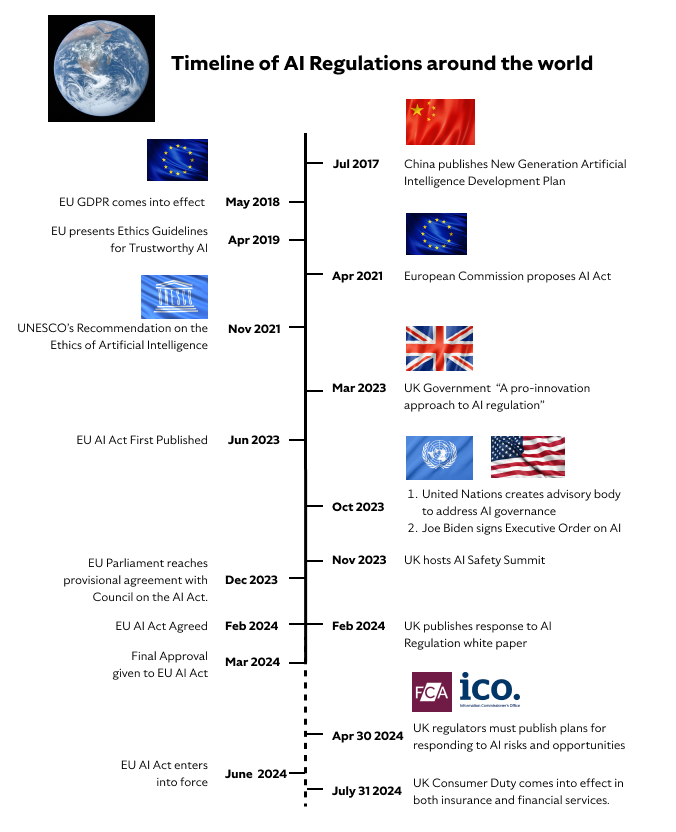
Globally, countries are racing to establish AI regulations. The European Union’s AI Act and the United States’ AI Bill of Rights serve as benchmarks. South Africa’s withdrawal underscores the challenges of balancing innovation with accountability, especially in emerging economies where resources for verification may be limited.
Path Forward
Experts recommend:
- Independent Review Panels to validate AI-generated content.
- Transparency Requirements for AI use in policymaking.
- Capacity Building to train officials in AI literacy.
- Public Engagement to ensure policies reflect societal values.
Conclusion
The withdrawal of South Africa’s Draft National AI Policy 2026 is more than a bureaucratic setback—it is a wake-up call about the risks of uncritical AI adoption in governance. As the country reconsiders its approach, the scandal may ultimately strengthen future policies by embedding stricter safeguards, transparency, and accountability. The incident also positions South Africa at the center of a global conversation about how nations can responsibly harness AI while protecting democratic integrity.



