




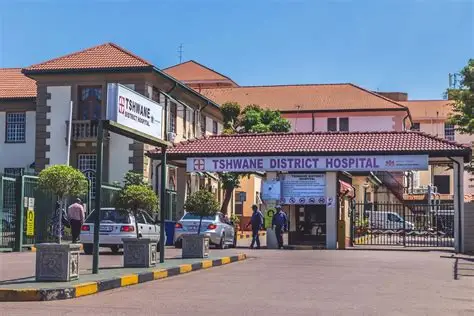
“South Africa’s Department of Health has admitted that more than 1,500 medical posts remain vacant, while thousands of doctors who completed community service in 2025 are still unemployed. The crisis underscores systemic failures in workforce planning, leaving hospitals understaffed and communities underserved.”
South Africa’s healthcare system is grappling with a deepening workforce crisis. Despite producing thousands of qualified doctors annually, the country has failed to absorb them into the public health sector. As of March 2026, 1,518 medical posts remain vacant, leaving hospitals understaffed and communities vulnerable.
The Scale of the Problem
- Vacant posts by province: Limpopo (360), Gauteng (280), KwaZulu-Natal (246), North West (209), Western Cape (147), Free State (95), Eastern Cape (88), Mpumalanga (51), Northern Cape (42).
- Doctors in limbo: 1,891 doctors completed community service in 2025, yet many remain unemployed.
- Recruitment gap: The Department of Health admitted it does not keep a register of unemployed doctors, making workforce planning nearly impossible.
Human Impact
Doctors report applying for 30–50 positions without receiving interviews or feedback. Many have resorted to locum work in emergency departments or private practices, while rural hospitals remain critically understaffed. Patients in underserved provinces face long waiting times, delayed surgeries, and reduced access to essential care.
Systemic Failures
- No centralized database: The Department of Health lacks a system to track unemployed healthcare professionals.
- Budget constraints: Less than 5% of the national health budget is allocated to workforce expansion.
- Policy inefficiencies: Recruitment processes are slow, and provincial departments struggle to fill posts despite available funding.
Provincial Breakdown
- Limpopo: Worst affected, with 360 vacancies. Rural communities face severe shortages of general practitioners and specialists.
- Gauteng: Despite being the economic hub, 280 posts remain unfilled, straining urban hospitals.
- KwaZulu-Natal: 246 vacancies, impacting both rural and peri-urban areas.
- Western Cape: 147 vacancies, though private healthcare partially offsets the crisis.
Voices from the Frontline
A 27-year-old doctor from the Eastern Cape shared his frustration: “I applied for nearly 50 posts since completing community service, but I haven’t received a single interview. I’ve had to move to Johannesburg and rely on locum work to survive.”
Government Response
The Department of Health insists that provinces continue to advertise and recruit against funded vacant posts. Officials claim that reviewing conditions-of-service policies may improve efficiency and free up resources to hire more doctors. However, critics argue that without a national workforce strategy, these measures will remain inadequate.
Broader Public Health Implications
- Patient care delays: Longer waiting times for surgeries and specialist consultations.
- Burnout among existing staff: Overworked doctors and nurses face mental health challenges.
- Equity concerns: Rural provinces suffer disproportionately, widening the urban-rural healthcare divide.
Expert Opinions
Health policy analysts warn that the crisis could worsen unless urgent reforms are implemented. They recommend:
- Establishing a national register of unemployed doctors.
- Increasing budget allocations for workforce expansion.
- Streamlining recruitment processes to reduce bureaucratic delays.
- Incentivizing doctors to work in rural and underserved areas.
Conclusion
South Africa’s healthcare crisis is not merely about numbers—it is about lives. With more than 1,500 posts vacant and thousands of doctors unemployed, the system is failing both its workforce and its patients. Unless urgent reforms are enacted, the country risks deepening inequalities and compromising the health of millions.



