




“South Africa’s hospitality industry is experiencing unprecedented growth in 2026, fueled by visa-free entry, booming safari tourism, and expanded flight connectivity. Luxury lodges, urban hotels, and wine estates are reporting record occupancy, redefining the nation’s travel identity.”
South Africa’s hospitality sector has entered a golden era in 2026, marking one of the most dynamic rebounds in its modern history. After years of pandemic-related challenges, the industry is now thriving, with international arrivals surging by 12.8% between January and May 2026, totaling 4.22 million visitors in just five months. This remarkable growth is reshaping the travel economy, positioning South Africa as a global powerhouse in tourism and hospitality.
Visa-Free Entry Policies
One of the most transformative developments fueling this boom is the expansion of visa-free entry. South Africa now welcomes travelers from major markets including the UK, Germany, Brazil, Australia, and the United States, significantly reducing barriers for millions of tourists. Hospitality operators report that simplified entry procedures have directly boosted hotel bookings and safari lodge reservations, making the country more accessible than ever.
Safari Tourism Boom
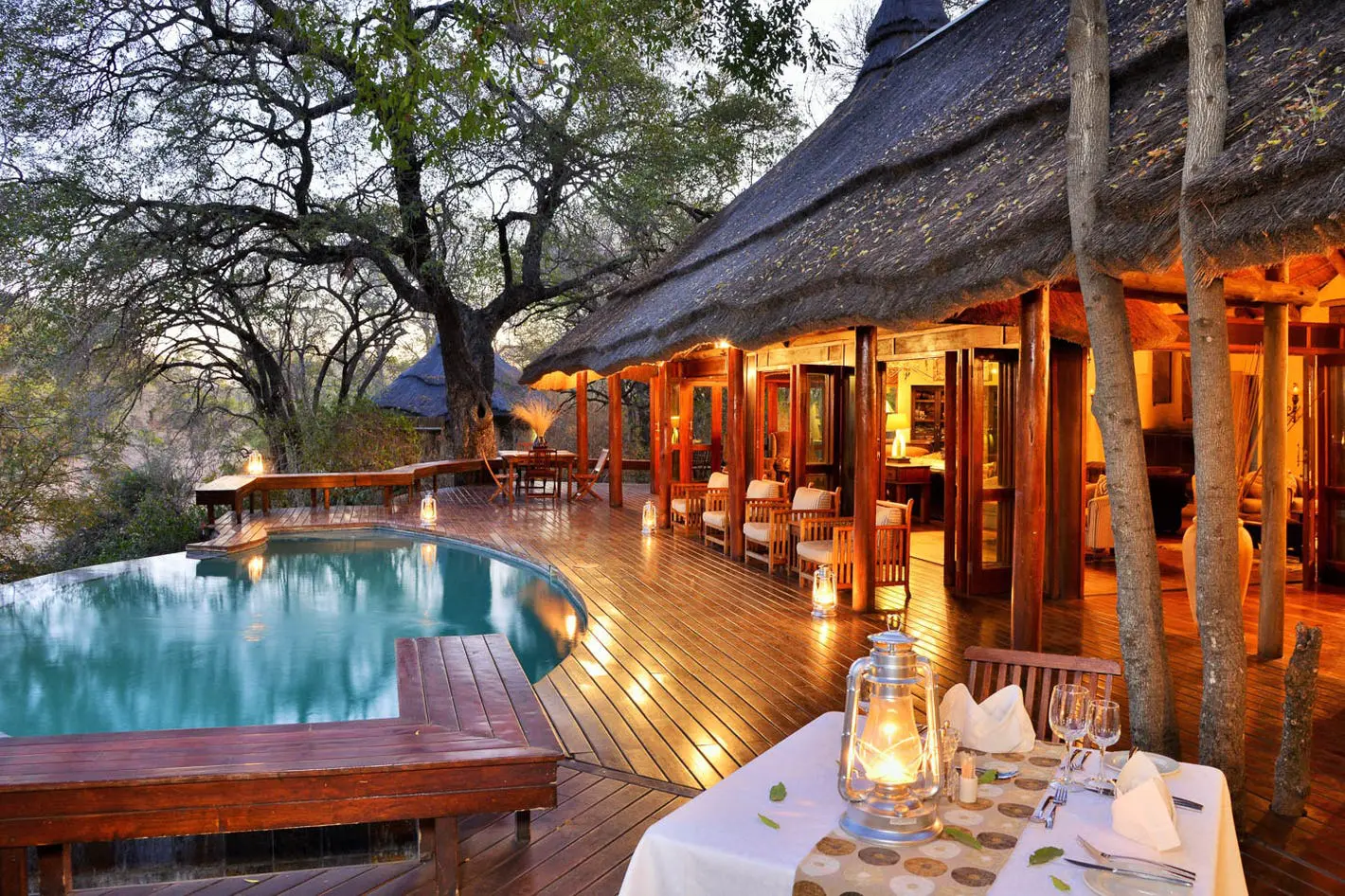
Safari tourism remains the cornerstone of South Africa’s appeal. Kruger National Park and Pilanesberg National Park are experiencing record demand, with luxury lodges reporting near-full occupancy. Properties such as Royal Malewane’s Masiya’s Camp are redefining safari experiences by blending conservation with ultra-exclusive hospitality. Guests enjoy immersive wildlife encounters alongside gourmet dining and personalized service, creating a dual emphasis on adventure and luxury.
Urban Luxury and Cultural Attractions
Beyond the wilderness, South Africa’s urban centers are thriving. Cape Town continues to dominate global travel media with its dramatic Table Mountain backdrop, pristine beaches, and vibrant culinary scene. Meanwhile, Johannesburg is undergoing a hospitality renaissance, with new developments such as the Park Hyatt Johannesburg catering to both business and leisure travelers. These cities showcase South Africa’s ability to balance modern luxury with cultural depth.
Wine and Coastal Experiences
The Cape Winelands, particularly Stellenbosch and Franschhoek, remain integral to South Africa’s tourism identity. Award-winning wines, scenic vineyards, and gourmet dining experiences attract connoisseurs worldwide. Alongside this, the Garden Route and Indian Ocean coastline provide breathtaking landscapes, whale-watching opportunities, and seaside escapes that rival Mediterranean destinations. These regions highlight South Africa’s versatility, offering both inland cultural immersion and coastal relaxation.
Air Connectivity and Infrastructure
Improved international flight connectivity has been another driver of growth. Airlines have expanded direct routes to Johannesburg, Cape Town, and Durban, making travel more convenient. Increased accessibility has encouraged short-term visits and multi-destination itineraries, further boosting hotel occupancy rates.
Economic Impact
The hospitality market, valued at USD 12.19 billion in 2026, is forecast to reach USD 16.34 billion by 2031, registering a 6.05% CAGR. This growth is underpinned by international tourism recovery, rising domestic travel, and the resurgence of business events. Corporate travelers are increasingly blending work and leisure, a trend known as “bleisure travel,” creating new opportunities for hotels near major attractions.
Digital Transformation and Sustainability
Hotels are investing heavily in digital booking platforms, mobile apps, and AI-driven recommendations to enhance customer engagement. Sustainability is also emerging as a defining trend, with eco-lodges and green-certified hotels gaining popularity among environmentally conscious travelers.
Conclusion
South Africa’s hospitality industry in 2026 is not just rebounding—it is thriving. With visa-free entry, booming safari tourism, urban luxury, and expanded connectivity, the nation is redefining its global travel identity. As the market continues to grow, South Africa is poised to remain one of the most dynamic and diverse destinations worldwide, offering travelers a unique blend of adventure, culture, and luxury.



