




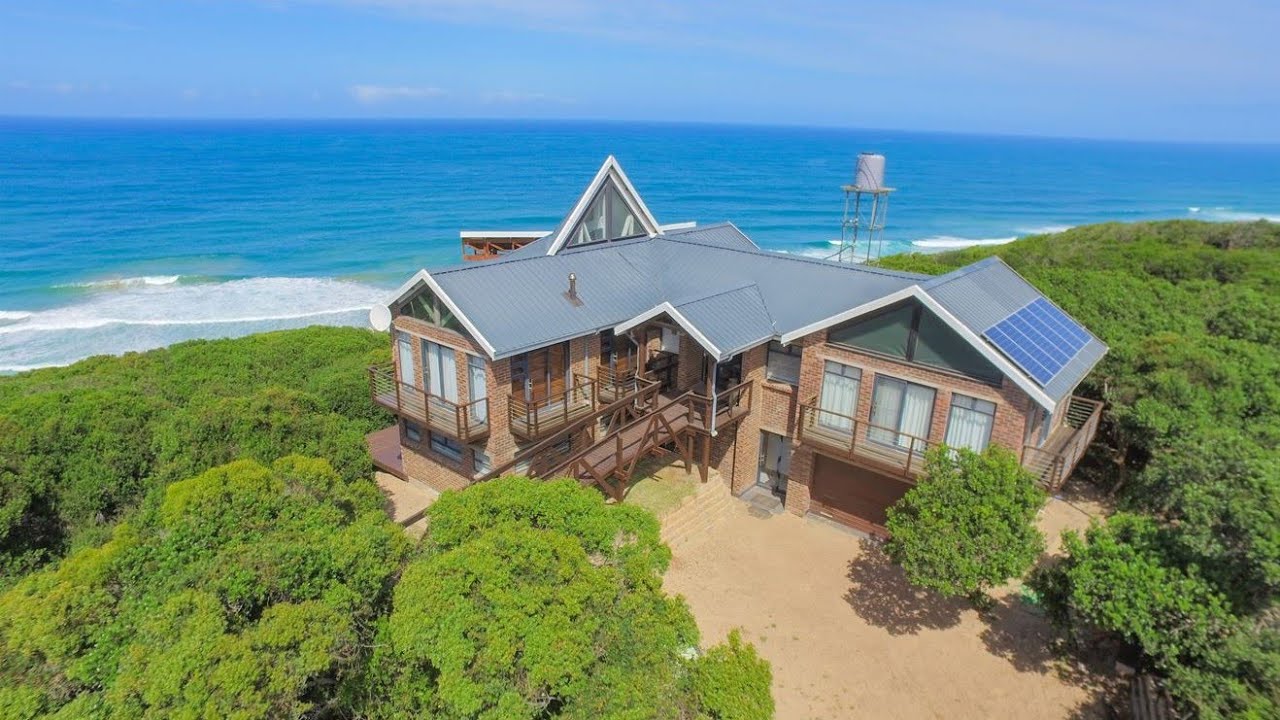
“South Africa’s real estate development sector in August 2026 is showing resilience, with property prices rising 5–7% year-on-year despite inflationary pressures. Affordable housing demand, semigration to coastal provinces, and stable interest rates are fueling growth, while regional disparities highlight challenges in affordability.”
South Africa’s real estate development market has entered August 2026 with remarkable resilience, defying inflationary pressures and global economic uncertainty. National property prices have grown between 5–7% year-on-year, signaling strong fundamentals in the sector. The South African Reserve Bank’s (SARB) decision to maintain the repo rate at 7.00% and the prime lending rate at 10.50% has created a stable borrowing environment, reassuring developers, investors, and buyers alike.
Interest Rate Stability and Investor Confidence
Stable interest rates are a cornerstone of the current property landscape. Developers benefit from predictable borrowing costs, enabling long-term planning and reducing risk. Banks such as Absa, FNB, and Standard Bank are offering competitive mortgage packages, further boosting confidence. This environment has encouraged investment in mixed-use developments, residential projects, and industrial land expansion.
Regional Dynamics
- Western Cape (Cape Town): Average property prices stand at R3.35 million, far above the national average of R1.95 million. Semigration from Gauteng and KwaZulu-Natal continues to fuel demand, particularly in lifestyle-driven areas.
- Garden Route (George, Knysna): Land values are appreciating at 6.5% annually, driven by lifestyle appeal and migration from inland provinces.
- Gauteng: Growth remains modest at 2.8%, but mixed-use developments and industrial land are gaining traction.
- KwaZulu-Natal: Industrial expansion, particularly in logistics and warehousing, is reshaping the Cornubia Industrial Park.
- Mpumalanga & Limpopo: Smaller industrial parks are emerging to support regional manufacturing and agricultural processing.
Affordable Housing Demand
The affordable housing segment, defined as properties below R1.2 million, remains the most active. Demand consistently outstrips supply, with first-time buyers aged 25–34 entering the market confidently. Confidence levels among younger buyers have reached 90%, signaling a generational shift in property ownership. Developers are racing to secure vacant plots in peri-urban areas, accelerating housing projects in high-density suburbs.
International Investment
Foreign buyers from Europe and Asia are increasingly investing in South African land, particularly coastal properties. Favorable exchange rates and lifestyle appeal make South Africa an attractive destination for long-term investment. This influx of international capital is expected to further stimulate demand in premium coastal regions, reinforcing the resilience of the sector.
Challenges Facing the Sector
- Inflationary Pressures: Rising costs of construction materials and utilities continue to strain affordability.
- Regional Inequality: Cape Town’s high property prices contrast sharply with Gauteng’s modest growth, highlighting disparities in affordability.
- Supply Constraints: Developers face challenges in securing land for affordable housing, particularly in peri-urban areas.
Policy and Governance
Municipal governance plays a critical role in shaping property values. Efficient service delivery and infrastructure investment are essential to sustaining growth. The government’s focus on affordable housing subsidies and urban planning reforms is expected to ease supply constraints, though implementation remains uneven across provinces.
Outlook for 2026–2027
The outlook for South Africa’s real estate development sector remains cautiously optimistic. Stable interest rates, strong demand for affordable housing, and international investment provide a solid foundation. However, inflationary pressures and regional disparities must be addressed to ensure inclusive growth. Developers are expected to focus on mixed-use projects, industrial expansion, and affordable housing initiatives to meet evolving market demands.
Conclusion
South Africa’s real estate development market in August 2026 demonstrates resilience and adaptability. With stable interest rates, strong demand for affordable housing, and growing international investment, the sector is well-positioned for continued growth. Yet, challenges such as inflation and regional inequality highlight the need for balanced policies and innovative development strategies.



