




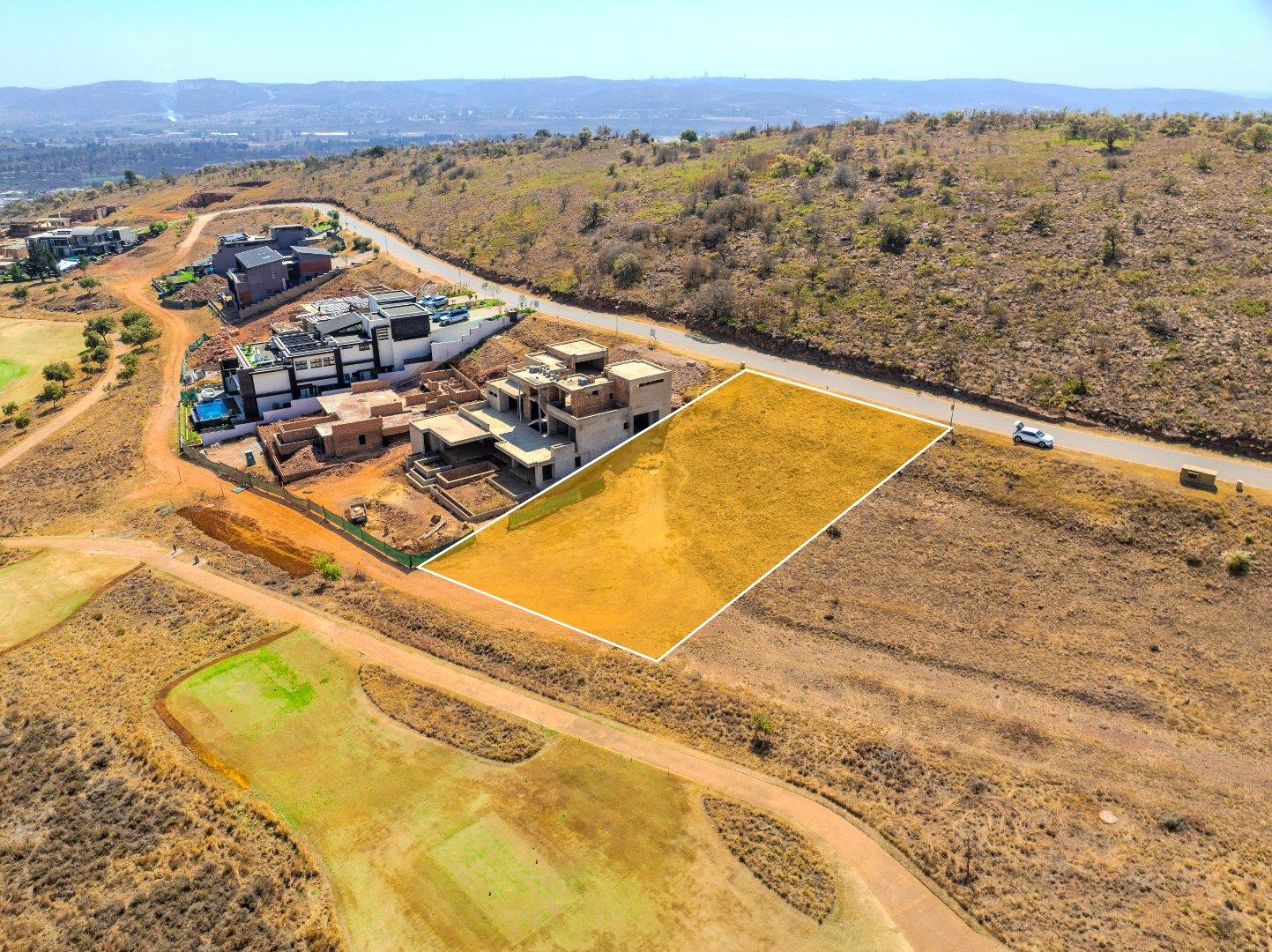
“South Africa is experiencing a surge in demand for vacant land as developers, institutions, and private investors race to secure sites for future industrial parks, logistics hubs, residential estates, and mixed-use precincts. The DBSA’s investment in student housing highlights how land development is not only reshaping cities but also improving access to education and social infrastructure.”
South Africa’s property market is entering a transformative phase, with vacant land emerging as one of the most strategic assets in 2026. Auctions, institutional investments, and municipal policies are converging to accelerate development across major cities. This trend reflects both economic imperatives and social priorities, positioning land as the foundation for sustainable growth.
Investor Frenzy for Vacant Land
- Vacant land demand has surged due to urban expansion in Johannesburg, Cape Town, and Durban.
- Investors view land as a value-creation asset, enabling them to shape future developments rather than merely acquiring existing properties.
- Auctions are becoming the preferred marketplace, connecting visionaries with opportunities.
DBSA’s Student Housing Initiative
- The Development Bank of Southern Africa (DBSA) invested R119.6 million in the University of the Free State Student Residence Programme.
- Delivered 520 student beds across Bloemfontein and Qwaqwa.
- Benefits include:
- Saving students R534 monthly in travel costs.
- Reclaiming 8 hours 40 minutes of commuting time each month.
- Improving academic performance and wellbeing.
Municipal Policies Driving Development
- Municipalities often charge higher property rates on vacant land to discourage speculation.
- This policy encourages owners to develop serviced land into homes, businesses, or industrial parks.
- It also helps municipalities recover infrastructure costs already invested in roads, water, and electricity.
Strategic Growth Corridors
- Infrastructure investments are reshaping urban growth corridors, particularly in Gauteng and the Western Cape.
- Logistics hubs, industrial parks, and mixed-use precincts are being prioritized to support urbanization.
- Semigration trends continue to boost demand in Cape Town and surrounding areas.
Social and Economic Impact
- Land development is not just about profit—it is about unlocking opportunities for communities.
- Student housing projects demonstrate how development can directly improve education access and social equity.
- Industrial and logistics developments are creating jobs and supporting South Africa’s integration into global supply chains.
Risks and Challenges
- Economic uncertainty and fluctuating interest rates remain a concern.
- Land reform debates continue to shape investor sentiment.
- Developers must balance profitability with sustainability and inclusivity.
Conclusion
South Africa’s land development boom represents a pivotal moment in the country’s real estate sector. Vacant land is no longer seen as idle—it is the canvas upon which the next generation of industrial, residential, and social infrastructure will be built. With auctions connecting investors to opportunities and institutions like the DBSA investing in people-centered projects, land development is driving both economic resilience and social progress.



