




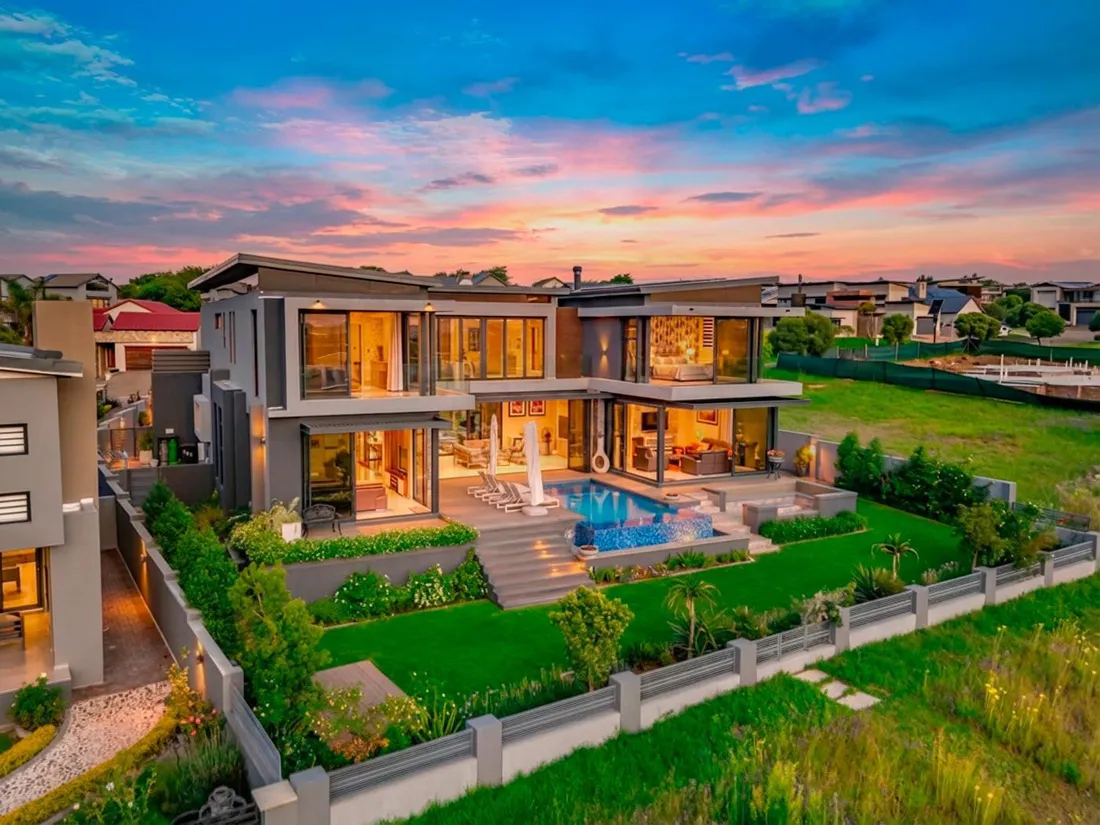
“South Africa’s land real estate sector in August 2026 is experiencing strong demand, particularly in peri-urban and agricultural zones, driven by semigration, renewable energy projects, and mixed-use developments. Developers and investors are racing to secure strategic plots, reshaping the property landscape and positioning land as the backbone of future growth.”
South Africa’s land real estate market has become one of the most dynamic sectors in 2026. With urban expansion, renewable energy projects, and semigration reshaping demand, land values are rising steadily across peri-urban and agricultural zones. Developers, investors, and municipalities are racing to secure strategic plots, signaling a new era in the country’s property landscape.
Key Drivers of Land Demand
- Semigration: Movement from Gauteng and KwaZulu-Natal to the Western Cape continues to fuel demand for residential and mixed-use land.
- Renewable Energy Projects: Solar and wind farms are expanding, requiring vast tracts of land in rural provinces.
- Agricultural Expansion: Rising global food demand is boosting investment in farmland.
- Mixed-Use Developments: Developers are converting peri-urban plots into integrated residential, commercial, and industrial hubs.
Regional Trends
| Region | Trend | Average Land Value Growth | Notes |
|---|---|---|---|
| Western Cape | Strongest growth | 9.5% | Driven by semigration and renewable energy projects |
| Gauteng | Moderate growth | 6.2% | Expansion of mixed-use developments and logistics hubs |
| KwaZulu-Natal | Stable demand | 5.8% | Agricultural land and port-linked logistics |
| Garden Route | Lifestyle-driven demand | 6.5% | Migration from inland provinces fuels appreciation |
Major developers are scaling up land acquisitions:
- Growthpoint Properties is investing in peri-urban plots for mixed-use projects.
- Redefine Properties is targeting agricultural land for renewable energy-linked developments.
- Fortress Real Estate Investments is securing logistics corridors near Gauteng.
These acquisitions are reshaping South Africa’s land market, creating opportunities for housing, industrial expansion, and sustainable energy.
Affordable Housing and Land Demand
The affordable housing segment (below R1.2 million) remains the most active, with demand consistently outstripping supply. First-time buyers aged 25–34 are entering the market with confidence levels reaching 90%, signaling a generational shift in property ownership. Developers are racing to secure peri-urban plots, where vacant land is increasingly competitive.
International Investment
Foreign buyers from Europe and Asia are investing in South African land, particularly coastal properties. Favorable exchange rates and lifestyle appeal make South Africa an attractive destination for long-term investment. This trend reinforces the premium status of Cape Town and Durban as international property hotspots.
Inflationary Pressures
While nominal growth remains strong, inflationary pressures temper real returns. Headline inflation reached 5% in June 2026, reducing real returns to just 0.2%. This has reintroduced caution among buyers who expected continued relief from interest rate cuts.
Risks and Challenges
- Inflation: Rising costs erode real returns.
- Municipal service delivery: Poor infrastructure in some regions affects property values.
- Land reform policies: Ongoing debates create uncertainty for investors.
Conclusion
South Africa’s land real estate market in August 2026 is a story of resilience and transformation. Demand for peri-urban and agricultural plots is surging, driven by semigration, renewable energy, and mixed-use developments. While risks remain, the sector is poised to become the backbone of South Africa’s property future, offering both opportunity and challenge in equal measure.



