




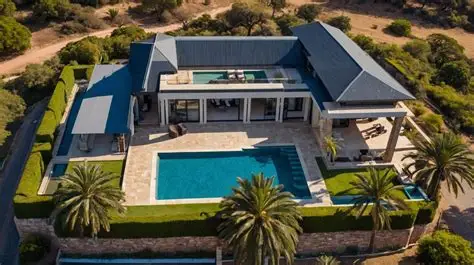
“South Africa’s real estate investment sector is experiencing renewed momentum in July 2026, with coastal regions like Cape Town and the Garden Route showing strong growth due to semigration and lifestyle-driven demand. Stable interest rates from the South African Reserve Bank are fostering investor confidence, though affordability remains a barrier for many households.”
South Africa’s real estate investment landscape in July 2026 reflects a delicate balance between affordability constraints and regional growth opportunities. With the South African Reserve Bank (SARB) maintaining the repo rate at 7.00% and the prime lending rate at 10.50%, investors and buyers are navigating a period of cautious optimism. This stability has created a predictable borrowing environment, encouraging renewed engagement in the property market.
National Trends
- Price Growth: National property prices have increased 3.2% year-on-year, signaling improved consumer sentiment.
- Affordability: Despite stable rates, affordability remains a hurdle, especially for first-time buyers.
- Bank Competition: Major banks including Absa, FNB, Nedbank, and Standard Bank are offering competitive home loan packages, intensifying rate shopping among buyers.
Regional Highlights
- Western Cape: Suburbs such as Bloubergstrand and Durbanville are experiencing 6.5% growth, driven by family home demand and short-term rental potential.
- Garden Route: Towns like George and Knysna report 5.8% appreciation, fueled by semigration from Gauteng and other provinces.
- Gauteng: Average growth is more modest at 2.1%, though niche nodes show resilience, particularly in areas with strong infrastructure.
Land Under Real Estate Dynamics
Land values are increasingly influenced by semigration trends, where buyers relocate from congested urban centers to coastal and lifestyle-rich regions. This has created a premium for land parcels in areas offering:
- Reliable infrastructure
- Access to lifestyle amenities
- Potential for mixed-use development
Investors are showing renewed interest in land acquisition, particularly in regions with tourism potential and short-term rental markets. The Western Cape’s Atlantic Seaboard and the Garden Route are prime examples where limited land availability is driving competitive bidding.
Investor Confidence
Investor sentiment is buoyed by:
- Stable interest rates providing predictability.
- Tourism-driven demand in coastal regions.
- Short-term rental opportunities in lifestyle-rich areas.
This confidence is reflected in increased land acquisitions and competitive bidding in high-demand regions.
Challenges
- Affordability Ceiling: Household budgets remain stretched, limiting access for lower-income buyers.
- Infrastructure Gaps: Regions with weaker municipal services struggle to attract sustained investment.
- Urban Pressure: Gauteng’s slower growth reflects challenges in balancing affordability with infrastructure demands.
Conclusion
South Africa’s real estate investment market in July 2026 is characterized by regional divergence: coastal areas thrive on semigration-driven demand, while affordability challenges persist in urban centers. For investors, the Western Cape and Garden Route present compelling opportunities, but long-term sustainability will depend on addressing infrastructure gaps and affordability constraints.



