




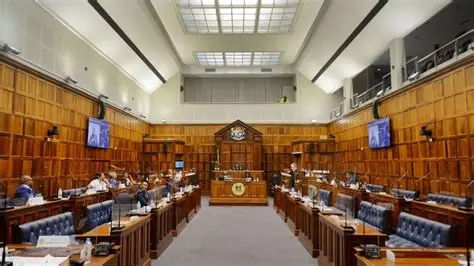
“Several critical bills in South Africa, including the Protection of State Information Bill and the National Gambling Amendment Bill, remain stalled in Parliament due to political disputes and procedural delays. The impasse underscores challenges in governance and raises questions about transparency, accountability, and the pace of reform.”
South Africa’s Parliament has entered the second half of 2026 with a legislative backlog that is drawing increasing scrutiny from civil society, business leaders, and political analysts. At the center of this gridlock are two controversial bills: the Protection of State Information Bill and the National Gambling Amendment Bill. Both measures have been debated extensively but remain stalled, reflecting broader tensions in the country’s political landscape.
Background on the Bills
- Protection of State Information Bill: Often referred to as the “Secrecy Bill,” this legislation seeks to regulate the classification of state information. Critics argue it could undermine press freedom and shield government misconduct from public scrutiny. Supporters insist it is necessary to protect national security.
- National Gambling Amendment Bill: This bill aims to tighten regulations on gambling, addressing concerns about addiction, illegal betting, and the need for stronger oversight of online platforms. However, industry stakeholders warn that overly restrictive measures could harm economic growth and job creation.
Parliamentary Process and Stalemate
South Africa’s legislative process requires bills to pass through both the National Assembly and the National Council of Provinces before receiving presidential assent. While the Appropriation Bill was successfully passed in June 2026, many other bills remain stuck in committee deliberations. Political disagreements, procedural delays, and competing priorities have left 48 bills pending in Parliament’s pipeline.
Political Dynamics
The ruling party faces internal divisions, with some members pushing for rapid passage of security-related legislation, while others caution against measures that could erode democratic freedoms. Opposition parties have seized on these disputes, framing the gridlock as evidence of weak governance. The result has been a legislative bottleneck that frustrates reform advocates and delays policy implementation.
Public Reaction
Civil society organizations, including media watchdogs and human rights groups, have mobilized against the Protection of State Information Bill, warning that it could criminalize whistleblowing and investigative journalism. Meanwhile, gambling industry representatives have lobbied for a more balanced regulatory framework that protects consumers without stifling innovation.
Economic and Social Implications
- Transparency Concerns: Delays in passing the Secrecy Bill raise questions about government accountability, especially in light of recent corruption scandals.
- Economic Impact: The gambling sector contributes significantly to South Africa’s economy. Prolonged uncertainty over regulatory changes could deter investment and affect employment.
- Public Trust: Legislative paralysis risks eroding public confidence in Parliament’s ability to deliver reforms.
Opportunities for Public Engagement
Despite the gridlock, opportunities for public comment remain open throughout July 2026. The Electoral Commission has also introduced a draft code of conduct to counter disinformation during local elections, inviting citizens to participate in shaping democratic safeguards.
Conclusion
South Africa’s legislative impasse reflects deeper challenges in balancing national security, economic regulation, and democratic accountability. The fate of the Protection of State Information Bill and the National Gambling Amendment Bill will serve as a litmus test for Parliament’s ability to navigate political divisions and deliver meaningful reform. As public debate intensifies, the coming months will be critical in determining whether South Africa can overcome legislative inertia and strengthen its democratic institutions.



