




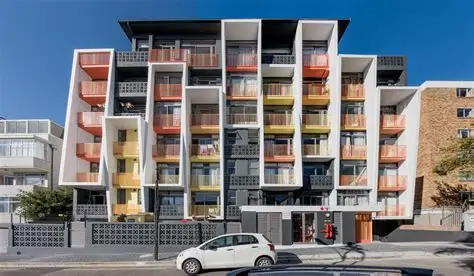
“South Africa’s real estate development sector is buoyed by predictable borrowing costs and surging demand for affordable housing, particularly in coastal regions. Industrial land expansion in Gauteng and KwaZulu-Natal, alongside growing foreign investment, is reshaping the property landscape.”
South Africa’s real estate development market in August 2026 reflects a sector balancing inflationary pressures with investor confidence. The South African Reserve Bank’s decision to maintain interest rates has reassured developers, enabling long-term planning and reducing risk. Banks such as Absa, FNB, and Standard Bank are offering competitive mortgage packages, further stimulating activity.
Affordable Housing Surge
The affordable housing segment below R1.2 million dominates activity. Younger buyers, particularly those aged 25–34, are entering the market with unprecedented confidence. Developers are racing to secure vacant plots in peri-urban areas, but supply constraints remain a challenge. Government subsidies and transfer duty exemptions continue to support entry-level buyers.
Regional Shifts
- Western Cape & Garden Route: Cape Town remains South Africa’s premium market, with property prices far above the national average. The Garden Route shows annual land appreciation of 6.5%, driven by lifestyle appeal and semigration.
- Gauteng: While residential growth is modest, industrial land expansion in Johannesburg’s peri-urban zones is creating new opportunities for logistics and warehousing.
- KwaZulu-Natal: The Cornubia Industrial Park expansion underscores rising demand for industrial facilities.
- Mpumalanga & Limpopo: Smaller industrial parks are emerging to support manufacturing and agricultural processing.
Foreign Investment Trends
Foreign buyers, particularly from Europe and Asia, are increasingly investing in South African coastal properties. Favorable exchange rates and lifestyle appeal make South Africa an attractive destination for long-term investment.
Outlook
Analysts predict continued resilience through 2026, with affordable housing and coastal land remaining the most dynamic segments. Inflationary pressures may temper growth, but fundamentals remain strong. Developers are expected to focus on mixed-use projects, industrial expansion, and affordable housing to meet demand.



