




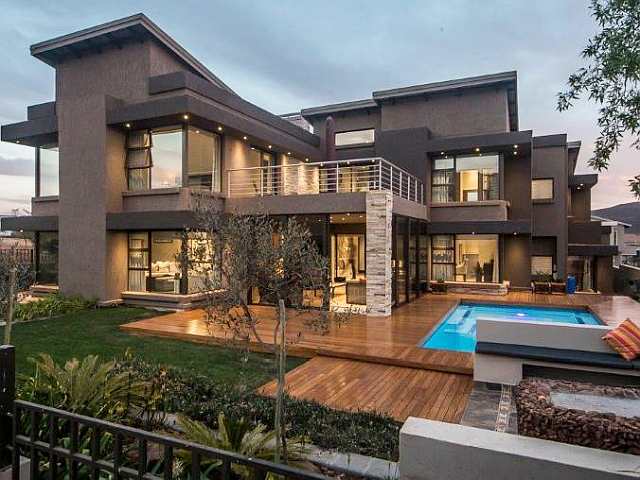
“South Africa’s residential property market in June 2026 is experiencing stability, with the South African Reserve Bank holding the repo rate at 7.00% and the prime lending rate at 10.50%. While affordability challenges persist for first-time buyers, semigration to coastal towns and strong demand for secure lifestyle estates in Gauteng are driving regional growth.”
South Africa’s residential real estate market in June 2026 reflects a delicate balance between stability, affordability challenges, and regional dynamism. The South African Reserve Bank’s (SARB) decision to maintain the repo rate at 7.00% and the prime lending rate at 10.50% has created a climate of cautious optimism. For established homeowners and investors, this stability provides predictability in borrowing costs, enabling strategic financial planning. However, for first-time buyers, the high base rate continues to pose affordability hurdles, with monthly repayments on variable-rate bonds weighing heavily on household budgets.
Interest Rate Stability and Buyer Confidence
The SARB’s stance has shifted the narrative from “waiting for rate cuts” to “buying for value.” Analysts note that while stability is positive, affordability remains a pressing concern for lower-income earners. Negotiating favorable terms with banks such as Absa, Nedbank, and FNB has become critical for buyers seeking to maximize affordability.
Regional Hotspots: Coastal Havens
Cape Town’s Bloubergstrand and Durbanville continue to attract strong demand, driven by families and investors seeking properties with short-term rental potential. Similarly, the Garden Route towns of George and Knysna are appreciating in value, fueled by semigration trends as professionals relocate from Gauteng and KwaZulu-Natal in search of lifestyle benefits and coastal living. The “digital nomad effect” has further boosted demand in the Western Cape, where average property prices now stand at R1.98 million, up 5.8% year-on-year.
Gauteng Resilience
In Gauteng, resilience is evident in nodes like Centurion and Midrand, where strategic location and infrastructure development underpin steady demand. Johannesburg’s appetite for secure lifestyle estates in Fourways and Waterfall Estate remains strong, with prices holding firm despite broader economic headwinds. These estates, offering security and community amenities, are increasingly seen as safe havens for families navigating urban challenges.
National Landscape and Price Trends
Nationally, house price inflation sits at 4.1% year-on-year, masking significant regional outperformance. Gauteng’s average property price is R1.3 million (up 3.2% YoY), KwaZulu-Natal’s is R1.42 million (up 2.5% YoY), and the Eastern Cape has emerged as a dark horse with average prices at R1.12 million, up 5.1% YoY. Improved awareness of the FLISP subsidy, which offers up to R145,000, has boosted entry-level market activity, supporting broader growth.
Outlook
The outlook for South Africa’s residential property market remains cautiously optimistic. Stability in interest rates provides predictability, while semigration and lifestyle-driven demand continue to reshape regional dynamics. However, affordability challenges for first-time buyers remain a structural issue, requiring innovative financing solutions and government support to ensure broader market participation.



