




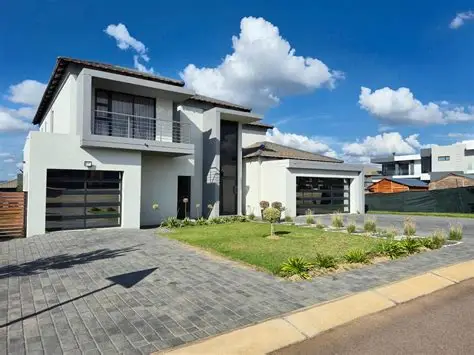
“South Africa’s housing market is recovering, with house prices up 4.7% year-on-year and affordability improving due to lower interest rates. Demand is particularly strong in the affordable housing segment, while provinces like Gauteng and KwaZulu-Natal are finally joining the Western Cape in driving growth.”
The South African residential property market has entered a new phase of recovery in mid-2026, following years of stagnation and uneven growth. With house prices rising, mortgage rates easing, and demand broadening across provinces, the sector is regaining momentum and offering renewed opportunities for buyers, sellers, and investors alike.
Market Performance
- House Prices: The Repeat Sales House Price Index rose 4.9% year-on-year in October 2025, marking one of the strongest growth periods since 2022.
- Inflation-Adjusted Growth: Real prices increased 1.25% year-on-year, reversing a multi-year decline.
- Regional Leaders: The Western Cape remains the strongest performer, but Gauteng and KwaZulu-Natal are now showing significant improvement.
Demand Drivers
- First-Time Buyers: Lower interest rates and improved affordability are encouraging new entrants into the market.
- Affordable Housing: Properties priced below R750,000 are outperforming traditional segments, with higher activity levels reported by estate agents.
- Urban Migration: Continued movement into metropolitan areas like Cape Town, Johannesburg, and Durban is fueling demand for both rentals and ownership.
Mortgage and Financing Trends
- Mortgage Rates: Average mortgage rates have declined to 10.25%, making home loans more accessible.
- Bank Lending: Commercial banks are extending more credit, particularly to younger buyers and middle-income households.
- Affordability: Improved affordability is helping stabilize demand, especially in entry-level housing markets.
Rental Market
- Rental demand remains strong in urban centers, particularly Cape Town and Johannesburg.
- Rising rental yields are attracting investors, with average yields ranging between 6% and 8% depending on location.
Socio-Economic Context
- Economic Recovery: South Africa’s broader economic rebound, driven by improved GDP growth and declining inflation, is supporting housing demand.
- Employment Trends: Job creation in finance, technology, and services sectors is boosting household incomes.
- Policy Support: Government initiatives to expand affordable housing access are reinforcing market stability.
Regional Breakdown
- Western Cape: Continues to lead with strong demand for luxury and mid-market properties.
- Gauteng: Johannesburg and Pretoria are seeing renewed buyer confidence, particularly in suburban developments.
- KwaZulu-Natal: Durban and surrounding areas are experiencing increased activity, driven by coastal lifestyle demand.
Risks and Challenges
- High Lending Rates: Despite improvements, prime lending rates remain relatively high, limiting some buyers.
- Economic Uncertainty: Global market volatility could impact foreign investment inflows.
- Supply Constraints: Limited new housing developments may restrict long-term affordability.
Outlook
The outlook for the remainder of 2026 is cautiously optimistic. Analysts expect continued price growth of 3–5% annually, with affordability and demand broadening across provinces. The affordable housing segment will remain the strongest driver, while luxury markets will benefit from foreign investment and urban migration.



