




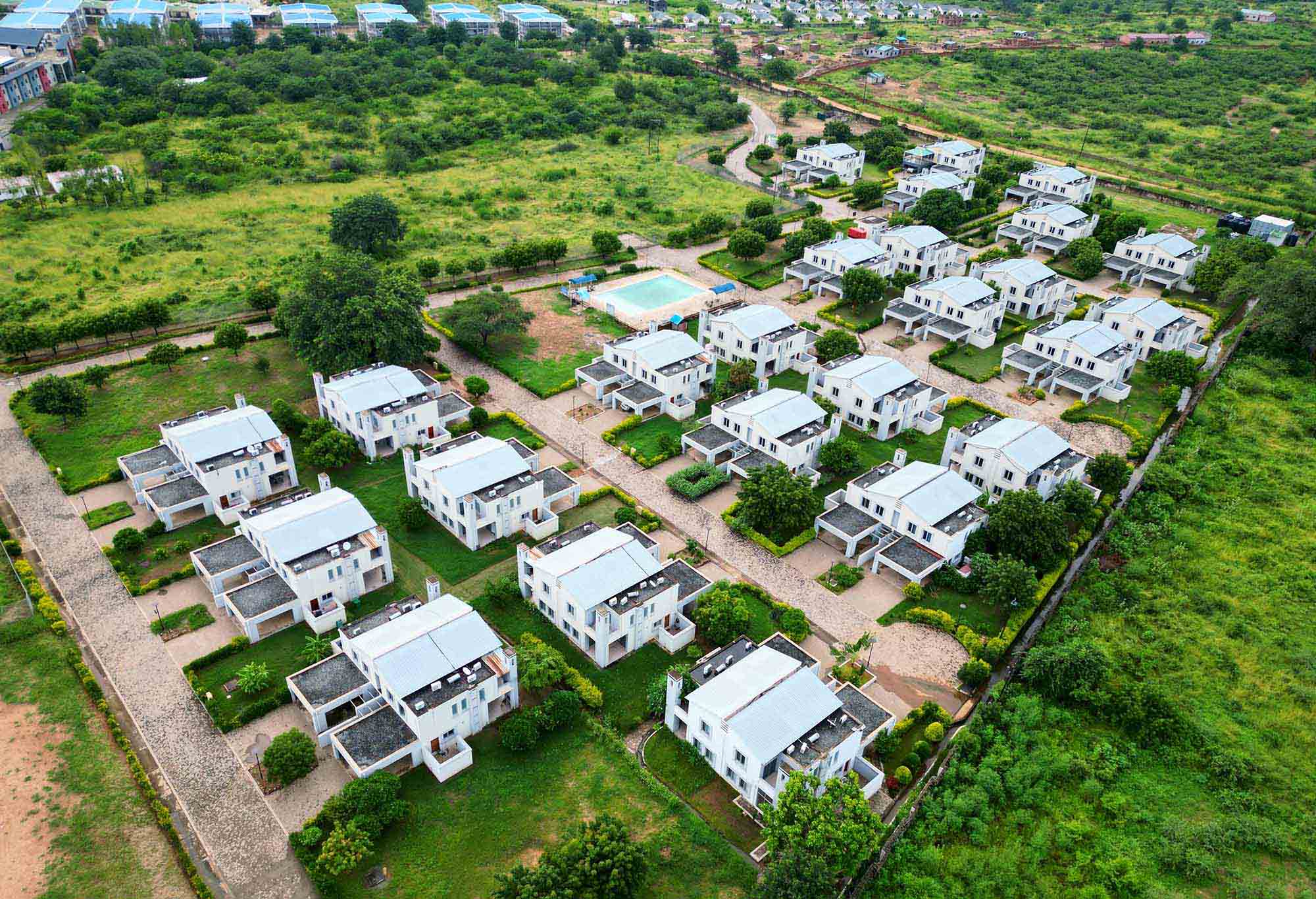
‘South Africa’s residential property market in August 2026 shows resilience, with steady growth of 5–7% driven by affordable housing demand, semigration to coastal provinces, and international investment. Stable interest rates have reassured buyers and developers, allowing for measured investment decisions despite inflationary pressures.’
South Africa’s residential real estate market in August 2026 reflects resilience and cautious optimism. Despite inflationary pressures and global economic uncertainty, the sector continues to grow steadily, with national property prices rising between 5–7% year-on-year. This growth is driven by semigration trends, affordable housing demand, and international investment, while the South African Reserve Bank’s (SARB) decision to maintain interest rates has provided stability for buyers and developers.
The SARB has kept the repo rate at 7.00% and the prime lending rate at 10.50%, ensuring predictability in borrowing costs. This stability has reassured both buyers and developers, allowing for more measured investment decisions. Banks such as Absa, FNB, Standard Bank, and SA Home Loans are offering competitive mortgage packages, stimulating activity in the housing market.
Regional Dynamics
- Western Cape: Semigration from Gauteng and KwaZulu-Natal continues to fuel demand. Cape Town remains the premium market, with average property prices at R3.35 million, far above the national average of R1.95 million.
- Garden Route: Land values are appreciating at 6.5% annually, driven by lifestyle appeal and migration from inland provinces.
- Gauteng: Growth is modest at 2.8%, but mixed-use developments and industrial land are expanding.
Affordable Housing Demand
The affordable housing segment (below R1.2 million) remains the most active, with demand consistently outstripping supply. First-time buyers, particularly younger South Africans aged 25–34, are entering the market with confidence levels reaching 90%, signaling a generational shift in property ownership. Developers are racing to meet demand in peri-urban areas, where vacant plots are increasingly competitive.
International Investment
Foreign buyers from Europe and Asia are investing in South African coastal properties, attracted by favorable exchange rates and lifestyle appeal. This trend has boosted demand in regions such as Cape Town, Durban, and the Garden Route, reinforcing South Africa’s position as an attractive destination for long-term investment.
Inflationary Pressures
While nominal growth remains strong, inflationary pressures temper real returns. Headline inflation reached 5% in June 2026, reducing real returns to just 0.2%. This has reintroduced caution among buyers who expected continued relief from interest rate cuts.
Buyer Sentiment
The Absa Homeowners Sentiment Index climbed to 88% in Q1 2026, its highest reading since inception. Confidence among younger buyers reflects optimism about affordability and lending conditions, despite inflationary headwinds.
Risks and Challenges
- Inflation: Rising costs erode real returns.
- Interest Rates: Stability provides predictability but limits relief.
- Affordability: Younger buyers face higher entry costs despite confidence.
- Municipal Service Delivery: Poor infrastructure in some regions affects property values.
Conclusion
South Africa’s residential real estate market in August 2026 is a story of resilience and transformation. While nominal growth is strong, inflationary pressures and cautious monetary policy temper enthusiasm. The surge in younger buyers, semigration trends, and international demand highlight a sector in transition — one that reflects both opportunity and risk in equal measure.



