




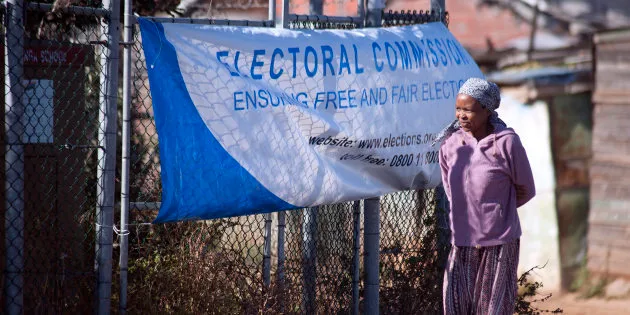
“The IEC has launched a nationwide voter registration drive on June 20–21, 2026, opening over 23,706 voting stations to prepare for the November local government elections. This initiative is crucial for ensuring fair representation, with special emphasis on mobilizing youth and first-time voters.”
South Africa entered a defining moment in its democratic calendar today, June 20, 2026, as the Electoral Commission of South Africa (IEC) officially launched its nationwide voter registration weekend. With 23,706 voting stations open across the country, millions of citizens are expected to seize the opportunity to register or update their details ahead of the Local Government Elections scheduled for November 4, 2026. This event marks one of the most significant civic mobilizations in recent years, underscoring the importance of participation in shaping the future of local governance.
A National Mobilization Effort
The IEC has emphasized its full preparedness, deploying thousands of staff, advanced technology, and logistical support to ensure smooth operations. This weekend is not only about registering new voters but also updating existing records, particularly for those who have changed addresses or relocated since the last municipal elections in 2021. Accurate voter rolls are essential for fair representation, especially in local government elections where ward boundaries and community demographics play a decisive role.
Why This Weekend Matters
South Africa’s democracy thrives on participation, and the IEC’s registration drive is a cornerstone of that process. According to official figures, over 27.6 million voters are currently registered, with women making up 55.25% of the electorate. However, millions of eligible citizens remain unregistered, particularly among the youth. To address this, the IEC has launched targeted campaigns, including social media outreach and youth-focused initiatives, to encourage first-time voters to take part. The Commission has also partnered with schools, universities, and community organizations to spread awareness about the importance of registering.
Political Stakes
The upcoming elections are expected to be fiercely contested. The ruling African National Congress (ANC) continues to dominate many municipalities, but opposition parties such as the Democratic Alliance (DA), Economic Freedom Fighters (EFF), and the Patriotic Alliance (PA) are working to expand their influence. Recent by-elections have shown mixed results: while the ANC retained seats in the Eastern Cape earlier this week, the PA managed to capture a ward from the DA in the Western Cape earlier this month. These shifts highlight the fluidity of South Africa’s political landscape and the potential for surprises in November.
Challenges Facing the IEC
Despite its readiness, the IEC faces challenges. Reports of misuse of the IEC logo and branding by political parties have raised concerns about misinformation and voter confusion. The Commission has warned against such practices, stressing that its neutrality and credibility must be safeguarded. Additionally, logistical hurdles such as ensuring accessibility in rural areas and maintaining security at voting stations remain pressing concerns.
Voices from the Ground
Citizens across the country have expressed both excitement and urgency about the registration drive. “This is our chance to make sure our voices are heard,” said Thandiwe Mokoena, a first-time voter in Soweto. “Local government decisions affect our daily lives, from water supply to housing, so it’s important to be part of the process.” IEC officials echoed this sentiment, emphasizing that democracy is strengthened when citizens actively participate.
Looking Ahead
As the registration weekend unfolds, the IEC hopes to significantly boost voter numbers, particularly among the youth demographic. With November’s elections looming, the stakes are high—not only for political parties vying for control of municipalities but also for citizens who rely on effective local governance to address pressing issues such as service delivery, unemployment, and housing.
The voter registration weekend is more than just an administrative exercise; it is a reaffirmation of South Africa’s democratic values. By opening thousands of stations and mobilizing millions of citizens, the IEC is ensuring that the upcoming elections reflect the true will of the people. As the country moves closer to November, the success of this registration drive will play a crucial role in shaping the political and social landscape of South Africa.



