




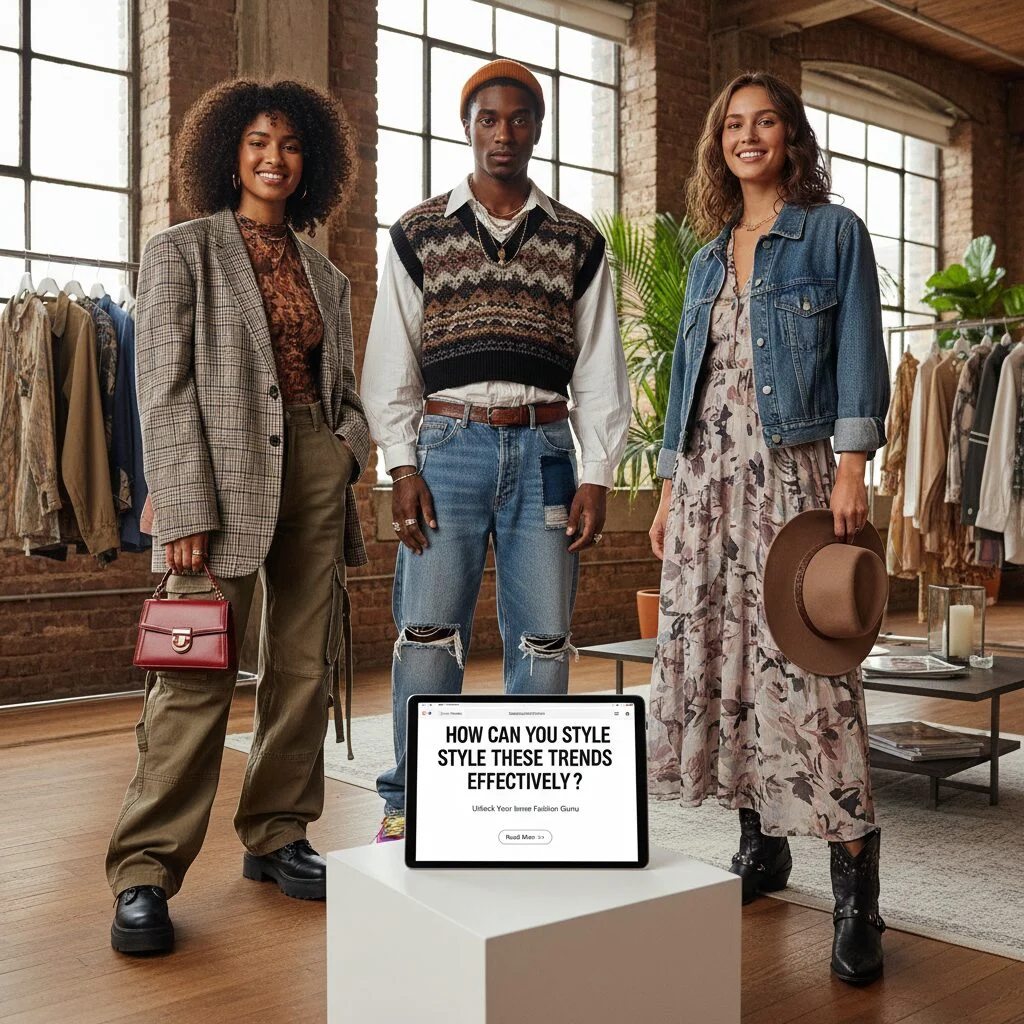
“South Africa’s fashion market in 2026 is experiencing a surge in sustainable design and cultural heritage integration, with recycled materials and indigenous motifs shaping consumer preferences. Local designers are innovating to compete against global retail giants, ensuring fashion remains both eco-conscious and authentically African.”
Market Growth and Context
The South African fashion market has expanded significantly, valued at USD 5.8 billion in 2023 and projected to reach USD 7.9 billion by 2030, growing at a CAGR of 4.6%. This growth is fueled by rising disposable incomes, rapid urbanization, and the dominance of e-commerce. Online sales, which accounted for just 2% in 2019, have risen to 5% by 2023, reshaping consumer behavior and retail strategies.
Sustainability as a Core Trend
The sustainable fashion segment is projected to reach USD 680.66 million by 2033, growing at a remarkable 25.27% CAGR from 2026. Recycled materials dominate this category, with designers increasingly using fabrics sourced from waste textiles, plastics, and organic fibers. This shift reflects consumer demand for eco-conscious products and aligns with global sustainability movements.
Cultural Heritage in Design
South African designers are embedding traditional motifs and indigenous craft into modern fashion. Ndebele patterns, Zulu beadwork, and Xhosa-inspired prints are being reimagined in contemporary streetwear and luxury collections. This fusion of heritage and modernity resonates with consumers who value authenticity and cultural pride.
Competitive Landscape
Global retail giants like Amazon, Shein, and Temu are aggressively entering the South African market, leveraging competitive pricing and digital marketing. Local retailers must differentiate through unique value propositions, localized offerings, and personalized customer experiences. Innovation and adaptability are critical for survival, with many brands creating “destination stores” that combine premium quality with diverse product ranges.
Luxury Market Resilience
Despite global competition, South Africa’s luxury fashion market remains robust, with an 8% increase in luxury trading density in shopping centers over the past year and a 184% increase since 2019. South Africa leads the continent in the number of luxury stores, highlighting its role as Africa’s fashion capital.
Key Style Trends in 2026
- Earthy neutrals like sand and stone dominate basics, reflecting South Africa’s natural landscapes.
- Jewel tones such as emerald green and sapphire blue add vibrancy to streetwear and semi-formal outfits.
- Metallic shades like chrome silver and rose gold connect fashion to digital culture and youth aesthetics.
- Pastels balance bold tones in summer collections, offering approachable layering options.
- Animal prints with neon overlays modernize traditional leopard and zebra motifs.
- Heritage patterns like Ndebele designs reinforce cultural identity in streetwear.
Digital Engagement and Future Outlook
Fashion brands are increasingly investing in digital storytelling and online experiences, optimizing designs for digital presentation and agile content creation. Sustainability and cultural authenticity remain non-negotiable pillars, ensuring South African fashion resonates globally while staying true to local roots.



