




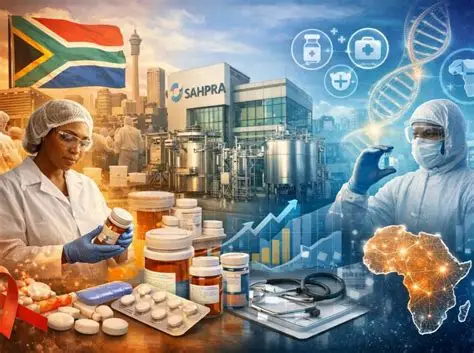
“UNAIDS, the Southern African Development Community (SADC), and the Global Health Innovation Institute (GHII) have partnered with China to expand pharmaceutical manufacturing in Southern Africa. The collaboration seeks to strengthen regional health security, build resilient supply chains, and reduce dependency on imported medicines.”
Southern Africa is entering a transformative era in healthcare. On September 4, 2026, UNAIDS, SADC, and GHII announced a strategic partnership with China to expand pharmaceutical manufacturing capacity across the region. This initiative represents a bold step toward health sovereignty, aiming to reduce reliance on imported medicines and diagnostics while simultaneously strengthening regional health security and economic resilience.
Background and Context
The COVID-19 pandemic and ongoing HIV/AIDS challenges exposed vulnerabilities in Africa’s pharmaceutical supply chains. Countries across the continent faced shortages of essential medicines, vaccines, and diagnostics due to reliance on external suppliers. This partnership is designed to address those weaknesses by localizing production capacity and ensuring that African nations can produce the medicines they need without depending on volatile international markets.
Strategic Exchange in South Africa
The partnership was formally advanced during a strategic exchange held from August 31 to September 4, 2026, in Johannesburg, Durban, and Cape Town. The event brought together governments, pharmaceutical companies, research institutions, financiers, and health experts to explore how stronger partnerships can expand local production of medicines, diagnostics, and other health technologies.
Key Stakeholders and Their Roles
- UNAIDS: Leveraging lessons from the HIV response to strengthen pharmaceutical resilience.
- SADC: Coordinating regional health security strategies.
- GHII: Driving innovation and investment in biotechnology.
- China: Providing investment, technology transfer, and technical expertise.
Anne Githuku Shongwe, UNAIDS Regional Director for East and Southern Africa, emphasized that strengthening pharmaceutical manufacturing goes beyond increasing medicine production. It is about giving African countries greater control over the health products their populations depend on, while building skills, investment, and systems for long-term health security.
Benefits of the Partnership
- Health Security: Ensures reliable access to essential medicines, including HIV treatments.
- Economic Growth: Creates opportunities for investment, innovation, and job creation.
- Resilient Supply Chains: Reduces vulnerability to global disruptions.
- Skills Development: Builds local expertise in pharmaceutical sciences and biotechnology.
Dr. Lamboly Kumboneki of the SADC Secretariat noted that health security requires countries to have the capacity to produce essential health commodities. The partnership with China could help connect African manufacturing capabilities with the investment and technical skills required to expand pharmaceutical production.
Challenges Ahead
Despite the optimism, challenges remain:
- Infrastructure gaps in manufacturing facilities.
- Regulatory harmonization across African countries.
- Financing hurdles for sustained investment.
- Balancing dependency on China with regional autonomy.
Broader Implications
This partnership signals a shift in global health geopolitics, with Africa positioning itself as a producer rather than a passive consumer of medicines. It also reflects China’s growing role in Africa’s health and economic sectors, raising questions about long-term sustainability and governance.
Conclusion
The UNAIDS-SADC-GHII-China partnership marks a historic milestone for Southern Africa’s healthcare future. By expanding pharmaceutical manufacturing capacity, the region is taking decisive steps toward health sovereignty, economic resilience, and innovation-driven growth. If successful, this initiative could serve as a model for other regions seeking to secure their health systems against global uncertainties.



