




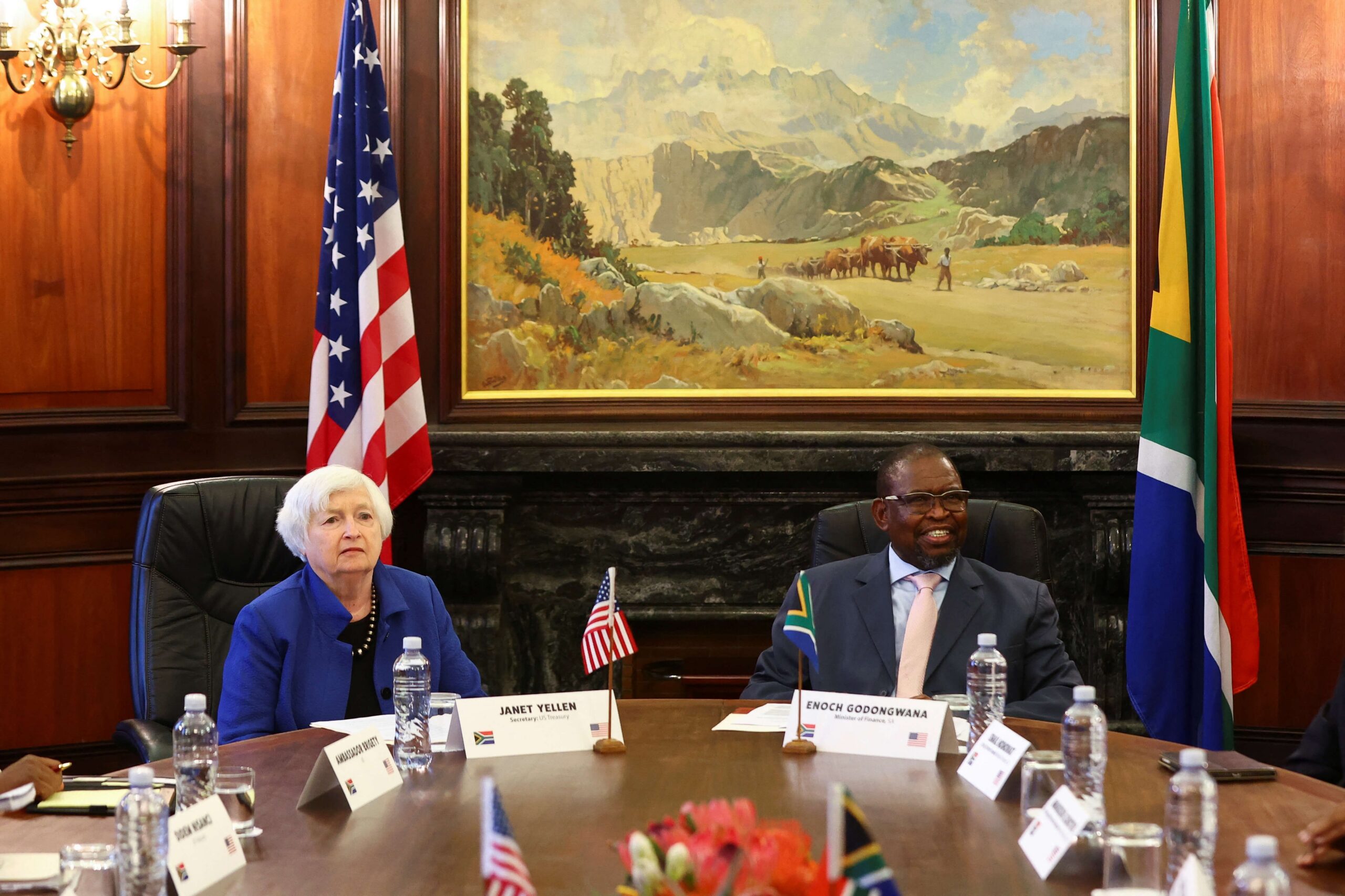
“Relations between the United States and South Africa have deteriorated sharply after U.S. Ambassador Leo Brent Bozell III accused Pretoria of rejecting constructive engagement. The fallout follows Washington’s imposition of visa restrictions on South African officials over land seizures and minority rights concerns.”
South Africa’s international relations are under intense scrutiny following a dramatic escalation in tensions with the United States. On September 29, 2026, U.S. Ambassador Leo Brent Bozell III publicly declared diplomacy with Pretoria “useless,” signaling a breakdown in bilateral engagement. This statement, coupled with Washington’s recent sanctions targeting South African officials, has sparked debate about the future of South Africa’s foreign policy, its global alliances, and the broader implications for African geopolitics.
Background to the Diplomatic Rift
The deterioration stems from a series of unresolved disputes between Washington and Pretoria. In November 2025, the U.S. government presented South Africa with five core policy requests—dubbed the “Five Asks.” These included commitments to protect minority rights, halt uncompensated land seizures, and strengthen cooperation on critical minerals. Pretoria’s silence over nine months frustrated Washington, culminating in Secretary of State Marco Rubio’s announcement of targeted visa restrictions on September 15, 2026.
Ambassador Bozell’s remarks reflect Washington’s perception that Pretoria is deliberately distancing itself from U.S. influence. His statement that “the South African government does not want a constructive relationship with the United States” underscores the severity of the diplomatic rupture.
Pretoria’s Position
President Cyril Ramaphosa’s administration has yet to issue a comprehensive response, but officials within the Department of International Relations and Cooperation (DIRCO) argue that South Africa is pursuing a sovereign foreign policy aligned with African Union priorities. Pretoria has emphasized its commitment to multilateralism, particularly through platforms such as BRICS and the AU Peace and Security Council.
South Africa’s stance reflects a broader trend of African nations asserting independence from Western influence. Analysts suggest Pretoria is recalibrating its alliances toward emerging powers such as China, Russia, and India, while maintaining regional leadership in African diplomacy.
U.S. Concerns
Washington’s frustration centers on three issues:
- Land reform policies perceived as discriminatory against minority groups.
- Critical minerals cooperation, with the U.S. seeking greater access to South Africa’s reserves of platinum and rare earths.
- Human rights concerns, particularly regarding race-based discrimination and political rhetoric.
The visa restrictions imposed by Secretary Rubio target officials allegedly complicit in these policies. While the sanctions are symbolic, they represent a significant diplomatic rebuke.
Regional and Global Implications
The fallout has implications beyond bilateral relations. South Africa is a key player in African diplomacy, hosting major summits and mediating conflicts such as the ongoing peace process in South Sudan. President Ramaphosa’s recent address at the AU C5 Plus Summit highlighted Pretoria’s role in stabilizing the Horn of Africa.
If relations with Washington continue to deteriorate, South Africa may deepen ties with BRICS partners, potentially accelerating a shift in global power dynamics. This could weaken U.S. influence in Africa, particularly in strategic sectors such as mining, energy, and security cooperation.
Domestic Reactions
Within South Africa, reactions are mixed. Opposition parties have criticized the government for jeopardizing relations with a major global power, warning of economic consequences. Business leaders fear that strained ties could impact trade, investment, and access to U.S. markets.
Conversely, some civil society groups support Pretoria’s defiance, framing it as a stand against Western interference in domestic policy. The debate reflects broader tensions in South Africa’s political discourse, balancing sovereignty with global integration.
Expert Analysis
Political analysts argue that the crisis illustrates the challenges of navigating a multipolar world. South Africa’s attempt to balance Western partnerships with BRICS commitments has created friction. The U.S. response, particularly the ambassador’s blunt remarks, signals a willingness to confront Pretoria publicly rather than pursue quiet diplomacy.
Experts warn that the breakdown could undermine cooperation on critical issues such as counterterrorism, climate change, and trade. However, others suggest the rift may be temporary, with both sides eventually recognizing the mutual benefits of engagement.
Conclusion
The declaration by Ambassador Bozell marks a turning point in U.S.–South Africa relations. Whether Pretoria chooses to mend ties or deepen its pivot toward alternative alliances will shape not only its foreign policy but also Africa’s geopolitical trajectory. For now, the diplomatic standoff underscores the complexities of sovereignty, global power competition, and the future of international relations in the 21st century.



