




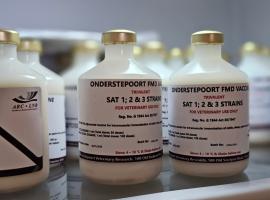
“The Western Cape Government has vaccinated more than 479,000 animals against Foot-and-Mouth Disease, covering 82% of the provincial herd. Despite progress, 28 active outbreaks remain, with authorities emphasizing vigilance, surveillance, and community cooperation to safeguard the agricultural economy.”
Foot-and-Mouth Disease (FMD) has long been one of the most feared livestock diseases globally, capable of devastating agricultural economies and threatening food security. In South Africa, the Western Cape has emerged as a focal point in the national battle against FMD, with authorities reporting substantial progress in vaccination and containment efforts. On 19 August 2026, the Western Cape Government announced that 82% of the provincial herd has been vaccinated, marking a milestone in its aggressive response strategy.
Background of the Outbreak
The first confirmed outbreak in the Western Cape occurred on 3 November 2025 at a farm near Gouda in the Cape Winelands District. The farm housed 679 cattle and 1,597 sheep, and the outbreak triggered immediate containment measures. Since then, the province has faced 69 suspected cases, of which 28 remain active, 11 have been resolved, 14 ruled out, and 16 await laboratory confirmation.
Vaccination Drive
The cornerstone of the Western Cape’s response has been its mass vaccination campaign.
- 597,000 doses of FMD vaccine were supplied by the national Department of Agriculture.
- 480,000 doses have already been administered.
- 382,209 primary vaccinations and 97,560 booster shots have been completed.
- In total, 479,769 animals—both commercial and subsistence livestock—have been vaccinated.
This scale of vaccination demonstrates unprecedented coordination between government, farmers, veterinarians, and industry stakeholders.
The FMD War Room
A unique feature of the Western Cape’s response is the establishment of the FMD War Room, a centralized command hub that coordinates surveillance, quarantine, movement controls, and public awareness campaigns. Staffed by 103 veterinary professionals and backed by a R152 million budget, the War Room has become the nerve center of disease management.
Economic Importance
Livestock farming is a critical pillar of the Western Cape’s economy, supporting thousands of jobs and contributing significantly to exports. FMD outbreaks threaten this sector by restricting trade, reducing productivity, and undermining farmer livelihoods. Minister Ivan Meyer emphasized that the province’s response is not only about animal health but also about protecting the broader agricultural economy.
Challenges Ahead
Despite progress, challenges remain:
- 28 active outbreaks still pose risks.
- Movement of livestock between provinces complicates containment.
- Vaccine hesitancy among some farmers persists.
- Resource constraints in rural areas hinder rapid response.
Authorities stress that every suspected case is treated with urgency, with veterinary teams conducting investigations and laboratory testing to prevent further spread.
National Context
Nationally, Agriculture Minister Willie Aucamp confirmed that 13.5 million vaccines have been imported and administered across South Africa, with 10 million more arriving by month’s end. He declared that the outbreak is “under control,” crediting cooperation between government, farmers, and the private sector.
Community Engagement
Public awareness campaigns have been vital in ensuring compliance with vaccination and quarantine measures. Farmers are urged to report suspected cases immediately, while communities are educated about the importance of disease control in safeguarding food security.
Expert Perspectives
Veterinary experts highlight that early detection and rapid vaccination are key to preventing widespread outbreaks. Economists warn that failure to contain FMD could cost billions in lost trade and productivity. Public health officials emphasize that transparency and evidence-based decision-making have been crucial in building trust among stakeholders.
Conclusion
The Western Cape’s coordinated response to Foot-and-Mouth Disease represents a model of effective crisis management. With 82% of the herd vaccinated, the province has made significant strides in protecting its agricultural sector. However, vigilance remains essential as outbreaks continue to emerge. The success of this campaign underscores the importance of cooperation, transparency, and sustained investment in veterinary services.



