




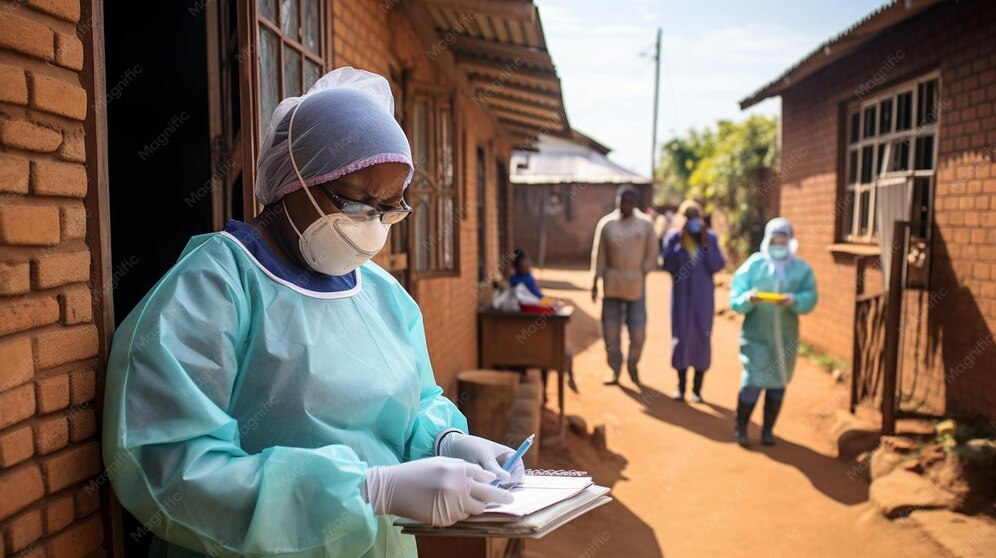
“South Africa’s Department of Health has obtained limited doses of the mpox vaccine to respond to a growing outbreak, with 22 laboratory-confirmed cases reported as of September 22, 2026. The Western Cape is the hardest hit, accounting for 18 cases, while Gauteng and KwaZulu-Natal report smaller clusters, prompting urgent public health interventions.”
South Africa is facing a mounting public health challenge as mpox infections rise, with the Department of Health confirming 22 laboratory-confirmed cases by September 22, 2026. The outbreak has prompted swift government action, including securing limited vaccine doses, intensifying surveillance, and reinforcing clinical care systems. While vaccines provide hope, the restricted supply underscores the importance of a multi-pronged response strategy.
Geographic Spread
- Western Cape: 18 confirmed cases, making it the epicenter of the outbreak.
- Gauteng: 3 confirmed cases, reflecting urban transmission risks.
- KwaZulu-Natal: 1 confirmed case, highlighting the virus’s spread beyond major metropolitan areas.
This distribution shows that while the outbreak is concentrated in the Western Cape, vigilance is required nationwide.
Vaccine Procurement
The Department of Health, with support from the World Health Organization (WHO) and international partners, secured doses of the MVA-BN vaccine. This vaccine, previously used in global mpox responses, is recognized for its safety and efficacy. However, supply remains limited, meaning authorities must prioritize high-risk groups and frontline health workers.
Treatment Options
Alongside vaccination, South Africa has access to Tecovirimat, an antiviral treatment approved for mpox management. While vaccines prevent infection, antivirals are crucial for treating symptomatic patients, especially those with severe disease or underlying health conditions.
Public Health Measures
Authorities emphasize that vaccines alone cannot halt transmission. The response strategy includes:
- Contact tracing to identify and isolate potential exposures.
- Surveillance systems to monitor new cases and detect clusters early.
- Clinical care pathways ensuring patients receive timely treatment.
- Public awareness campaigns urging individuals with symptoms to seek medical attention promptly.
International Dimension
Recent cases include individuals with travel histories to Spain, Germany, and Norway, highlighting the global nature of mpox transmission. This raises concerns about cross-border spread and the need for coordinated international monitoring.
Challenges
- Limited vaccine supply means not all at-risk individuals can be immunized.
- Public hesitancy may hinder uptake, especially in communities unfamiliar with mpox.
- Healthcare capacity could be strained if cases rise sharply.
Expert Opinions
The National Institute for Communicable Diseases (NICD) stresses that while vaccines are vital, community-level interventions remain the backbone of outbreak control. Experts warn that complacency could lead to wider transmission, particularly in densely populated urban areas.
Implications for Public Health
This outbreak is a test of South Africa’s ability to balance preventive medicine with emergency response. It highlights the importance of global health solidarity, as vaccine access remains unequal worldwide.
Conclusion
South Africa’s mpox outbreak demonstrates the complexities of modern public health crises. With 22 confirmed cases, limited vaccines, and ongoing surveillance, the country must rely on a layered response strategy. The coming weeks will determine whether containment efforts succeed or whether the outbreak escalates into a broader national emergency.



