




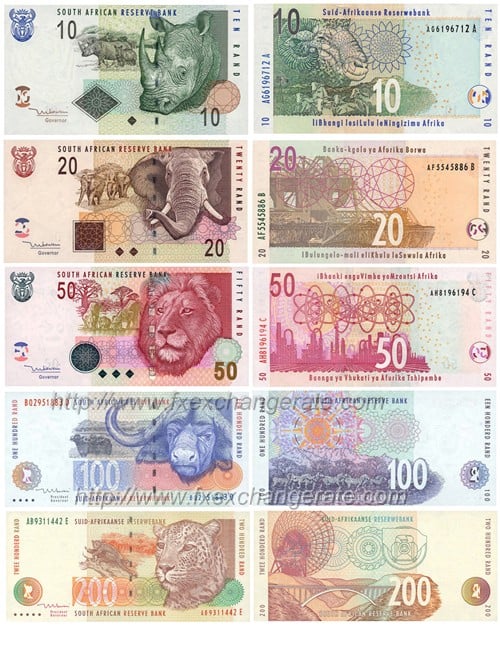
“The South African rand slipped against the US dollar as investors reacted to global geopolitical risks and looming domestic anti-immigration protests. Analysts warn that the currency’s volatility reflects both external shocks and heightened concerns about South Africa’s social stability.”
The South African rand entered July 2026 under renewed pressure, trading in the mid-16s against the US dollar. This weakness reflects a combination of global geopolitical uncertainty and domestic social unrest, highlighting the currency’s role as a proxy for emerging-market risk. Investors are increasingly cautious, balancing external shocks with internal instability.
Global Geopolitical Context
The fragile ceasefire in the Middle East has left global markets jittery. Risk-averse positioning has re-emerged, with investors pulling back from emerging-market assets. South Africa, deeply integrated into international capital markets, is particularly exposed. Portfolio flows into local bonds and equities are tightly correlated with global risk sentiment, meaning distant geopolitical events can quickly weaken demand for rand-denominated assets.
Domestic Social Tensions
Adding to external pressures, planned anti-immigration protests have sharpened investor focus on South Africa’s social stability. Civic groups have called for undocumented foreign nationals to leave the country, sparking concerns about potential unrest. While specific organizations and dates remain unclear, the mere anticipation of demonstrations has unsettled markets. Social instability compounds the risks already weighing on the rand.
Currency Volatility
The rand has experienced significant swings throughout 2026, ranging from the high-15s to around 17 per dollar. These fluctuations reflect shifting US interest rate expectations, commodity demand, and now geopolitical tensions. The latest weakening sits within this range but underscores how external shocks and domestic risks are increasingly intertwined in shaping South Africa’s market narrative.
Economic Indicators Ahead
Traders are positioning ahead of a dense data calendar. Key releases include:
- Money supply figures
- Private sector credit data
- Inflation expectations survey by the South African Reserve Bank
- Trade balance and budget balance statistics
These indicators will shape views on growth momentum, fiscal dynamics, and monetary policy. Depending on the outcomes, they could either reinforce or offset the rand’s current risk-driven weakness.
Broader Economic Implications
The rand’s volatility has direct implications for inflation, interest rates, and fiscal policy. A weaker currency raises import costs, potentially fueling inflation. This could pressure the South African Reserve Bank to maintain a tighter monetary stance, even as growth remains sluggish. Fiscal dynamics are also affected, with budget balances sensitive to shifts in trade and capital flows.
Investor Sentiment
Global investors view the rand as a bellwether for emerging-market risk. Its sensitivity to external shocks makes it a useful proxy, but also a volatile one. Domestic instability adds another layer of complexity, making South Africa a challenging environment for portfolio investment. The combination of external and internal risks is likely to keep volatility elevated in the near term.
Conclusion
The South African rand’s weakness on July 1, 2026, is the most important macroeconomic story of the day. It reflects the intersection of global geopolitical tensions and domestic social unrest, underscoring the currency’s vulnerability. With key economic data releases imminent, the rand’s trajectory will remain a critical indicator of South Africa’s economic stability in the weeks ahead.



