




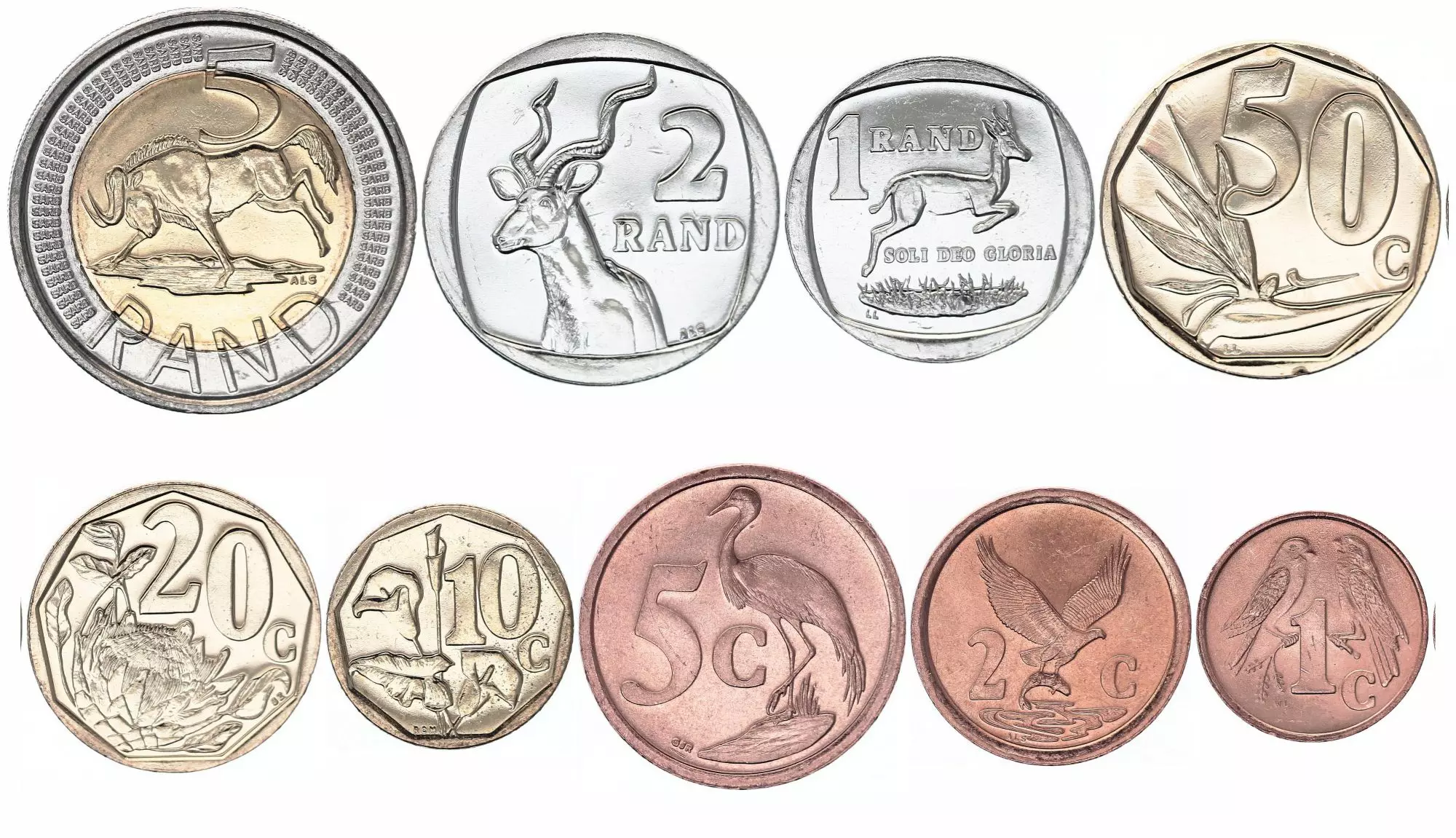
“South Africa’s rand fell sharply this week as Brent crude oil prices surged past $107 per barrel, driven by Middle East conflict disruptions. The rising energy import bill has widened the current account deficit, raising inflation risks and complicating monetary policy decisions.”
South Africa’s financial markets are once again under strain as global energy shocks ripple through the economy. On 16 September 2026, the rand weakened against the U.S. dollar, trading at approximately R16.32/$, following a sharp rise in Brent crude oil prices to $107.92 per barrel. This development underscores the vulnerability of South Africa’s economy to external shocks, particularly in the energy sector, where the country remains heavily dependent on imports.
Oil Prices and the Rand
The surge in oil prices is directly linked to ongoing geopolitical tensions in the Middle East, where disruptions to Saudi Arabia’s energy infrastructure have tightened global supply. For South Africa, a net importer of oil, this translates into higher costs for fuel and refined petroleum products. The immediate consequence is a deterioration in the trade balance, as the country spends more on imports while earning less from exports due to weaker precious metal prices.
Currency strategists note that the rand’s decline is not only a reflection of oil market dynamics but also of broader investor sentiment. With the U.S. Federal Reserve expected to raise interest rates, emerging market currencies like the rand face additional pressure from a stronger dollar.
Current Account Deficit
The South African Reserve Bank (SARB) reported that the country posted a current account deficit of 2.6% of GDP in Q2 2026, compared to a surplus of 2.3% in the previous quarter. This swing is largely attributed to increased energy imports. In rand terms, the deficit amounted to R205.5 billion, reversing a surplus of R181.6 billion earlier in the year. Such a reversal highlights the fragility of South Africa’s external accounts and raises concerns about the sustainability of its fiscal position.
Inflation Risks
Prior to the oil shock, South Africa had managed to keep inflation under control, with headline consumer inflation slowing to 4.3% in July from 5.0% in June. However, the rise in oil prices threatens to reverse this trend. Higher fuel costs feed directly into transportation and production expenses, which in turn raise the prices of goods and services across the economy. Economists warn that inflation data for August, due later this month, may reflect these pressures.
Policy Dilemma for SARB
The SARB now faces a difficult policy dilemma. On one hand, raising interest rates could help stabilize the rand and contain inflation. On the other, higher rates risk dampening economic growth at a time when household consumption and business investment are already under strain. The central bank must balance these competing priorities while maintaining investor confidence in South Africa’s financial stability.
Market Reactions
On the Johannesburg Stock Exchange, the Top-40 index fell by 0.6% in early trade, reflecting investor caution. Government bonds, however, showed some resilience, with yields on the benchmark 2035 bond falling slightly to 8.775%. Analysts suggest that while equities are vulnerable to global volatility, bonds may benefit from safe-haven demand.
Broader Economic Implications
The oil shock has implications beyond currency and inflation. Businesses reliant on fuel, such as logistics and manufacturing, face rising operational costs. Consumers, too, are likely to feel the pinch at the pump, with higher petrol prices reducing disposable income. This could dampen retail sales, which economists had expected to grow modestly by 0.9% year-on-year in July.
International Context
South Africa’s challenges are not unique. Other emerging markets are also grappling with the twin pressures of higher energy costs and a stronger dollar. However, South Africa’s reliance on imported energy makes it particularly vulnerable. The situation underscores the need for long-term strategies to diversify energy sources, including investment in renewables and local refining capacity.
Conclusion
The weakening of the rand amid surging oil prices is a stark reminder of South Africa’s economic vulnerabilities. With a widening current account deficit, rising inflation risks, and global monetary tightening, policymakers face a complex set of challenges. The coming weeks will be critical as the SARB weighs its options and investors monitor both domestic data and international developments.



