




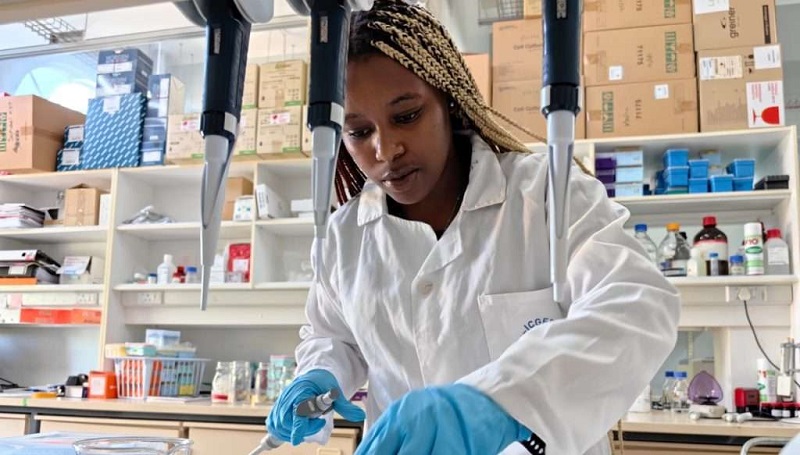
“Researchers in South Africa have finally decoded the function of two unusual molecules found in rye pollen, which demonstrated tumor-fighting properties in early animal studies. This breakthrough could pave the way for innovative cancer treatments, positioning South Africa at the forefront of global biotechnology research.”
For decades, scientists puzzled over the enigmatic molecules present in rye pollen that hinted at anti-tumor activity. On July 8, 2026, South African researchers announced they had solved this long-standing mystery, marking a milestone in biotechnology and cancer research. The discovery not only validates years of speculation but also opens new avenues for therapeutic innovation.
Background
The rye pollen molecules were first identified in the 1990s, but their precise biological mechanisms remained elusive. Early experiments suggested they could stimulate immune responses against tumors, yet reproducibility and mechanistic clarity were lacking. This uncertainty stalled progress, leaving the molecules as scientific curiosities rather than clinical candidates.
The Breakthrough
South African scientists employed advanced genomic sequencing, proteomics, and molecular modeling to unravel the structure and function of these molecules. They discovered that the compounds interact with specific immune pathways, enhancing the body’s ability to recognize and destroy cancer cells. Importantly, the molecules appear to act synergistically with existing immunotherapies, potentially boosting their effectiveness.
Implications for Cancer Research
- Novel Therapeutic Pathways: The molecules could serve as templates for new drugs targeting immune modulation.
- Synergy with Immunotherapy: Combining rye pollen-derived compounds with checkpoint inhibitors may improve patient outcomes.
- Global Impact: South Africa’s leadership in this discovery elevates its role in international biotechnology collaborations.
Economic and Industrial Impact
The breakthrough is expected to stimulate South Africa’s biotech sector, attracting investment and fostering partnerships. Companies such as Biovac and Cape Bio Pharms may integrate this research into their pipelines, strengthening the country’s reputation as a biotechnology hub.
Ethical and Regulatory Considerations
As with any novel therapy, rigorous clinical trials will be required. Ethical oversight will ensure patient safety, while regulatory frameworks must adapt to accommodate biotechnological innovations. South Africa’s Medicines Control Council is likely to play a pivotal role in guiding these developments.
Expert Opinions
Dr. Thandiwe Mokoena, a leading oncologist, described the discovery as “a turning point in immuno-oncology.” She emphasized that while challenges remain, the potential benefits are immense. International experts echoed this sentiment, noting that the molecules could complement existing therapies and reduce reliance on toxic chemotherapies.
Challenges Ahead
- Clinical Validation: Translating laboratory findings into safe, effective treatments.
- Manufacturing Scale-Up: Developing cost-effective production methods for rye pollen-derived compounds.
- Accessibility: Ensuring equitable access to therapies, particularly in low-income regions.
Conclusion
The resolution of the rye pollen mystery represents a triumph of persistence, innovation, and collaboration. South Africa’s scientists have not only solved a decades-old puzzle but also opened a new chapter in cancer research. If clinical trials confirm efficacy, this discovery could transform oncology, offering hope to millions worldwide.



