




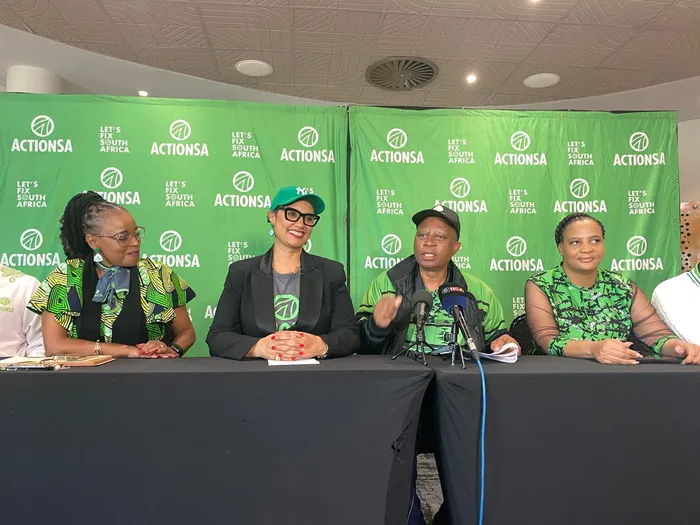
“ActionSA has launched a major campaign urging South Africans to register to vote during the June 20–21 voter registration weekend, ahead of the November 2026 local government elections. The movement emphasizes the role of young people in reshaping municipalities plagued by unemployment, poor service delivery, and failing infrastructure.”
A Call to Action: Youth Mobilization for South Africa’s Future
South Africa stands at a critical juncture as ActionSA, a rising political force, calls on citizens to seize the voter registration weekend of June 20–21, 2026, as a turning point for the nation’s democracy. With local government elections scheduled for November 4, 2026, the party is urging especially young South Africans to register, framing this moment as a continuation of the struggle for dignity and opportunity that defined the historic 1976 Youth Uprising.
This year marks the 50th anniversary of that pivotal event, when students in Soweto rose against apartheid’s oppressive education system. Today, ActionSA argues, the fight has shifted from political freedom to economic survival. Millions of young South Africans remain trapped in cycles of unemployment, poverty, and crime, while municipalities fail to deliver basic services such as water, electricity, and housing. The party’s Deputy President, Dr. Mbahare Kekana, emphasized that registering to vote is the most powerful tool citizens have to demand accountability and change.
Broken Municipalities and the Crisis of Governance
ActionSA’s campaign highlights the dire state of local governance. Across South Africa, municipalities are plagued by corruption, mismanagement, and collapsing infrastructure. Residents in Johannesburg, Tshwane, and Cape Town face daily struggles with unreliable electricity, unsafe communities, and inadequate housing. For ActionSA, these failures represent not just administrative incompetence but a betrayal of constitutional responsibilities.
The party insists that only through active participation in the electoral process can citizens replace failing governments with leaders committed to service delivery. “If we do not participate in the electoral process, we cannot change the outcomes we continue to experience,” Kekana stated, underscoring the urgency of voter registration.
Youth as the Vanguard of Change
The campaign deliberately invokes the memory of the 1976 Youth Uprising to inspire today’s generation. Fifty years ago, young people risked their lives for freedom; today, ActionSA argues, they must fight for jobs, dignity, and a responsive government. The parallels are striking: both generations face systemic neglect, though the challenges have shifted from apartheid oppression to economic exclusion.
ActionSA leaders such as Herman Mashaba in Johannesburg, Nasiphi Moya in Tshwane, and Dereleen James in Cape Town are presented as examples of the kind of leadership that can restore order, grow the economy, and ensure inclusion. The party envisions municipalities that not only function but thrive, offering opportunities to all residents.
The Symbolism of June 2026
The timing of this campaign is deeply symbolic. June is traditionally a month of remembrance for the Youth Uprising, and the 50th anniversary adds weight to ActionSA’s message. By linking voter registration to this historic struggle, the party seeks to remind South Africans that democracy is not static—it requires constant renewal and participation.
Moreover, the campaign resonates with broader frustrations about governance in South Africa. With unemployment hovering at crisis levels and service delivery failures widespread, many citizens feel disillusioned. ActionSA’s message is clear: disillusionment must be transformed into action at the ballot box.
Looking Ahead to November
The voter registration weekend is only the beginning. ActionSA is positioning itself as a champion of reform in the upcoming local government elections. The party’s strategy hinges on mobilizing young voters, who represent both the largest demographic and the most disaffected. If successful, this could reshape municipal politics across South Africa, challenging entrenched parties and offering new visions of governance.
Conclusion
ActionSA’s call to register to vote is more than a political campaign—it is an appeal to South Africans to reclaim their municipalities and their future. By tying the effort to the legacy of the 1976 Youth Uprising, the party underscores the continuity of struggle across generations. The message is simple yet profound: democracy only works when citizens participate. For South Africa’s youth, registering to vote this weekend may be the most powerful act of activism they can undertake.



