




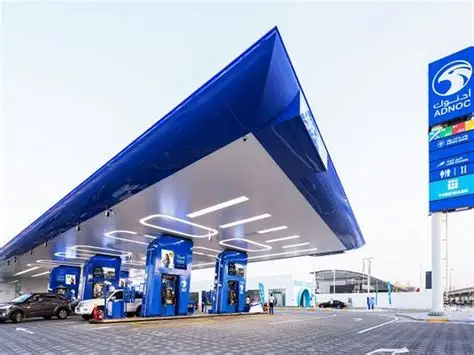
“Abu Dhabi’s Adnoc has finalized a R16 billion acquisition of Shell’s South African fuel stations, securing control of 580 outlets nationwide. The deal includes a 28% stake for a local empowerment partner, signaling both foreign investment confidence and regulatory emphasis on transformation.”
South Africa’s energy and finance sectors witnessed a seismic shift today as Abu Dhabi National Oil Company (Adnoc) announced the completion of its R16 billion acquisition of Shell’s South African fuel retail operations. This transaction, which hands Adnoc control of 580 Shell-branded fuel stations, is not only one of the largest foreign direct investments into South Africa’s energy sector in recent years but also a strategic move that reshapes the competitive landscape of the country’s fuel retail market.
Background of the Deal
Shell, a long-standing player in South Africa’s energy industry, has been gradually restructuring its global portfolio, focusing on upstream and renewable ventures. The decision to divest its South African retail arm aligns with this strategy. For Adnoc, the acquisition represents a bold expansion into Africa, complementing its global downstream and retail ambitions.
The deal’s structure is particularly notable: 28% of the acquired stake has been earmarked for a local empowerment partner, ensuring compliance with South Africa’s transformation policies and reinforcing the government’s commitment to inclusive economic participation.
Financial and Market Implications
At R16 billion, the acquisition is one of the largest in South Africa’s fuel retail sector. Analysts suggest that Adnoc’s entry could trigger a wave of competitive pricing, improved service delivery, and potential modernization of fuel station infrastructure.
- Fuel Retail Competition: Adnoc’s presence challenges established players such as Engen, BP, and TotalEnergies.
- Investment Confidence: The deal signals renewed foreign investor confidence in South Africa’s energy and finance sectors, despite ongoing macroeconomic challenges.
- Empowerment Impact: The 28% local stake ensures that transformation objectives are met, potentially benefiting black-owned enterprises and strengthening community participation.
Strategic Significance for Adnoc
Adnoc’s expansion into South Africa is part of its broader strategy to diversify revenue streams beyond crude exports. By securing a foothold in one of Africa’s largest fuel retail markets, Adnoc gains access to a consumer base of millions, while positioning itself strategically for future renewable and energy transition opportunities.
Broader Economic Context
The acquisition comes at a time when South Africa is grappling with sluggish GDP growth, high unemployment, and energy insecurity. Foreign direct investment of this magnitude provides a much-needed boost to confidence in the economy.
- Job Creation: Analysts expect the deal to safeguard existing jobs at Shell stations while potentially creating new opportunities through infrastructure upgrades.
- Tax Revenue: Increased corporate activity could bolster government revenue streams.
- Energy Security: Adnoc’s global supply chain may enhance South Africa’s fuel security, reducing vulnerability to supply shocks.
Risks and Challenges
Despite its promise, the deal is not without risks:
- Regulatory Oversight: South Africa’s Competition Commission will closely monitor pricing strategies to prevent anti-competitive behavior.
- Geopolitical Concerns: Adnoc’s UAE ownership may raise questions about foreign influence in critical energy infrastructure.
- Transition Pressures: As South Africa pushes toward renewable energy, Adnoc will need to balance fossil fuel retail with sustainability commitments.
Expert Opinions
Financial analysts have hailed the acquisition as a “vote of confidence” in South Africa’s economy. However, energy transition advocates caution that the deal could entrench fossil fuel dependency unless accompanied by investments in cleaner energy alternatives.
Conclusion
Adnoc’s R16 billion acquisition of Shell’s South African fuel stations marks a turning point in the country’s energy and finance sectors. With 580 outlets under its control and a 28% empowerment stake, the deal blends foreign investment with local transformation imperatives. While challenges remain, the transaction underscores South Africa’s enduring appeal as a destination for strategic global capital.



