




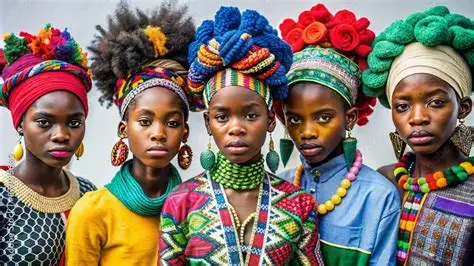
“South Africa’s beauty industry is undergoing a transformation led by Amapiano culture, blending bold makeup palettes, heritage-inspired hairstyles, and streetwear-infused aesthetics. This revolution is redefining beauty as cultural storytelling, positioning South Africa as a global trendsetter in fashion and identity.”
In 2026, South Africa’s fashion and beauty industries are converging in unprecedented ways, with Amapiano culture at the forefront. Once a music-driven subculture, Amapiano has evolved into a lifestyle movement influencing fashion, beauty, and identity. Today, makeup, hair, and style are no longer just about appearance—they are about cultural storytelling, heritage preservation, and global influence.
Colour Trends in Beauty
- Earthy neutrals like sand and stone dominate makeup bases, grounding beauty in South Africa’s landscapes.
- Jewel tones—emerald, sapphire, ruby—are vibrant choices for eye shadows and lipsticks, reflecting the richness of African fashion.
- Neon overlays transform traditional animal prints into futuristic beauty looks, with makeup artists experimenting with electric eyeliners and holographic highlighters.
These colour trends highlight how beauty is becoming a canvas for cultural and environmental expression.
Heritage Influence
Heritage patterns such as Ndebele motifs are being reinterpreted in hair braiding, nail art, and face painting. Beauty brands collaborate with local artisans to integrate traditional designs into modern products, ensuring authenticity while appealing to younger generations. This fusion reinforces cultural pride and positions South African beauty as a unique global export.
Streetwear Meets Beauty
Streetwear aesthetics—oversized silhouettes, bold graphics—are mirrored in beauty trends.
- Statement makeup: oversized winged eyeliner, exaggerated blush, bold lip colours.
- Hairstyles: sleek braids, colourful wigs, layered jewellery.
This synergy between fashion and beauty creates a seamless identity, particularly visible at Amapiano music events where coordinated outfits and makeup looks dominate.
Amapiano’s Cultural Backbone
At festivals and nightlife events, Amapiano culture integrates sneakers, layered jewellery, and statement sunglasses with glitter-infused eye shadows and metallic lip glosses. Beauty becomes part of the performance, blurring the line between fashion and music. This cultural backbone ensures that beauty is not just an accessory but a central element of identity.
Quiet Luxury in Beauty
While boldness dominates, quiet luxury is gaining traction among professionals and urban elites. Minimalist skincare routines, neutral-toned makeup, and understated hairstyles reflect a growing preference for simplicity and elegance. This duality—bold Amapiano aesthetics versus quiet luxury—illustrates the diversity of South African beauty.
Global Influence
South Africa’s beauty revolution is attracting international attention. Global brands are collaborating with local designers and makeup artists to tap into this cultural wave. The fusion of heritage and digital aesthetics positions South Africa as a leader in redefining beauty standards worldwide.
Risks & Challenges
- Commercialization risk: Over-commercialization could dilute cultural authenticity.
- Accessibility: High-end beauty products may exclude rural communities.
- Sustainability: Bold makeup trends often rely on synthetic materials, raising environmental concerns.
Addressing these challenges will be crucial to ensuring the longevity and inclusivity of the Amapiano beauty movement.
Conclusion
The Amapiano Beauty Revolution is more than a trend—it is a cultural shift. By merging heritage, fashion, and digital aesthetics, South Africa is redefining beauty as identity and storytelling. This movement not only empowers local communities but also positions South Africa as a global influencer in fashion and beauty.



