




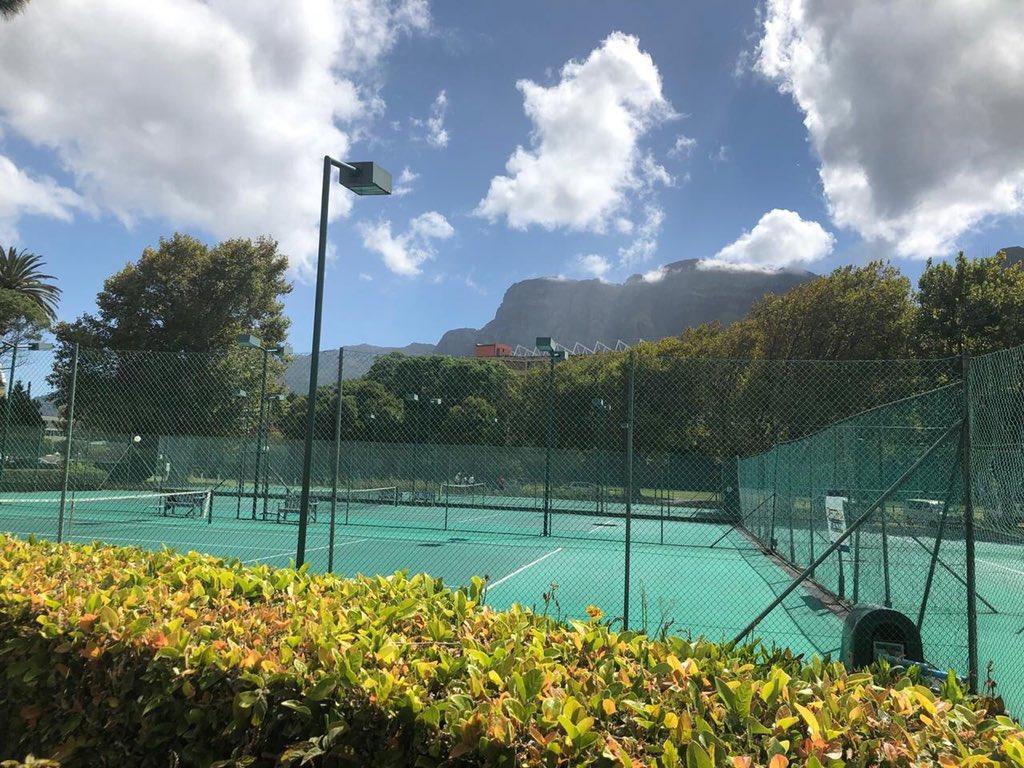
“The Cape Town Masters is scheduled to conclude on Sunday, 15 November 2026, following several days of competition at Kelvin Grove Tennis Club and Western Province Cricket Club’s tennis facilities. The tournament’s match schedules and draws show active competition across different age categories, making the event a notable development in South African competitive and masters tennis.”
Cape Town Masters Tennis Championship Brings South African Veterans Into Focus as Tournament Concludes
South African tennis takes centre stage in Cape Town this weekend as the 2026168 Cape Town Masters tournament reaches its scheduled conclusion, bringing together experienced competitors for several days of competitive action across multiple age categories. Hosted at Kelvin Grove Tennis Club and Western Province Cricket Club’s tennis facilities in Rondebosch, the Tennis South Africa-sanctioned event provides an important platform for veteran players to demonstrate their competitive ability, maintain their involvement in the sport and contribute to the country’s wider tennis community.
The championship, which began on Thursday, 12 November, is scheduled to finish on Sunday, 15 November. Its draws and match schedules illustrate the depth of participation in masters tennis, with players competing in singles and doubles categories and progressing through elimination rounds and group competitions.
Cape Town Hosts a Significant Masters Tennis Competition
The Cape Town Masters is among the important fixtures on the domestic tennis calendar for experienced players. Unlike professional tournaments that concentrate on international rankings, prize money and younger elite competitors, masters competitions create opportunities for athletes to continue participating in organised tennis throughout different stages of their lives.
The 2026 edition has brought competitors to two established tennis venues in Cape Town. Kelvin Grove Tennis Club, situated along Campground Road in Rondebosch, has hosted several matches, while Western Province Cricket Club’s tennis facilities have also accommodated scheduled fixtures.
The use of multiple courts and tournament categories allows organisers to accommodate a wider field of participants. It also creates an environment in which players can compete against opponents with comparable experience and age-group classifications.
The tournament’s official schedule confirms that it is sanctioned by Tennis South Africa, placing the competition within the country’s recognised tennis structure.
Competition Across Different Age Categories
One of the distinguishing features of masters tennis is the opportunity for athletes to compete in age-specific divisions. The Cape Town Masters programme includes categories such as Men’s Singles 45, Men’s Singles 65 and other age-group competitions, alongside doubles events.
These categories demonstrate that competitive tennis is not restricted to athletes in their twenties and early thirties. Experienced players can continue developing their technique, tactical awareness and match fitness while competing in organised championships.
The singles draws provide an opportunity to follow individual progression through tournament rounds. Seeded competitors receive positions in the draw based on tournament rankings or applicable seeding criteria, while other entrants must negotiate their matches to advance.
The doubles competitions add another dimension to the championship. Partners must coordinate movement, communicate effectively and develop strategies that take advantage of their combined strengths. For experienced players, doubles can offer an especially valuable opportunity to maintain competition while enjoying the social and collaborative aspects of tennis.
Men’s Singles Competition Produces Competitive Matchups
The Men’s Singles 65 draw has featured several established competitors progressing through the tournament. Archie Rudman and Adrian Schmidt emerged as the leading finalists in the division according to the published draw.
Rudman advanced after winning his semi-final against Daan Spengler 6-0, 6-0 on Saturday, 14 November. Schmidt reached the final after defeating Ray Stuart-Steer 6-0, 6-0.
The final between Rudman and Schmidt was scheduled for Sunday morning at Kelvin Grove Tennis Club. The tournament schedule lists the match on Court One at 08:00.
The Men’s Singles 45 division has also featured significant competition. Eckhard Cloete and JJ Gardiner progressed to the scheduled final after winning their respective semi-finals. Cloete defeated Iain Purchase 6-4, 6-4, while Gardiner overcame Benjamin Peacefull 6-3, 6-3.
The published schedule also identifies matches in additional divisions, demonstrating the breadth of the championship programme.
These fixtures provide a useful illustration of how masters tennis combines structured competition with continued participation. Players must maintain physical conditioning, manage match pressure and make tactical decisions against opponents who understand the game through years of experience.
Why Masters Tennis Matters for South Africa
The Cape Town Masters represents more than a weekend of competition. Masters tennis contributes to the long-term sustainability of tennis participation by encouraging players to remain active after their peak professional or competitive years.
This continued involvement can benefit clubs, coaching programmes and local tennis communities. Experienced players often possess substantial knowledge of match preparation, court positioning, sportsmanship and tournament discipline.
Their continued presence at clubs can also encourage younger players to view tennis as a lifelong activity rather than a sport limited to childhood development or elite professional competition.
Masters championships therefore help preserve tennis culture while creating opportunities for intergenerational interaction.
For South African tennis, these competitions also demonstrate the importance of maintaining a diverse domestic calendar. Professional events attract international attention, but club championships, junior tournaments, school competitions and masters events collectively support the sport’s broader development.
Club Tennis Remains an Important Foundation
The tournament’s presence at Kelvin Grove and Western Province Cricket Club highlights the contribution of established tennis clubs to South African sport.
Clubs provide the courts, facilities and community structures that make regular competition possible. They also create opportunities for recreational players to transition into organised tournaments and for experienced competitors to remain connected to the game.
Hosting a multi-day masters championship requires coordination between organisers, tournament officials, players and venue personnel. Match scheduling, court allocation, player communication and competition administration all contribute to the successful operation of an event.
The Cape Town Masters demonstrates how established clubs can support sanctioned competitions while maintaining their broader recreational and membership activities.
The Broader Development of South African Tennis
South African tennis development depends on participation at several levels. Junior development programmes introduce children to the sport, school and university competitions create progression opportunities, and professional tournaments expose players to higher levels of competition.
Masters tennis complements these structures by maintaining participation among experienced athletes.
A strong tennis ecosystem requires opportunities for players to enter the sport, develop their abilities, compete seriously and remain involved over time. Events such as the Cape Town Masters contribute to this continuity.
They also reinforce the importance of regional competition. Cape Town, Johannesburg, Pretoria, Durban and other centres each contribute to the national tennis landscape through clubs, tournaments and development activities.
The domestic calendar provides opportunities for players to travel, compete and establish connections with tennis communities outside their immediate regions.
Competition, Fitness and Sportsmanship
Masters tennis places particular emphasis on preparation, discipline and managing physical demands. Although players compete within age-group categories, the sport still requires agility, coordination, stamina and the ability to respond quickly to changing situations.
Players must adapt their tactics according to court conditions, opponents’ strengths and the rhythm of individual matches.
The competitive environment also reinforces the importance of sportsmanship. Respect for opponents, tournament officials and competition rules remains central to the experience.
For many participants, the satisfaction of competing and maintaining fitness is as important as winning a title. Nevertheless, championship finals provide meaningful sporting objectives and opportunities to test preparation against experienced opponents.
Following the Championship Results
The official tournament draws provide the most reliable route for following the Cape Town Masters. They contain player listings, match schedules, results and information about progression through individual divisions.
Readers should consult the tournament’s live schedule for confirmed final scores and championship winners. A scheduled final should not be treated as a completed result until the tournament organisers publish the outcome.
The Men’s Singles 65 final between Archie Rudman and Adrian Schmidt, together with the Men’s Singles 45 final between Eckhard Cloete and JJ Gardiner, represents two of the notable concluding fixtures listed in the competition programme.
The doubles events and other age-group categories further contribute to the championship’s overall sporting significance.
A Celebration of Continued Tennis Participation
As the Cape Town Masters reaches its final day, the event highlights the value of sustained participation, community tennis and competitive opportunities for experienced athletes.
Its significance extends beyond individual match results. The championship demonstrates how organised tennis can remain relevant throughout players’ lives, bringing together people who share an interest in competition, physical activity and the traditions of the sport.
The tournament also reinforces the importance of local clubs and sanctioned events in maintaining South Africa’s tennis infrastructure.
For players, the championship provides an opportunity to compete for honours and test their abilities. For clubs and organisers, it represents an opportunity to strengthen tennis participation and build connections within the community.
For South African tennis more broadly, the Cape Town Masters serves as a reminder that the sport’s future depends not only on emerging professional stars but also on the continued enthusiasm of players at every level.
With the tournament scheduled to conclude on Sunday, 15 November, attention turns to the final matches and the confirmation of champions across the participating divisions.
The Cape Town Masters 2026 therefore stands as a meaningful fixture in South Africa’s tennis calendar, celebrating competitive achievement, lifelong participation and the enduring appeal of the game.



