




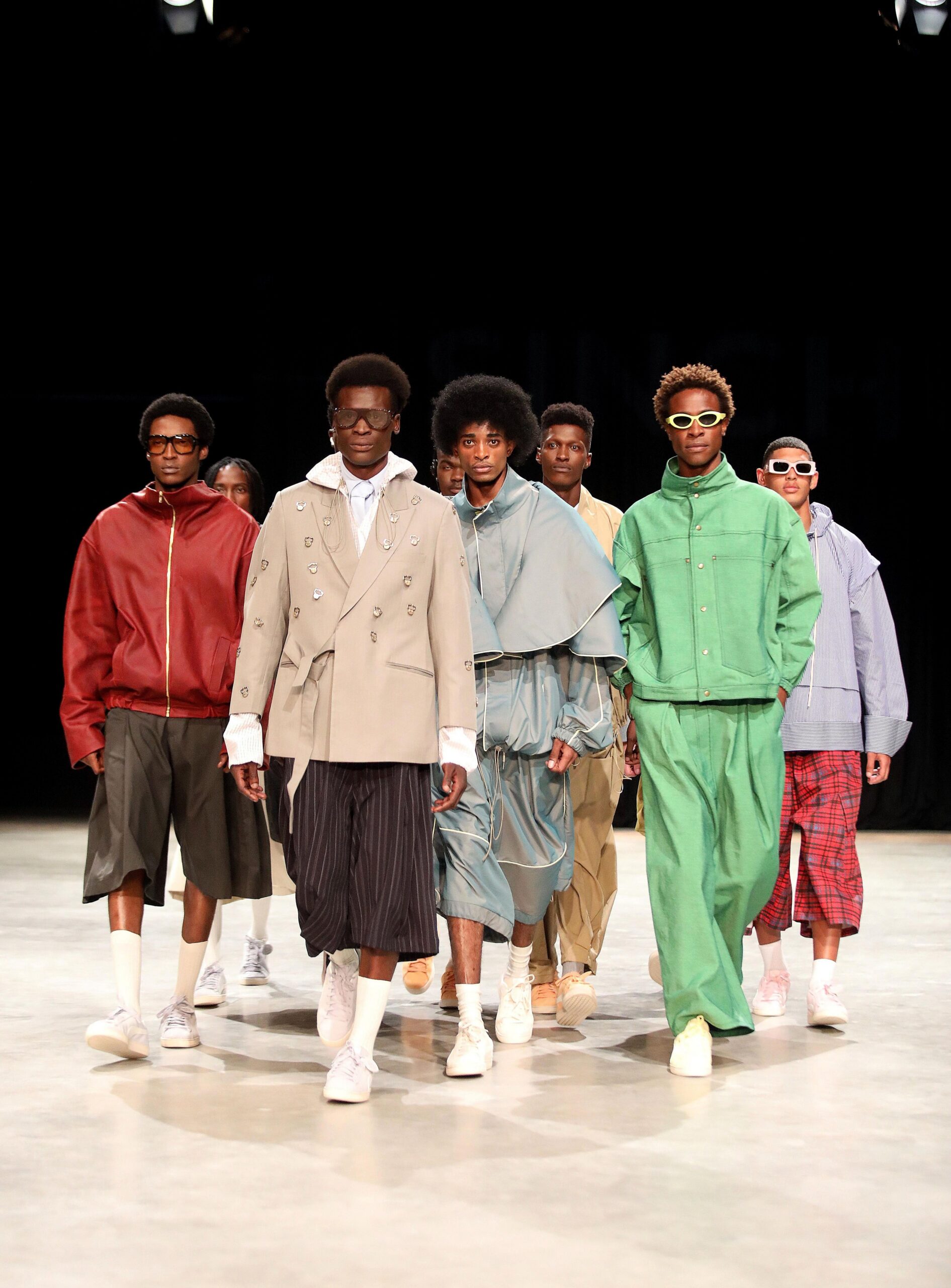
“South African designer Craig Jacobs is challenging fashion’s wasteful production culture through Fundudzi’s The New Earth, a collection that reconstructs pre-owned, surplus and discarded garments into contemporary designs. Presented at South African Fashion Week, the collection highlights upcycling, local craftsmanship and responsible consumption while encouraging consumers and designers to reconsider the value of clothing already in circulation.”
Craig Jacobs Gives Discarded Clothing a New Life as Fundudzi’s The New Earth Champions Sustainable Fashion in South Africa
South African fashion designer Craig Jacobs is challenging conventional ideas about clothing production, consumption and waste through Fundudzi’s latest collection, The New Earth. Presented at South African Fashion Week, the collection transforms pre-owned, surplus and discarded garments into contemporary designs, demonstrating how creativity and environmental responsibility can work together to reshape the future of fashion.
The collection arrives at a time when textile waste, excessive clothing production and the environmental consequences of fast fashion are increasingly important issues for South Africa’s fashion industry. Instead of relying exclusively on newly manufactured fabrics, Jacobs explores how existing garments can become valuable resources for fresh design ideas, encouraging consumers and designers to reconsider the meaning of newness.
The New Earth Reimagines Discarded Clothing
Fundudzi’s The New Earth, the transeasonal 2026/27 collection, explores the creative possibilities of garments that have already been worn, rejected or left unused. Presented at South African Fashion Week, the collection challenges the assumption that fashionable clothing must always begin with new materials.
Jacobs approaches discarded garments as opportunities for transformation rather than simply waste. Through dismantling, reconstruction and thoughtful design, existing clothing becomes the foundation for contemporary silhouettes that combine craftsmanship, individuality and environmental awareness.
The collection features tailoring, denim, knitwear and sheer layers, drawing inspiration from Southern Africa’s geological landscapes. Muted colours reminiscent of earth, stone and weathered terrain create a visual connection between fashion and the natural environment.
Rather than presenting recycled clothing as an aesthetic compromise, Jacobs demonstrates that reconstructed garments can offer distinctive designs, sophisticated silhouettes and practical wearability. This approach is particularly relevant for consumers seeking alternatives to disposable fashion trends.
The collection’s central message is that creativity does not necessarily require producing more materials. Sometimes, meaningful innovation begins by discovering new possibilities in resources already available.
Designing With Existing Materials
The development of The New Earth required Jacobs and his team to rethink conventional fashion production methods.
Traditional garment development usually begins with a design concept, followed by pattern creation, fabric selection and manufacturing. However, working with discarded clothing reverses this process because available garments determine what designers can create.
The team first examined materials according to colour, fabric composition and practical usefulness. Garments were then carefully dismantled and reconstructed to preserve usable sections while identifying opportunities for new silhouettes.
This process demanded considerable technical skill. Worn sections, damaged fabric and inconsistent garment sizes created challenges that required flexible design decisions.
Instead of imposing a predetermined concept on every material, Jacobs allowed the characteristics of existing garments to influence the final designs. This approach highlights the importance of craftsmanship, experimentation and adaptability in sustainable fashion.
The collection demonstrates how upcycling can provide designers with distinctive materials and creative possibilities while potentially reducing dependence on newly manufactured textiles.
South Africa’s Growing Textile Waste Challenge
The collection also draws attention to the broader problem of textile waste in South Africa.
According to ENSafrica’s June 2026 analysis, Mending South Africa’s Textile Recycling Gap, most collected post-consumer garments are downcycled into industrial rags, stuffing and insulation rather than recycled into new textile fibres.
The report identifies blended fabrics, insufficient sorting facilities and limited fibre-to-fibre recycling infrastructure as important obstacles to circular fashion development.
These challenges demonstrate why garment collection alone cannot solve textile waste. Clothing must also be sorted, repaired, reused or processed through appropriate recycling systems.
Fundudzi’s approach offers one alternative by transforming existing garments directly into new designs without necessarily requiring their conversion into fibres.
However, upcycling cannot independently absorb the enormous quantities of clothing entering waste streams. Its effectiveness depends on access to suitable materials, skilled workers, commercially viable production and consumer demand.
Consequently, the collection should be understood as an important creative contribution to a broader sustainability challenge rather than a complete solution.
Challenging Fast Fashion and Overconsumption
The New Earth questions a fashion culture increasingly influenced by constant production, rapid trend changes and the expectation that consumers should continually purchase new clothing.
Fast fashion encourages frequent wardrobe replacement, sometimes leaving garments discarded despite having considerable remaining useful life.
Jacobs challenges this cycle by demonstrating that clothing can be reconstructed, redesigned and worn differently instead of automatically being replaced.
The collection also highlights the environmental implications of clothing consumption. Producing garments requires materials, energy, water, manufacturing processes and transportation. When clothing is discarded prematurely, resources invested in its production may be lost.
Extending garment lifespans can help reduce unnecessary consumption, especially when consumers repair existing clothing, purchase pre-owned items and choose products designed for durability.
Nevertheless, sustainability requires more than simply buying recycled garments. Consumers must also consider whether purchases are necessary, whether clothing will be worn regularly and how products will be maintained.
The collection therefore encourages a deeper reconsideration of fashion habits, placing longevity and thoughtful consumption alongside creativity and personal expression.
Local Designers and Creative Collaboration
The development of The New Earth also demonstrates the importance of collaboration within South Africa’s creative industries.
Formative parts of the collection were produced at Ananse Studios Johannesburg, located in Rosebank’s Design District. The project received support through a donation from television producer and creative-industry patron Alan Ford.
Luxity, which specialises in pre-owned luxury fashion, served as the collection’s official accessory partner and supplied the footwear.
These partnerships connect sustainable fashion with local production facilities, specialist businesses and creative-sector investment.
Ananse Studios provides a production environment that supports designers, while partnerships can help fashion businesses access resources and expertise that might otherwise be difficult to obtain independently.
Local production also creates opportunities to sustain skills, support garment workers and strengthen South Africa’s fashion value chain.
However, lasting progress requires more than individual collaborations. Designers need reliable production capacity, access to suitable materials, affordable financing and customers willing to support responsible fashion businesses.
Building these relationships could help sustainable fashion move beyond runway presentations into everyday commercial production.
The Importance of Buying Local
Jacobs also encourages consumers to consider locally produced clothing before automatically choosing imported alternatives.
Supporting South African designers can contribute to employment, manufacturing activity and the development of local craftsmanship.
Local fashion businesses often provide opportunities for specialised skills, including tailoring, pattern-making, garment construction and textile innovation.
Moreover, locally developed collections can reflect South African cultural experiences, landscapes and creative identities that distinguish them from mass-produced international fashion.
Nevertheless, local production does not automatically guarantee sustainability. Environmental outcomes depend on material sourcing, manufacturing practices, durability and waste management.
The strongest approach combines responsible production with high-quality garments, transparent sourcing and thoughtful purchasing decisions.
Fundudzi’s collection illustrates how South African designers can incorporate environmental concerns into creative work while maintaining distinctive fashion identities.
Consumers Have an Important Role
Consumers can contribute to sustainable fashion by changing how they purchase, maintain and dispose of clothing.
One practical option is buying garments designed to last beyond a single season. Durable clothing can remain useful for years when properly maintained and repaired.
Second-hand shopping also offers opportunities to extend garment lifespans. Pre-owned clothing allows consumers to discover distinctive styles while keeping existing garments in circulation.
Repairing damaged clothing, altering garments for improved fit and donating wearable items can further reduce unnecessary disposal.
Consumers should also pay attention to sustainability claims made by fashion businesses. Clear information about materials, manufacturing and garment care helps distinguish meaningful environmental practices from promotional messaging.
However, responsibility should not fall exclusively on consumers. Fashion brands, retailers and manufacturers must also develop better production systems, improve product durability and provide practical opportunities for garment reuse.
Moving Beyond Fashion Week
Although The New Earth offers an inspiring example of sustainable design, the wider transformation of South Africa’s fashion industry requires structural changes.
Improved textile collection, sorting, repair and recycling infrastructure will be essential to managing clothing waste effectively.
ENSafrica’s 2026 analysis identifies extended producer responsibility as a potential mechanism for supporting textile recovery systems and encouraging manufacturers to consider the environmental consequences of their products.
Such approaches could create stronger incentives for durable garment design, improved fibre identification and responsible material selection.
Fashion businesses could also measure sustainability progress through garment reuse, material recovery, repair services and reductions in avoidable production waste.
These indicators would help demonstrate whether environmental initiatives produce meaningful results beyond publicity and runway visibility.
For emerging designers, investing in sustainable production methods could create opportunities to develop distinctive businesses while contributing to the country’s circular textile economy.
A New Direction for South African Fashion
Fundudzi’s The New Earth demonstrates how South African fashion can challenge conventional production methods while celebrating creativity, craftsmanship and local design.
Craig Jacobs’ collection encourages designers to reconsider discarded garments as valuable resources and consumers to rethink the relationship between clothing, identity and environmental responsibility.
Its message is particularly relevant as South Africa confronts textile waste, recycling limitations and the environmental consequences of excessive clothing consumption.
Although upcycling cannot solve these challenges alone, it offers an important contribution by demonstrating how existing materials can support fresh creative possibilities.
The future of sustainable fashion will depend on collaboration between designers, manufacturers, retailers, policymakers and consumers. Better infrastructure, responsible production, accessible repair services and informed purchasing decisions will all contribute to more circular clothing systems.
Ultimately, The New Earth presents an inspiring reminder that fashion’s future does not have to depend on producing ever more clothing.
By transforming what already exists, supporting local craftsmanship and embracing longer garment lifespans, South Africa’s fashion industry can begin building a more responsible and creative future.



