




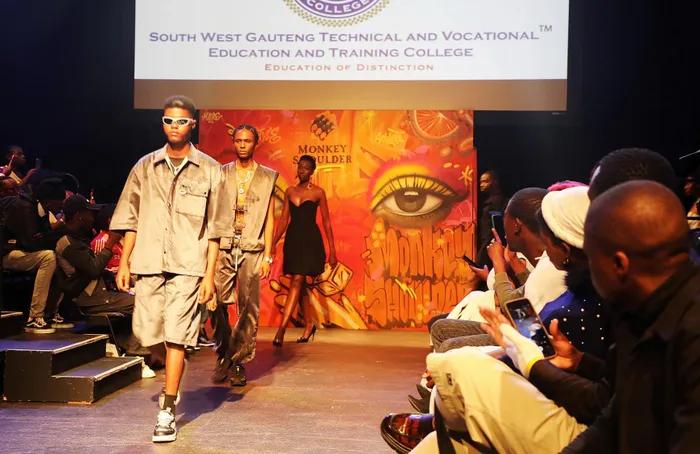
“Soweto Fashion Week will return from 5–7 November 2026 at Soweto Theatre in Jabulani, presenting emerging and established South African designers across a Spring/Summer showcase. The programme includes contemporary labels such as Dope Store and Mbobo Movement, highlighting the importance of street-inspired fashion, local creative identity and emerging design talent in South Africa’s fashion industry.”
Soweto Fashion Week Returns with Spring/Summer 2026 Showcase, Spotlighting South African Streetwear and Emerging Designers
Soweto Fashion Week Brings South African Streetwear into the Spotlight
South African fashion is preparing for another important showcase as Soweto Fashion Week returns to Soweto Theatre in Jabulani from 5 to 7 November 2026. The Spring/Summer 2026 edition promises to bring together emerging designers, established creative businesses, fashion students and contemporary clothing brands, highlighting the growing influence of homegrown fashion and street-inspired design.
The announcement arrives at a moment when South African fashion continues to explore new opportunities for cultural expression, commercial development and international recognition. Streetwear, in particular, has become an important part of contemporary fashion conversations, combining everyday clothing, identity, music, art and urban culture.
According to reporting published by IOL on 2 November, Soweto Fashion Week will feature a programme that combines emerging designers with established names, giving different generations of creatives an opportunity to present their work. The three-day showcase is expected to celebrate South African creativity through clothing, colour, movement and design storytelling.
The event’s significance extends beyond the runway. It also provides a platform for local designers to introduce their brands, establish relationships with audiences and explore opportunities within the broader fashion industry.
Emerging Designers Take Centre Stage
The opening evening of Soweto Fashion Week will focus on emerging designers, creating an opportunity for new creative voices to introduce their work to audiences.
Nine emerging designers are scheduled to participate in the opening programme, including RFL Studios, Zimisele and Shirley Joseph. Fashion students from the University of Johannesburg and Tshwane University of Technology will also participate, connecting education with professional fashion presentation.
For young designers, participating in fashion showcases can provide valuable exposure. A runway presentation allows designers to communicate their creative direction, demonstrate their technical abilities and introduce their collections to potential customers, collaborators and industry professionals.
Streetwear brands often benefit from this kind of exposure because their identities are closely connected to visual communication. Clothing designs, graphics, silhouettes and styling choices can communicate a brand’s message without requiring extensive explanation.
The inclusion of emerging designers also reflects the importance of supporting creative development in South Africa. Fashion education, independent production and accessible showcase opportunities can help new designers establish themselves within an increasingly competitive industry.
Mbobo Movement Advances to the Main Show
One of the notable developments highlighted in the Soweto Fashion Week announcement is the progression of Mbobo Movement to the main runway programme.
The brand, founded by Luthando Mbobo, is known for its patchwork and denim approach to contemporary clothing. Following its appearance in the Autumn/Winter 2026 emerging designers programme, Mbobo Movement is returning with a more prominent position during the Spring/Summer showcase.
The progression demonstrates how fashion platforms can provide opportunities for designers to develop their visibility over successive seasons.
Mbobo Movement has also expanded its presence beyond the Soweto Fashion Week runway. According to IOL, the brand received a nomination for Best Emerging Fashion Designer at the South Africa Fashion Awards and participated in SA Kids Fashion Week.
These developments illustrate the potential for independent South African fashion businesses to explore different audiences while maintaining their creative identities.
For the Spring/Summer 2026 presentation, Mbobo has indicated that audiences can expect bold colours and designs celebrating South African identity.
The collection is expected to communicate stories through clothing, bringing together contemporary fashion and cultural expression.
Streetwear and the Changing Meaning of Contemporary Fashion
Streetwear has developed into a significant international fashion category, but its influence remains strongly connected to local communities and cultural environments.
In South Africa, street-inspired clothing frequently draws from urban lifestyles, music, sports, youth culture, creative entrepreneurship and regional identity.
The appeal of streetwear lies partly in its versatility. Oversized T-shirts, denim, hoodies, sneakers, caps and statement accessories can be combined in different ways to create individual styles.
However, contemporary streetwear is not limited to casual clothing. Independent designers increasingly experiment with tailoring, patchwork, reconstructed materials, distinctive graphics and unconventional silhouettes.
These developments allow streetwear to move between everyday wardrobes, fashion presentations and creative collaborations.
Soweto Fashion Week offers an opportunity to observe how South African designers interpret these influences while developing original visual identities.
Rather than simply reproducing international trends, local designers can use fashion to communicate experiences connected to their communities, histories and creative ambitions.
Soweto as a Centre of Creative Expression
The location of Soweto Fashion Week is particularly important.
Soweto has a longstanding association with South African cultural expression, music, community identity and creative movements. Its influence extends across entertainment, performance, visual arts and contemporary fashion.
Hosting a fashion showcase in Jabulani reinforces the relationship between local communities and the creative industries.
For emerging designers, presenting collections in Soweto can also provide an opportunity to connect with audiences who may not regularly attend fashion events in established commercial districts.
This accessibility matters because fashion development depends on more than designers and retailers. It also requires customers, communities, photographers, stylists, models, event organisers and creative collaborators.
Fashion platforms that connect these participants can help strengthen local creative networks.
Dope Store and Contemporary Urban Style
The final evening of Soweto Fashion Week will include Dope Store among its featured labels.
The brand’s inclusion places contemporary urban fashion within a broader programme celebrating South African design.
Streetwear retailers and fashion labels often operate at the intersection of clothing, lifestyle and community. Their products can become part of everyday cultural expression, particularly when customers identify with a brand’s visual language or creative message.
For South African fashion businesses, maintaining a distinct identity can be an important competitive advantage.
Consumers increasingly encounter fashion through social media, digital marketplaces, music videos, fashion photography and influencer collaborations.
Consequently, brands need to communicate not only what they sell but also what their designs represent.
Fashion events can help translate those identities into physical experiences, allowing audiences to see collections presented through styling, movement and creative direction.
Fashion, Music and Cultural Collaboration
Soweto Fashion Week’s programme also reflects the relationship between fashion and other creative industries.
Television presenter Ayanda Nhlapo will present House of Ayanda, while Afro-soul and R&B singer Wanda Baloyi will introduce Wanda Wear by Wanda Baloyi.
Their participation illustrates how creative professionals increasingly explore fashion as an extension of their artistic identities.
Music and fashion have historically influenced each other through performance clothing, visual branding, merchandise, cultural movements and personal style.
In contemporary South Africa, these relationships provide opportunities for designers to reach audiences beyond traditional fashion channels.
Artists can introduce clothing brands to music audiences, while designers can contribute visual concepts to performances, campaigns and entertainment productions.
This interconnected creative economy creates opportunities for collaborations that extend beyond individual runway presentations.
South African Streetwear and Business Opportunities
The growth of fashion showcases creates potential commercial opportunities for independent designers, manufacturers, retailers and creative service providers.
Fashion businesses require production capabilities, fabric sourcing, branding, photography, digital marketing, distribution and customer engagement.
For emerging streetwear labels, these requirements can present challenges, particularly when production costs are high or access to reliable manufacturing is limited.
Fashion events can help designers establish relationships with potential collaborators and customers.
They can also encourage conversations about locally produced clothing, sustainable manufacturing and the development of South African fashion businesses.
However, runway exposure alone does not guarantee commercial success.
Designers still need to develop products that customers want to purchase, maintain appropriate quality standards and establish sustainable business models.
The long-term value of fashion showcases therefore depends partly on whether creative exposure translates into practical opportunities for production, distribution and sales.
Local Identity and International Recognition
South African designers increasingly have opportunities to present their work within international fashion conversations.
Local collections can attract attention through distinctive cultural references, original construction techniques and contemporary interpretations of African identity.
Streetwear provides a particularly accessible platform for this expression because it often combines everyday clothing with personal and community narratives.
Nevertheless, international recognition should not replace the importance of developing local markets.
A sustainable fashion industry requires customers who support local brands, manufacturers who can produce quality garments and businesses capable of maintaining consistent operations.
Soweto Fashion Week contributes to this wider development by creating a platform where South African fashion can be presented, discussed and experienced.
What Audiences Can Expect
The Spring/Summer 2026 edition will take place over three days at Soweto Theatre.
The opening programme will introduce emerging designers, followed by a main show featuring Mbobo Movement and other participating brands.
The final evening will bring together additional fashion labels and creative personalities, including Dope Store, House of Ayanda and Wanda Wear by Wanda Baloyi.
According to IOL, tickets are available through Webtickets, with prices starting at R150.
The showcase provides an opportunity for fashion enthusiasts, students, industry professionals and members of the public to experience contemporary South African design.
A New Chapter for South African Streetwear
Soweto Fashion Week’s return highlights the continuing importance of local fashion platforms in supporting creative development.
The participation of emerging designers, established brands and fashion students demonstrates the breadth of talent contributing to South Africa’s fashion landscape.
For streetwear, the showcase offers an opportunity to explore how contemporary clothing can communicate identity, creativity and cultural experience.
As the Spring/Summer 2026 programme approaches, attention will turn towards the collections themselves and the stories designers choose to present.
The event also raises broader questions about the future of South African fashion: how independent brands can grow, how local manufacturing can be strengthened and how creative communities can gain greater access to commercial opportunities.
Ultimately, Soweto Fashion Week represents more than a series of runway presentations. It provides a platform for South African designers to demonstrate their creativity, engage with audiences and contribute to a fashion industry increasingly shaped by local perspectives.
The Spring/Summer showcase is therefore an important moment for emerging streetwear businesses and contemporary fashion in South Africa, bringing together clothing, culture and creative ambition in one of the country’s most recognisable cultural centres.



