




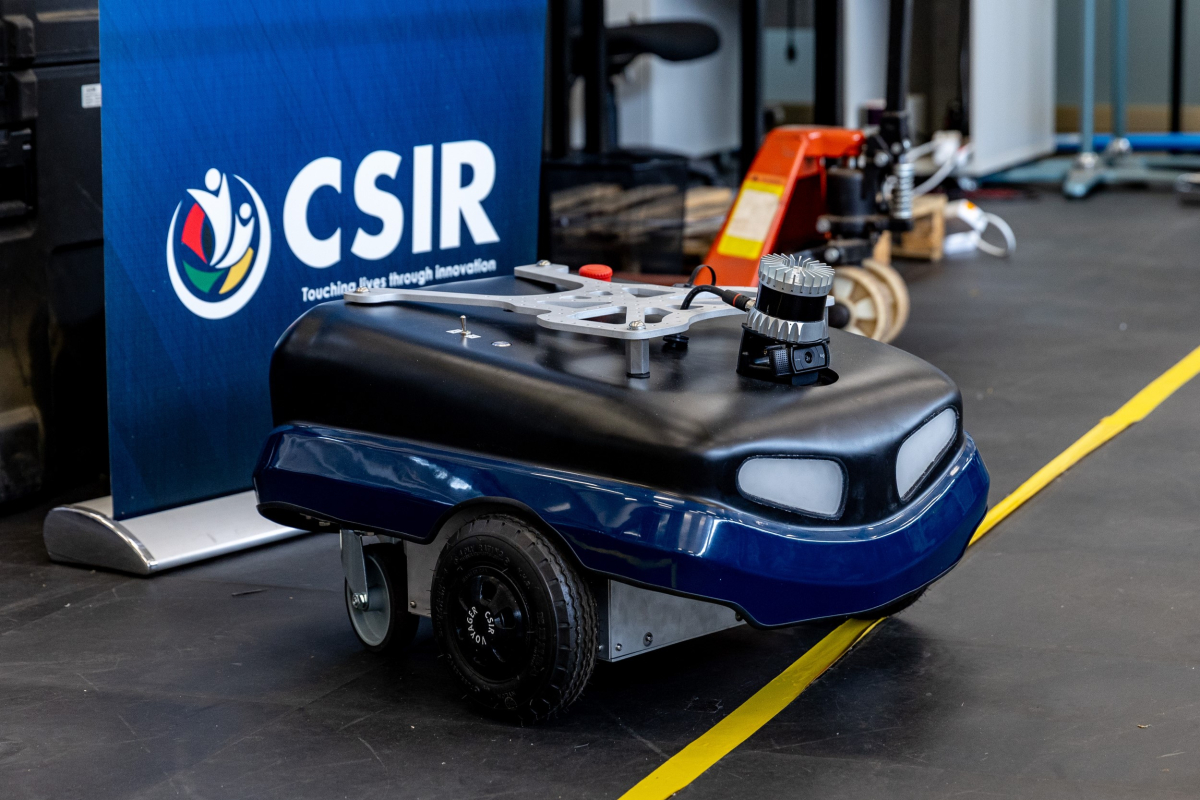
“At the Manufacturing Indaba 2026 in Johannesburg, the CSIR introduced cutting-edge robotics systems designed for precision manufacturing, automated assembly, and industrial inspection. These innovations are expected to transform South Africa’s industrial base, boosting efficiency and positioning the nation as a global leader in innovation-driven manufacturing.”
South Africa’s manufacturing industry is undergoing a transformative shift, driven by the integration of robotics and advanced automation technologies. At the Manufacturing Indaba 2026, held at the Sandton Convention Centre in Johannesburg, the Council for Scientific and Industrial Research (CSIR) unveiled a suite of robotics innovations that promise to revolutionize industrial processes. This showcase was not merely a technological exhibition but a strategic intervention aimed at revitalizing South Africa’s industrial base, fostering resilience, and positioning the nation as a global leader in innovation-driven manufacturing.
Robotics at the Forefront
Among the technologies presented, robotics stood out as the most transformative. CSIR researchers demonstrated systems capable of:
- Precision manufacturing – ensuring accuracy in production lines.
- Automated assembly – reducing production time and minimizing human error.
- Industrial inspection – guaranteeing consistent product standards.
These systems are already being integrated into production lines, warehouses, and healthcare applications, signaling a broad impact across multiple sectors.
Economic and Industrial Impact
The introduction of robotics into South Africa’s manufacturing sector is expected to yield significant economic benefits. By reducing reliance on imported machinery and components, the country can strengthen its domestic production capacity. This shift not only enhances industrial resilience but also creates opportunities for local suppliers, engineers, and technicians to participate in a growing robotics ecosystem.
Moreover, automation promises to improve productivity, reduce costs, and enhance competitiveness in global markets. South Africa’s manufacturing exports could see a surge as industries adopt robotics-driven processes that meet international standards of quality and efficiency.
Workforce Transformation
While automation often raises concerns about job displacement, CSIR emphasized that robotics will complement rather than replace human labor. The focus is on upskilling workers to operate, maintain, and innovate within robotics-driven environments. Training programs are being developed in collaboration with universities and technical colleges to prepare the next generation of engineers and technicians.
This workforce transformation is critical for ensuring that South Africa’s labor market adapts to the demands of Industry 4.0. By equipping workers with advanced skills, the country can mitigate unemployment risks while fostering a culture of innovation.
Strategic National Goals
The robotics showcase aligns with South Africa’s broader national goals of industrialization, economic diversification, and technological leadership. By investing in robotics, the government and CSIR aim to:
- Strengthen manufacturing resilience against global supply chain disruptions.
- Position South Africa as a hub for innovation-driven industries.
- Enhance healthcare and logistics through robotics applications.
- Support sustainable development by reducing waste and improving efficiency.
Global Context
Globally, robotics has become a cornerstone of industrial transformation. Countries like Germany, Japan, and China have long invested in automation to maintain their competitive edge. South Africa’s entry into this space signals its determination to join the ranks of nations leveraging robotics for economic growth.
By showcasing robotics at the Manufacturing Indaba, CSIR sent a clear message: South Africa is ready to embrace the future of manufacturing and compete on the global stage.
Challenges Ahead
Despite the optimism, challenges remain. The high cost of robotics systems, limited infrastructure, and the need for skilled labor could slow adoption. Additionally, small and medium-sized enterprises (SMEs) may struggle to integrate robotics due to financial constraints.
To address these challenges, CSIR is exploring partnerships with private investors, government agencies, and international collaborators. Subsidies, training programs, and shared robotics facilities are among the strategies being considered to ensure widespread adoption.
Conclusion
The unveiling of robotics systems at the Manufacturing Indaba 2026 marks a pivotal moment for South Africa’s industrial future. By embracing automation and innovation, the country is poised to strengthen its manufacturing base, create new economic opportunities, and position itself as a global leader in robotics-driven industries.
The journey ahead will require collaboration, investment, and resilience. Yet, with CSIR at the forefront, South Africa’s manufacturing industry is entering a new era—one defined by precision, efficiency, and innovation.



