




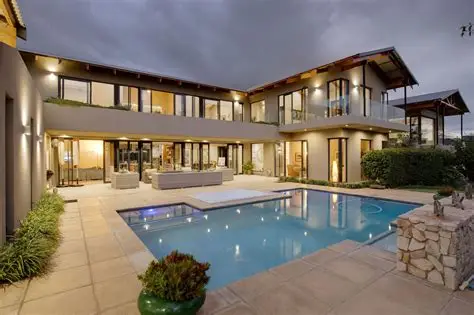
“South Africa’s property development sector in July 2026 is experiencing a surge in first-time buyer activity, supported by 100% bond approvals and reduced deposit requirements. At the same time, semigration to coastal regions like Cape Town, Durbanville, and the Garden Route is fueling land and housing demand, reshaping development priorities.”
The South African real estate development sector has entered July 2026 with a unique blend of challenges and opportunities. With the South African Reserve Bank (SARB) holding the repo rate steady at 7.00% and the prime lending rate at 10.50%, developers, investors, and buyers are navigating a high-rate plateau that has cooled price growth but opened new avenues for affordable housing and land development.
Interest Rate Environment
- Prime Lending Rate: 10.50%
- Repo Rate: 7.00%
- Impact: A household with a R1.5 million mortgage pays ~R3,000 more monthly compared to early 2023.
This environment has slowed speculative growth but created opportunities for developers to focus on sustainable, long-term projects rather than short-term gains.
Rise of First-Time Buyers
For the first time in over a decade, first-time buyers (FTBs) constitute 51.6% of all home loan applications. Supported by 100% bond approvals and declining deposit requirements, this demographic is reshaping demand. Developers are responding by prioritizing affordable housing projects below R1.2 million, particularly in Gauteng and Western Cape hubs.
Affordable Housing Hotspots
- Gauteng: Midrand, Centurion
- Western Cape: Bellville, Durbanville
- Average FTB Purchase Price: R1.305 million
- Average Deposit: R118,000 (down 11% YoY)
These areas are seeing the highest volume of bond applications, driven by proximity to economic hubs and affordability.
Semigration and Coastal Development
Semigration continues to redefine South Africa’s property landscape. Families and professionals are relocating from congested metros to coastal towns, seeking lifestyle improvements and better municipal services.
- Western Cape Coastal Hotspots: Bloubergstrand, Durbanville (6.5% growth)
- Garden Route: George, Knysna (5.8% growth)
- Drivers: Lifestyle appeal, municipal efficiency, rental opportunities
Developers are increasingly focusing on mixed-use projects in these regions, combining residential, retail, and leisure spaces to meet evolving demand.
Land Market Momentum
Land parcels in high-demand regions are appreciating faster than the national average of 3.2% YoY growth. Investors are particularly drawn to coastal and semigration hotspots, where land transactions are booming. Gauteng, while slower at 2.1% growth, still offers resilience in nodes with strong infrastructure.
Financing and Banking Sector
Major banks — Absa, FNB, Nedbank, Standard Bank, Investec, and SA Home Loans — are offering competitive mortgage products aligned with SARB’s stable rates. Buyers are encouraged to negotiate aggressively, as favorable financing terms can significantly impact affordability.
Risks and Challenges
- Affordability: High borrowing costs limit disposable income.
- Inflation: Persistent pressures remain within the upper target band.
- Luxury Market Sensitivity: Properties above R8 million remain vulnerable to economic sentiment.
Conclusion
South Africa’s real estate development sector in July 2026 is defined by first-time buyer dominance, semigration-driven coastal demand, and a stable yet high interest rate environment. Developers who pivot toward affordable housing and mixed-use coastal projects are best positioned to thrive in this evolving landscape.



